
Vandaag of morgen in huis

Kwaliteit gegarandeerd

Welkomstaanbiedingen ontgrendelen: GRATIS bezorging | Tot 80% korting | Gratis 30 dagen JoyPlus-proefperiode
Download de app
Buying trainers seems straightforward, until after a few sessions you realise the sole doesn’t suit the surface, the shoe is too narrow, or the grip is disappointing. Marketing terms like “responsive”, “light” and “professional” don’t tell you much on their own. The right choice depends mainly on your sport, the surface, and how the shoe fits your foot.
This applies to football boots, futsal shoes, basketball trainers, lacrosse shoes and everyday trainers. With the checklist below, you can reduce the chances of a wrong purchase.
Using an indoor sole on natural grass can affect grip and durability. Conversely, studs on a sports floor can cause scratches or provide too little contact with the floor.
So look out for the abbreviation:
A sole with “good grip” isn’t automatically suitable for every sport. Always check the stated surface type.
Lightweight trainers can feel comfortable for quick movements, but a low weight tells you nothing about stability. For basketball, lacrosse and futsal, support around the midfoot, a firm heel and a well-fastening lace system are important.
According to the product information for various models, support is provided by features such as a reinforced heel, a padded collar or a supportive midfoot construction. These are verifiable product features. The actual fit remains a personal matter.
A size 40.5 trainer can feel different depending on the brand or model. Sizes 44, 45 and half sizes also deserve extra attention. Alongside the EU size, look at:
A shoe should fit snugly, but your toes shouldn’t constantly touch the front. For models designed for quick changes of direction, a loose heel is also undesirable.
For indoor use, a non-marking rubber sole is practical. According to the product descriptions, this is designed to provide grip without leaving visible marks on suitable sports floors. Joma Top Flex models and the Joma Invicto 2432 IN fall into this category.
For artificial grass, an AG or TF sole is more important than a general claim about grip. The Joma Super Copa 2402 AG is, according to the product information, intended for artificial grass. The Joma FS Reactive 2402 TF uses a multi-stud rubber sole for turf pitches.
For firm natural grass pitches, FG studs are common. The Joma Propulsion Cup 2402 FG and Joma Aguila Cup 2518 FG are, according to their product specifications, designed for firm ground. Don’t just use such shoes on an indoor court.
Mesh can feel more breathable, while synthetic material is easy to maintain and can hold its shape. Leather or synthetic leather can offer a different feel for the ball, but often requires more care when cleaning and drying.
Also check the lining and any reinforcement at the toe. For futsal and indoor football, a reinforced toe can be practical due to frequent contact with the ball and the floor.
An EVA, foam or other cushioning layer can affect how a shoe feels. According to brands’ own product information, such cushioning is linked to comfort and shock absorption. That’s no guarantee of a personal experience.
For basketball, lateral stability and a rubber outsole with a multidirectional tread pattern are also relevant. The Nike Hyperset 2, according to the product information, has a supportive midfoot construction and a rubber sole with a multidirectional tread pattern. Li-Ning basketball trainers from the Way of Wade 12 series mention, among other things, a SUPER BOOM midsole, carbon fibre plate and GCU rubber sole. Always check the current size and material details on the product page before buying.
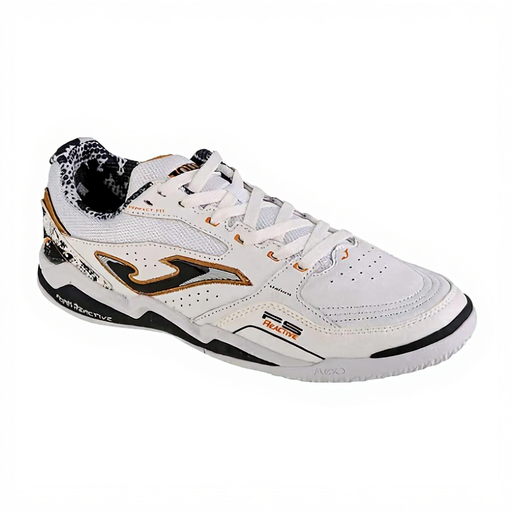
Why this fits the profile: A practical choice for anyone starting futsal or indoor football and looking for a lightweight indoor shoe in size 40.5.
The product information states a rubber anti-slip sole and indoor use. This makes the intended application clearer than with a general trainer.
Mesh and synthetic upper, EVA midsole and lace closure; size 40.5 is specified.
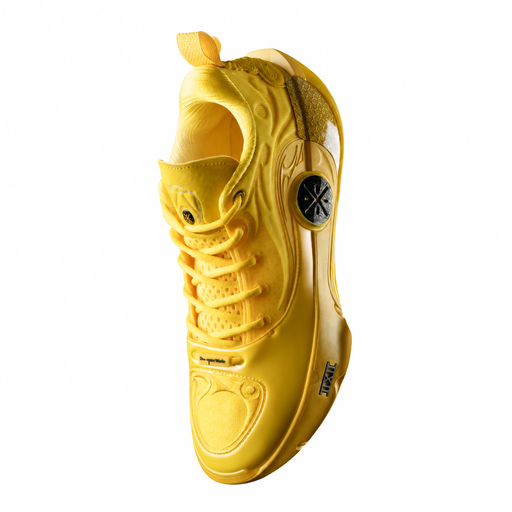
Why this fits the profile: Aimed at basketball players looking for a model with detailed construction specifications and size 45.
The product information explicitly mentions the sole, midsole, carbon fibre plate and fit advice. You can compare these points in advance rather than choosing based on appearance alone.
Rubber GCU sole, textile/TPU upper and size 45; according to the product information, suitable for indoor and outdoor use.
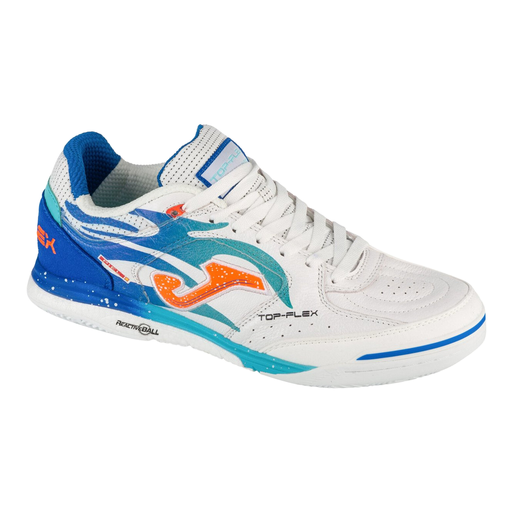
Why this fits the profile: For futsal players and indoor footballers who train frequently and want an indoor model with toe reinforcement.
According to the product information, the sole is non-marking and intended for indoor surfaces. The reinforced toe also offers a specific protective feature.
Rebound midsole according to Joma, EVA insole, synthetic/textile upper and rubber indoor sole; size 43.
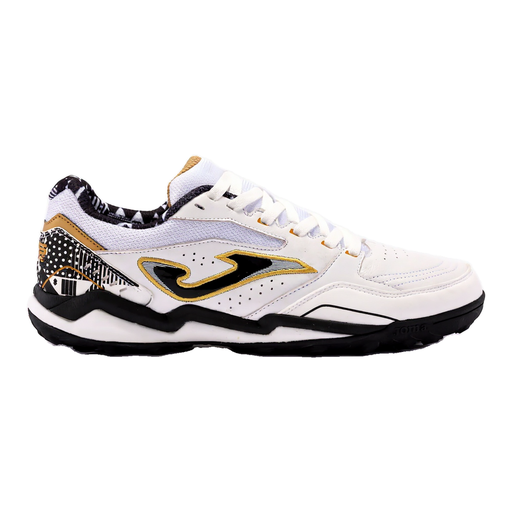
Why this fits the profile: For players who mainly train or play matches on artificial grass and want a turf sole in a half size.
The TF designation makes the intended use clear. This helps you avoid choosing an FG model for natural grass on an artificial grass pitch.
Multi-stud rubber sole, leather upper with textile inserts and size 44.5 according to the product details.
We’ve put together a full, up-to-date list of products that fully meet these strict selection criteria and comply with current European safety regulations.
The lifespan depends on frequency of use, surface and maintenance. Remove mud and dust after use with a soft brush or damp cloth. Let shoes air dry and avoid prolonged direct heat. Do not machine wash trainers unless the manufacturer explicitly states this.
Don’t use indoor shoes outdoors and don’t store football boots wet for long periods in a sports bag. Regularly check the sole, seams, laces and heel. Once the tread becomes visibly smooth or the shoe loses its shape, it may be wise to consider a new pair.
Choose a model with an IN designation and a non-marking rubber sole. Joma Top Flex, Joma Invicto and Joma FS Reactive IN are examples of indoor models. Also check the fit and available size.
That’s not the recommended combination. AG and TF soles are designed for artificial grass, while FG models are intended for firm natural grass pitches. Always look at the manufacturer’s recommendation and the pitch conditions.
Start with your normal EU size, but then check the size chart, insole length and fit of the specific model. Try trainers on with sports socks and make sure your toes don’t touch the front. If you’re unsure between two sizes, return policies and a half size can help you decide.
