
Vandaag of morgen in huis

Kwaliteit gegarandeerd

Welkomstaanbiedingen ontgrendelen: GRATIS bezorging | Tot 80% korting | Gratis 30 dagen JoyPlus-proefperiode
Download de app
The toothpaste aisle can be overwhelming. One package promises whiter teeth in a week, while another claims "complete protection." But how do you know which tube will deliver on its promises and which you should leave on the shelf? Many choices are influenced by clever marketing, which can lead to disappointment or a product that isn't right for your dental needs.
Before you make a choice, it's helpful to recognise a few common pitfalls:
To avoid a bad purchase, you can look for a few objective specifications on the packaging. These provide a clearer picture than the marketing claims on the front.
Fluoride is a mineral that strengthens tooth enamel and helps protect it against acid attacks, which cause cavities (caries). The amount of fluoride is expressed in ppm (parts per million).
Are you consciously choosing a fluoride-free toothpaste? Always check the packaging to ensure the product meets your requirements.
Depending on your oral health, you can look for specific active ingredients that have a targeted effect.
To help you with your choice, we have matched several popular products to specific user profiles. These recommendations are based on the manufacturer's product specifications.
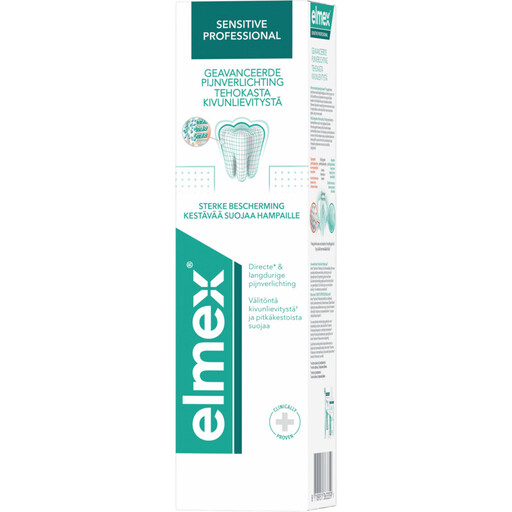
Why it's a match: This product is specifically designed for people who experience sharp pains when eating or drinking hot or cold products. It directly targets the cause of the sensitivity.
Instead of a vague "all-in-one" promise, this toothpaste tackles one specific problem. It's not a compromise, but a targeted solution for sensitivity.
Contains arginine (8%), an active ingredient that, according to the manufacturer, helps provide immediate pain relief. It also contains 1450 ppm fluoride for protection against cavities.
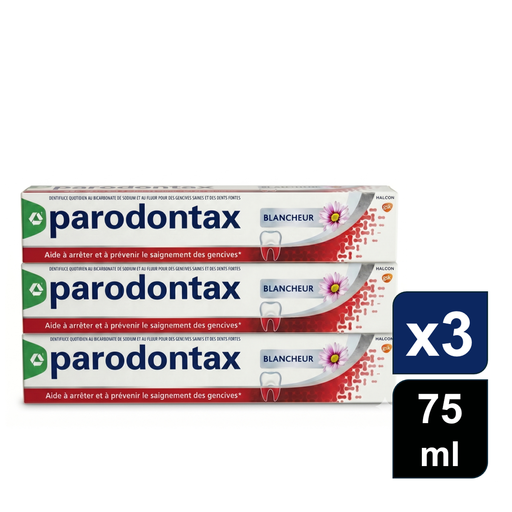
Why it's a match: For those who want whiter teeth but also notice their gums need extra attention. This product combines both needs in one formula.
The product is honest about its whitening effect: it "helps restore the natural whiteness of teeth" by removing stains. This prevents the disappointment of the "instantly whiter" myth.
Is specially formulated to help stop and prevent bleeding gums. The fluoride also helps keep teeth strong.
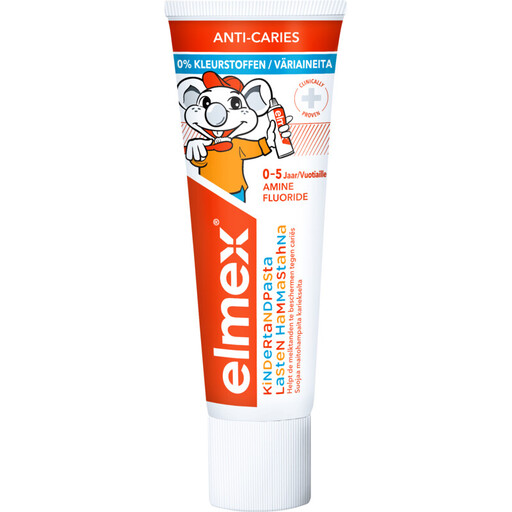
Why it's a match: This children's toothpaste is designed for the specific needs of primary teeth. The formula and flavour are adapted for young children.
The product has an adjusted fluoride content suitable for toddlers. This avoids the risk of excessive fluoride intake, which can happen when using an adult toothpaste.
Contains 500 ppm fluoride, the recommended amount for children up to 5 years old. The mild flavour makes brushing more pleasant for little ones.
We have compiled a complete and up-to-date overview of products that meet these selection criteria and comply with current regulations.
For adults and children from 5 years old, a pea-sized amount of toothpaste is sufficient. For toddlers aged 2 to 5, a rice-grain-sized amount is recommended. Using more toothpaste does not result in cleaner teeth and only increases the risk of swallowing it.
A whitening toothpaste contains mild abrasives or polishing agents that remove surface stains from the tooth's surface. It restores the natural colour of your teeth. A whitening treatment (at the dentist) uses active ingredients like hydrogen peroxide to actually make the colour of your teeth lighter than their natural shade. The results of a whitening treatment are therefore much more dramatic.
For most people, fluoride is an important part of daily oral care to help prevent cavities. However, some people consciously choose to avoid fluoride. A fluoride-free toothpaste can still clean teeth by removing plaque, but it does not offer the extra protection against enamel erosion and cavities that fluoride provides. If in doubt, consult your dentist or dental hygienist to determine the right choice for your teeth.
