
Vandaag of morgen in huis

Kwaliteit gegarandeerd

Welkomstaanbiedingen ontgrendelen: GRATIS bezorging | Tot 80% korting | Gratis 30 dagen JoyPlus-proefperiode
Download de app
Choosing the right toothpaste can sometimes feel like an exam. The shelves are packed with tubes promising whiter teeth, fresher breath, and total protection. But which claims are genuine, and which are just clever marketing? As a Product Recommendation Officer at Joybuy, I'm here to help you cut through the noise and make a choice that suits your dental needs and your budget. We'll dive into the most common pitfalls and the specifications that truly matter.
Before you put a tube in your basket, it's wise to be aware of a few common misconceptions that can lead to unnecessary spending.
Don't be distracted by flashy packaging. These three specifications tell you what you really need to know about a toothpaste.
Fluoride is the cornerstone of effective cavity protection. The concentration is expressed in PPM (parts per million).
Not all teeth are the same. Check the ingredients list for solutions tailored to your specific situation:
This might seem trivial, but it's essential for consistent use. If you don't like the taste or feel of a toothpaste, you're less likely to stick to brushing twice a day. From classic mint to fruity flavours for kids, the choice is personal.
To help you make your choice, we've highlighted a few popular options that cater to different needs and preferences.
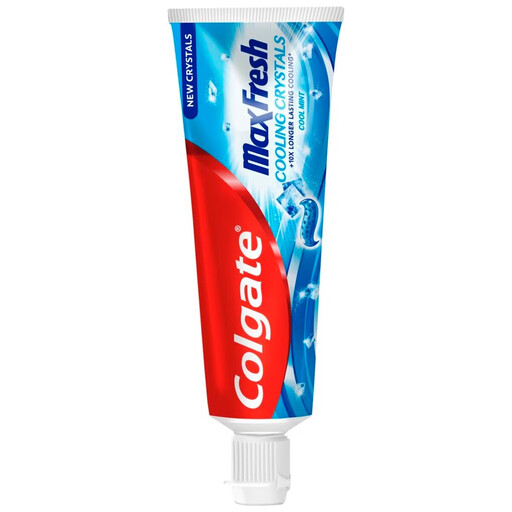
Why This Fits Their Persona: This user is looking for a reliable, no-nonsense toothpaste for daily cleaning and protection, with a focus on a long-lasting fresh feeling.
This product doesn't make exaggerated whitening promises. It focuses on its core functions: cleaning, protecting against cavities with 1450 ppm fluoride, and providing intense freshness.
The formula contains 'Cooling Crystals' that dissolve during brushing for a noticeable fresh sensation. It offers solid protection against caries.
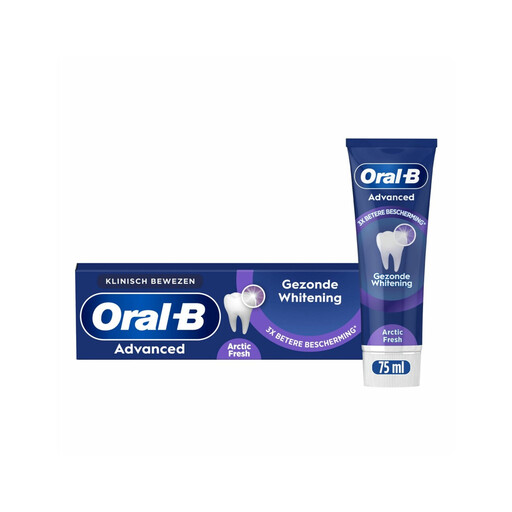
Why This Fits Their Persona: Someone looking for a whiter smile by removing stains, while also wanting to protect and strengthen their tooth enamel.
This toothpaste avoids the pitfall of unrealistic bleaching claims. It focuses on removing *surface* stains, which is an achievable and honest goal for a daily toothpaste.
According to Oral-B, the formula contains a unique stannous fluoride complex that not only cleans but also helps protect against enamel erosion. It combines whitening with active care.
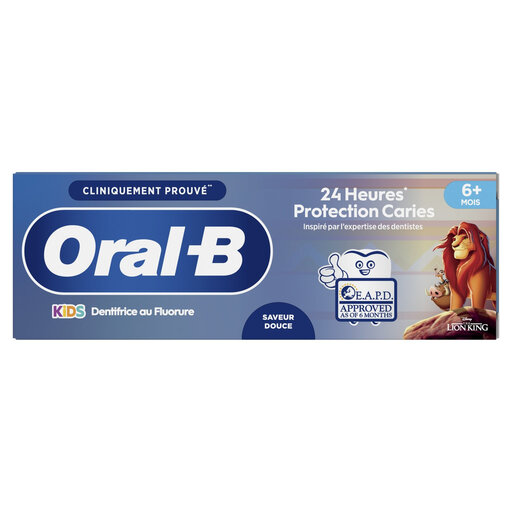
Why This Fits Their Persona: Parents seeking an effective, safe, and kid-friendly toothpaste that makes brushing more fun while providing serious protection against cavities.
This product bypasses the "natural is better" trap by using a scientifically-backed amount of fluoride (1000 ppm), specifically tailored for children, for proven protection.
The mild, fruity flavour and fun Disney theme motivate children to brush. The formula is gentle and specially designed for the teeth of children aged 6 and up.
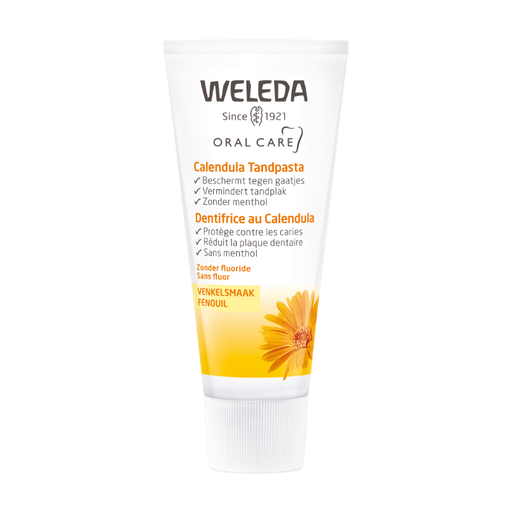
Why This Fits Their Persona: For users who consciously choose a toothpaste without fluoride and synthetic foaming agents, for instance, due to homeopathic treatment or personal conviction.
This product is completely transparent about its lack of fluoride. It presents itself as a conscious, natural choice and doesn't create false expectations about cavity protection.
Contains calendula extract, which the manufacturer claims promotes a healthy mouth. The formula is free from synthetic additives and has a mild, purifying effect.
A good toothpaste is the foundation of your daily oral care. Whether you're looking for a special offer on toothpaste or a specific formula, there's always a suitable choice.
For adults, a pea-sized amount is sufficient. For children under 6, an even smaller amount (like a grain of rice) is recommended to minimise swallowing. More toothpaste doesn't mean cleaner teeth; brushing technique is far more important.
Toothpaste without fluoride cleans teeth by removing plaque and food debris. However, fluoride is the key active ingredient proven effective in strengthening tooth enamel and helping to prevent cavities. The choice for a fluoride-free toothpaste is personal and is best made in consultation with a dentist.
Regardless of the type of toothpaste you use, it is recommended to replace your toothbrush every three months, or sooner if the bristles are visibly frayed. A worn-out brush cleans less effectively and can harbour more bacteria.
