
Vandaag of morgen in huis

Kwaliteit gegarandeerd

Welkomstaanbiedingen ontgrendelen: GRATIS bezorging | Tot 80% korting | Gratis 30 dagen JoyPlus-proefperiode
Download de app
Choosing a shampoo seems simple, until you have to decide whether you want to care for dry hair, oily hair, damaged lengths or a sensitive scalp. Marketing copy can make things more complicated: terms such as “repairing”, “natural” and “hydrating” only mean something when you consider them alongside the ingredients, size and intended use.
With this practical guide, you can focus on what is verifiable and avoid making a purchase you regret.
A repair shampoo can make hair feel smoother, but shampoo cannot permanently change damaged hair fibres. According to brands’ own information, ingredients such as oils, glycerine, keratin and proteins may help hair feel softer and easier to manage. The final effect varies depending on your hair type and how you use the product.
So do not just look for “repair” on the front of the bottle. Also check whether the formula suits your particular hair concern. For shampoo for damaged hair, smoothing ingredients and a matching conditioner are often more relevant than a striking promise on the label.
Aloe vera, argan oil and coconut oil sound appealing, but natural fragrances and plant extracts may also be less suitable for some users. If you have a sensitive or dry scalp, check the full ingredients list. Pay particular attention to perfume, alcohol and known fragrance allergens.
An aloe vera shampoo or argan oil shampoo may feel pleasant on dry or lacklustre hair, but your own experience remains the most important guide. Stop using the product if irritation occurs and always follow the instructions on the packaging.
Dry shampoo absorbs oil at the roots and can make hair look fresher and fuller between washes. However, it is applied to dry hair and then brushed out; it does not wash away sweat, styling residue and dirt in the same way as regular shampoo.
Use dry shampoo as a temporary refresher. When using a spray, also pay extra attention to ventilation, heat and the safety warnings on the aerosol packaging.
The term hair-loss shampoo calls for extra caution. According to the manufacturer, a cosmetic product may be intended to care for the hair or scalp, but that is not the same as a proven treatment. If hair loss persists or starts suddenly, seeking medical advice is more appropriate.
Within the European Union, cosmetic ingredients must be listed on the packaging using standardised INCI names. This makes comparisons easier. Pay particular attention to:
A product containing lots of plant-based ingredients is not automatically gentler. Look at the complete formulation and consider your own experience after several washes.
A 200 ml bottle may appear cheaper, but a 400 or 440 ml pack may offer better value per millilitre. A shampoo multipack makes most sense if you use the same product regularly and have enough storage space.
When buying larger quantities, also check the shelf life and the period after opening. Product information may sometimes state “12M”, for example; this refers to the recommended period of use after opening. Also check the current packaging, as labels and instructions may change.
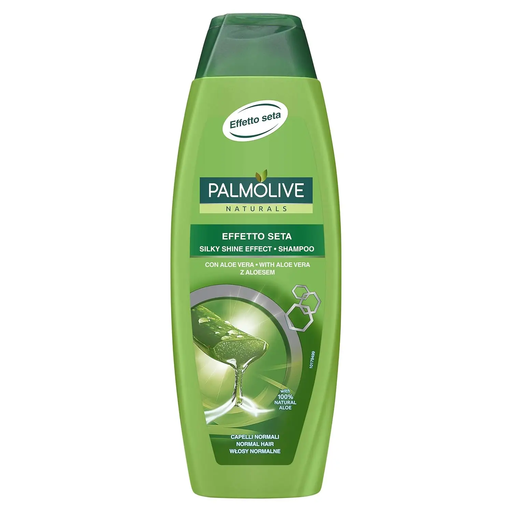
Why it suits this profile: A regular shampoo for frequent use, with aloe vera and a 350 ml size. According to the product description, the formula is intended to reduce dryness and leave hair feeling soft.
The size, variant and instructions are clearly stated. The product description makes no medical claims.
350 ml; aloe vera variant; suitable for frequent use according to the product information.
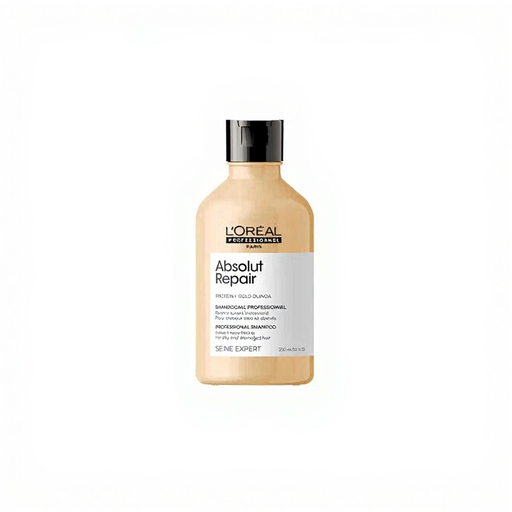
Why it suits this profile: Designed for dry and damaged hair, including coloured hair according to the product information. The formula contains golden quinoa and proteins.
The target group and intended use are specified. The repair claim is presented as the brand’s product description, not as a guaranteed result.
300 ml; intended for dry and damaged hair; vegan according to the specifications.
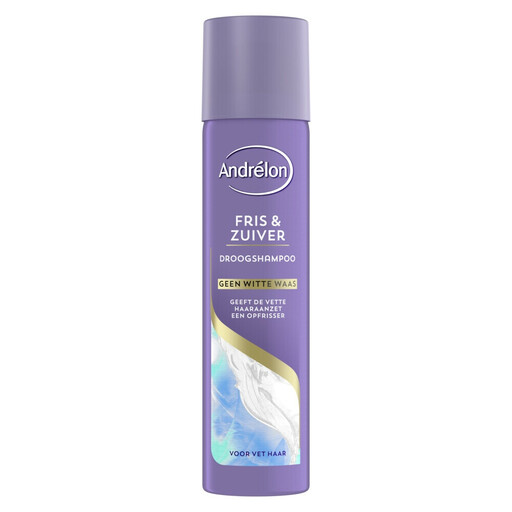
Why it suits this profile: Handy for working days, travelling or times when washing with water is not convenient. According to the product description, 100% natural tapioca starch absorbs excess oil at the roots.
The instructions state that you should spray from approximately 20 cm away, wait for two minutes and then brush it out. This helps ensure you do not use it as a substitute for washing.
245 ml; intended for oily hair between washes; described as leaving no white residue.
We have compiled a complete, up-to-date list of products that fully meet these strict selection criteria and the applicable European safety requirements.
That depends on your scalp, hair type and daily activities. Oily hair may need washing more often, while dry or curly hair may respond better to longer intervals between washes. Use an amount that suits your hair length and rinse thoroughly.
Check the open-jar symbol on the packaging, for example 12M. This means that, according to the manufacturer, the product is intended for use for twelve months after opening. Store shampoo in a dry place, close the bottle properly and follow the current packaging.
No. Dry shampoo mainly refreshes the roots and absorbs oil. Regular shampoo is rinsed out with water and is intended to cleanse the hair and scalp. Use dry shampoo as an additional product between washes, not as a permanent replacement.
