
Vandaag of morgen in huis

Kwaliteit gegarandeerd

Welkomstaanbiedingen ontgrendelen: GRATIS bezorging | Tot 80% korting | Gratis 30 dagen JoyPlus-proefperiode
Download de app
Whether you're washing dishes, gardening, cycling, or performing a hygienic task, the right gloves make all the difference. Yet, it's easy to pick the wrong ones. A poor choice isn't just frustrating; it can also be unsafe. As a Product Recommendation Officer at Joybuy, I see where things go wrong every day. Let's avoid the most common pitfalls.
Pitfall 1: The "one-size-fits-all" myth. Gloves that are too large will slip off and reduce your grip. Gloves that are too small tear easily and are uncomfortable. A good fit isn't a luxury; it's a necessity for both comfort and safety.
Pitfall 2: The wrong material for the job. Not every glove is suited for every task. Using thin disposable gloves for a heavy-duty cleaning job will lead to tears, while robust household gloves are clumsy for precision work.
Pitfall 3: Overlooking functionality. An oven mitt that isn't sufficiently heat-resistant, or cycling gloves without grip, make a product practically useless. It's about the details that match your specific use case.
To avoid making the wrong purchase, it helps to know a few basic principles. Focus on the following specifications to make an informed choice.
The material determines the glove's functionality, durability, and comfort.
As mentioned earlier, size is crucial. A glove should be snug enough for control but offer enough room to move comfortably. Many packages provide a size chart, often based on the circumference of your palm. Take a moment to measure it; it's well worth the effort.
The choice between disposable and reusable depends on the application.
To help you make the right choice, we've matched a few products to specific user profiles.

Why This Fits Their Persona: Ideal for those who frequently cook, clean, or perform other tasks where hygiene is essential. The bulk pack is practical, and the nitrile composition offers reliable protection.
These gloves are available in specific sizes, avoiding the "one-size-fits-all" pitfall. The strong nitrile material is more reliable than thin vinyl for various tasks.
Powder-free and latex-free, which reduces the risk of skin irritation. Suitable for food contact and provides protection against cleaning agents.
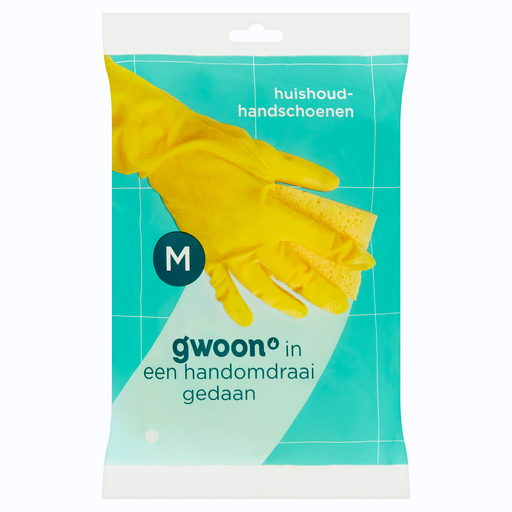
Why This Fits Their Persona: A classic, reliable choice for daily dishwashing and cleaning tasks around the house. Protects hands from water and mild cleaning agents.
This is a reusable glove designed for durability in wet conditions, unlike a disposable glove that would tear quickly (pitfall 2).
Reusable and therefore economical for daily use. Often features a comfortable cotton lining and a non-slip texture for a better grip on wet dishes.
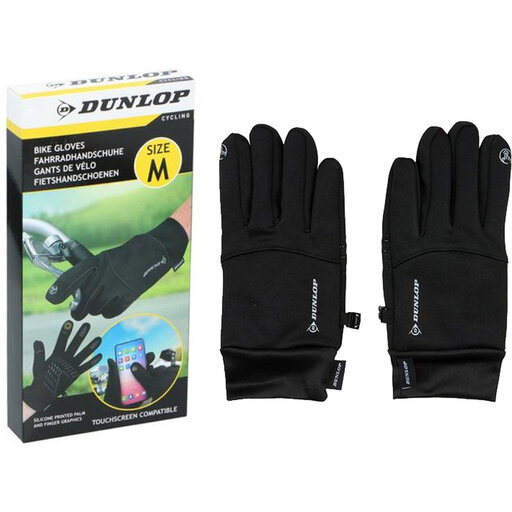
Why This Fits Their Persona: For the cyclist who rides in colder weather and wants to maintain control. The gloves provide warmth, grip, and the ability to operate a smartphone without taking them off.
This glove offers specific features that a general-purpose glove lacks, such as grip and touchscreen compatibility (pitfall 3). The sizing ensures a proper fit and control.
The silicone grip on the palm ensures optimal control of the handlebars. The touchscreen-compatible fingertips are a modern and practical advantage.
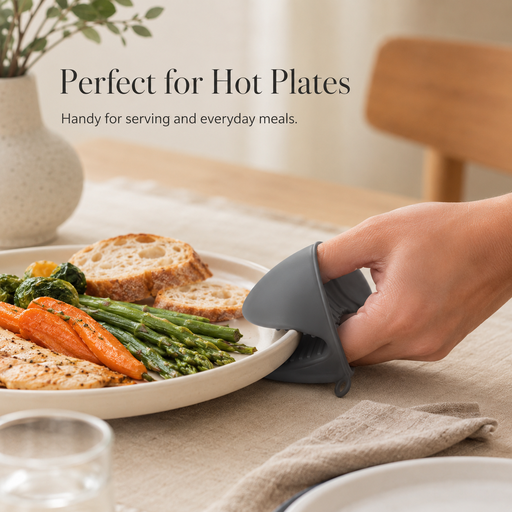
Why This Fits Their Persona: For anyone who regularly handles hot oven dishes, pans, or a barbecue. These silicone 'pinch mitts' offer targeted protection and grip.
These gloves provide targeted heat protection, unlike a regular tea towel or a thin fabric oven mitt that offers insufficient insulation (pitfall 3).
Made of food-grade silicone, which is heat-resistant, waterproof, and oil-resistant. The texture provides a non-slip grip, and they are very easy to clean.
We've compiled a complete, up-to-date list of products that meet these selection criteria and current regulations.
1. How do I choose the right size gloves? Most manufacturers provide a size chart. Typically, you measure the circumference of your palm, just below the knuckles (excluding the thumb). Compare this measurement with the brand's chart. When in doubt, a slightly larger size is often more comfortable than one that is too small, which can tear.
2. What is the main difference between nitrile, latex, and vinyl? In short: nitrile is the strong, allergy-free all-rounder. Latex is highly flexible and offers good tactile sensitivity but can cause allergies. Vinyl is the budget option for light, short-term tasks. Choose based on your task and any sensitivities.
3. Are all gloves suitable for food contact? No, not automatically. Gloves intended for food preparation must meet specific standards, and this is usually indicated on the packaging as 'food-safe' or with a glass-and-fork symbol. Powder-free nitrile or vinyl gloves are often a safe choice for the kitchen. Reusable household gloves are generally not recommended for direct food preparation due to the risk of cross-contamination.
