
Vandaag of morgen in huis

Kwaliteit gegarandeerd

Welkomstaanbiedingen ontgrendelen: GRATIS bezorging | Tot 80% korting | Gratis 30 dagen JoyPlus-proefperiode
Download de app
Supplements often seem easy to compare: just look at the number of capsules, a flashy health claim and the price. In reality, that tells you very little about whether they’re right for you. A cheap pot might contain a low dosage, and a high number of bacterial strains doesn’t automatically mean a probiotic is a good fit.
This buying guide helps adults, seniors, families, active people and vegan shoppers assess supplements with a clear head. You’ll find information on multivitamins, vitamin D, vitamin C, vitamin B complex, probiotics, prebiotics, omega 3, fish oil, amino acids, glucosamine and collagen.
A product packed with lots of vitamins and minerals isn’t always necessary. First, check which nutrients you actually need to top up. A multivitamin can be handy for daily use, but a targeted supplement such as vitamin D, omega 3 or a vitamin B complex might suit your diet better.
Also pay attention to the recommended daily dose. Don’t just compare products on the number of tablets in the pack; focus on the amount of active nutrients per day.
Claims about immunity, energy, gut health, skin, joints or brain function must comply with European regulations. According to a brand’s product information, an ingredient may contribute to a normal body function, but that’s no guarantee of a personal result.
Be extra cautious with claims about chlorella, collagen, prebiotics and probiotics. Their effectiveness depends on the composition, dosage and your individual circumstances. A supplement doesn’t replace a varied diet or a healthy lifestyle.
Fish oil contains fish, and some glucosamine products contain shellfish. A capsule may contain gelatine and therefore not be suitable for vegetarians or vegans. Always check:
The daily dose is the most important unit for comparison. For example, Davitamon Vitamin D3 50+ Lemon states 10 micrograms of vitamin D3 per melt-in-the-mouth tablet. According to the packaging, the product is intended for adults aged 50 and over and is suitable for vegetarians.
With omega 3, don’t just look at “fish oil”; focus on EPA and DHA. Davitamon Omega-3 Fish Oil lists 276 mg EPA and 208 mg DHA per capsule. The recommended number of capsules and the content per capsule together determine what you take each day.
For probiotics, the number of CFU, the bacterial strains and the storage instructions are all relevant. CFU stands for colony-forming units and indicates how many live bacteria are present according to the product information.
Lucovitaal 3-in-1 Bioticomel combines, according to the product description, 20 billion live bacteria from six strains with 60 mg of prebiotics and 2 billion postbiotics. The capsules use micro-encapsulation and, according to the packaging, must be stored in the fridge after opening.
Another product, Lucovitaal Prebiotics & Probiotics, lists 20 billion bacteria from eight strains and 50 mg of FOS. Note that information about vegan suitability and storage can vary from product to product. Always check the label before you order.
Tablets, capsules, chewable tablets and effervescent tablets each have practical differences. Chewable tablets can be handy for families, while capsules suit those with a fixed daily routine. An effervescent tablet can be a good option if swallowing is difficult, but watch out for sweeteners and any allergens.
Also calculate the cost per day. A pack of 60 tablets isn’t automatically better value than a pack of 30 capsules if the daily dosage is different.
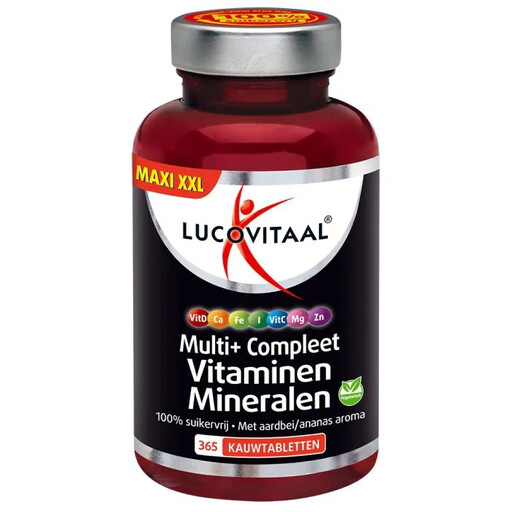
Why this fits the profile: The chewable tablets contain multiple vitamins and minerals and, according to the product information, are suitable for children from 3 years and adults. The dosage varies by age.
The recommended dosage is listed per age group. This means you can tailor your daily intake better than with a product that only gives a general serving size.
100% sugar-free according to the product information, with no artificial flavours or colours, and a strawberry-pineapple taste.
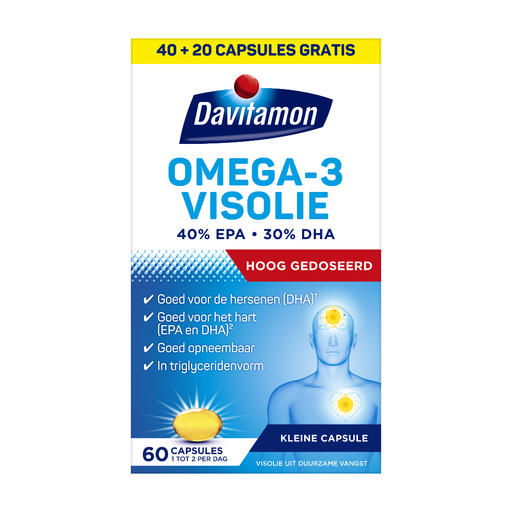
Why this fits the profile: If you want to compare omega 3 products properly, this one gives you clear values for fish oil, EPA, DHA and vitamin E per capsule and per maximum daily dose.
The product information specifies EPA and DHA separately. You don’t have to rely on a general “fish oil” claim alone.
According to the label, one capsule contains 720 mg fish oil, 276 mg EPA, 208 mg DHA and 5 mg vitamin E. The product contains fish and gelatine.
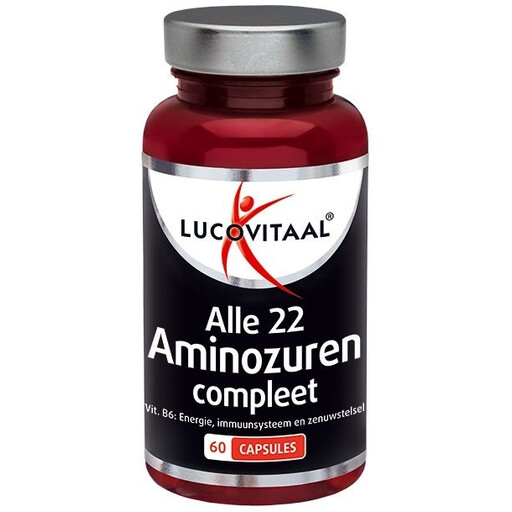
Why this fits the profile: This product is aimed at adults who consciously want to add amino acids, for example alongside an active diet.
The product information lists the individual amounts of all 22 amino acids. This makes a comparison much more concrete than a vague “sports formula”.
Contains, according to the label, essential and non-essential amino acids plus 0.21 mg vitamin B6. The plant-based capsules can be opened and mixed with, for example, yoghurt.
We’ve put together a full, up-to-date list of products that fully meet these strict selection criteria and comply with current European safety regulations.
Check the expiry date on the packaging and follow the storage instructions. Keep capsules and tablets in a cool, dry place away from direct sunlight. Probiotics may have additional instructions, such as refrigeration after opening. Don’t use a product if the seal is damaged.
This can lead to overlap, especially with vitamin D, vitamin C, zinc, selenium, iron and vitamin B6. So compare the labels of all the products you’re using. If you’re taking medication, have a medical condition, or are pregnant or breastfeeding, consult a doctor or pharmacist first.
The cost depends on the price, the contents and the recommended dosage. Divide the price by the number of daily doses, not by the number of tablets. A pack with lots of capsules can still be more expensive if you need several capsules a day.
