
Vandaag of morgen in huis

Kwaliteit gegarandeerd

Welkomstaanbiedingen ontgrendelen: GRATIS bezorging | Tot 80% korting | Gratis 30 dagen JoyPlus-proefperiode
Download de app
The sunscreen aisle seems to get bigger every year. With claims like "waterproof," "high SPF," and "natural," it's hard to determine what you really need. Many marketing terms are misleading, causing you to spend money on a product that isn't right for you or, worse, doesn't provide adequate protection.
As a Joybuy Product Recommendation Officer, I'm here to help you cut through the noise. Let's look at the three most common pitfalls when buying sunscreen, so you can make an informed choice.
Many people believe that a waterproof sunscreen offers all-day protection, even after a dip in the ocean. This is incorrect. According to EU regulations, the term "waterproof" is no longer permitted. Instead, you'll see "water-resistant" or "extra water-resistant."
After swimming, sweating, or towel-drying, the effectiveness rapidly decreases. The pitfall is forgetting to reapply, which can lead to sunburn.
A sunscreen with SPF 50 might seem like the safest choice, but the difference compared to SPF 30 is smaller than you think.
The difference in protection is minimal. The real mistake people make is applying too little product. Whether you use SPF 30 or 50, the key to effective protection is applying it generously and frequently (every two hours). A higher SPF can create a false sense of security, often causing people to reapply less often.
There's a lot of debate about chemical versus mineral filters. Brands capitalize on this by promoting "natural" mineral sunscreens as the superior choice. This isn't always true.
The choice depends on your skin type and personal preference, not a marketing label. A well-formulated chemical sunscreen can be just as safe and more pleasant to use.
To avoid making the wrong purchase, focus on the following objective specifications.
SPF only measures protection against UVB radiation, the rays that cause sunburn. UVA radiation penetrates deeper into the skin and is the main cause of skin aging (wrinkles, dark spots). A good sunscreen protects against both.
Look for the UVA logo on the packaging: a circle with the letters 'UVA' inside. This guarantees that the UVA protection is at least one-third of the stated SPF, as required by the EU. Korean sunscreens often use the PA system (PA+ to PA++++), where PA++++ offers the highest UVA protection. For an effective anti-aging sunscreen, high UVA protection is essential.
The formula is just as important as the protection factor. A cream that's too rich can cause breakouts, while a formula that's too light may not be hydrating enough.
Based on objective specifications, we have selected a few products that suit different user profiles.
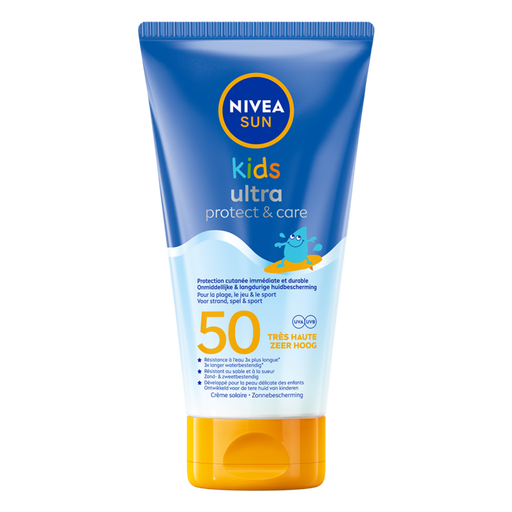
Why This Fits Their Persona: This sunscreen is designed for the reality of active children: running, swimming, and sweating. The formula is extra water- and sand-resistant, which is essential for a day at the beach or playing outdoors.
It tackles the "waterproof" pitfall with a formula that NIVEA claims is 3x more water-resistant than regular water-resistant sunscreens, but reminds you that reapplication remains crucial.
High SPF 50+ protection and a formula approved by pediatricians, specifically for sensitive children's skin.

Why This Fits Their Persona: This popular Korean sunscreen is ideal for those who hate the sticky feeling of traditional sunscreens. Its lightweight, serum-like texture absorbs quickly, leaves no white cast, and feels comfortable under makeup.
It debunks the "chemical vs. mineral" hype by showing that a modern chemical formula can be very comfortable and non-irritating, even on sensitive skin.
Offers high SPF 50+ and PA++++ (UVA) protection in a hydrating, non-sticky formula with rice extract and probiotics.
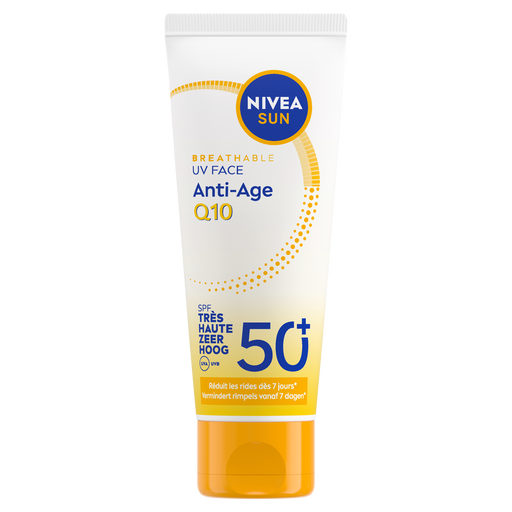
Why This Fits Their Persona: This product is more than just sun protection; it's a daily anti-aging treatment. It combines high UVA/UVB protection with active ingredients aimed at reducing the signs of skin aging.
Goes beyond the "high SPF" pitfall by emphasizing the combination of high SPF and high UVA protection, which is essential for anti-aging.
The formula contains Q10 and collagen peptides. According to NIVEA, this helps to visibly reduce wrinkles and firm the skin.
We've compiled a complete, up-to-date list of products that fully meet these strict selection criteria and local regulations.
Most people apply too little. A good rule of thumb is the two-finger method for your face and neck: a line of product on your index and middle fingers. For your body, you need about the amount of a full shot glass (30-35 ml). Apply generously and don't forget spots like your ears, neck, and the tops of your feet.
Check the packaging for the PAO (Period After Opening) symbol. This is an image of an open jar with a number in it, for example, "12M". This means the product is good for 12 months after opening. If last year's sunscreen is within this period and its texture, color, and smell haven't changed, you can still use it. When in doubt, it's safer to buy a new bottle.
There is no "better," only a better fit for you.
The right sunscreen is the one you enjoy using every day. By looking past the marketing and focusing on UVA/UVB protection and a formula that suits your skin, you are investing in the long-term health of your skin.
