
Vandaag of morgen in huis

Kwaliteit gegarandeerd

Welkomstaanbiedingen ontgrendelen: GRATIS bezorging | Tot 80% korting | Gratis 30 dagen JoyPlus-proefperiode
Download de app
Sunglasses may seem like a straightforward purchase, but an attractive frame tells you little about comfort, lens quality or protection. A pair may start to feel tight after a few weeks, scratch easily or slip while cycling. Terms such as UV400, polarised and anti-reflective are not always explained clearly either.
This guide helps you compare sunglasses based on objective features. That way, you can make a more informed choice for everyday wear, driving, travel or sporting activities.
A large frame or dark lens may look stylish, but it says nothing about the fit. Always check the frame width, nose bridge and arm length. A universal size will not automatically suit every face. Arms that are too loose can cause the sunglasses to slip, while a frame that is too narrow may put pressure on your temples.
UV400 refers to protection against ultraviolet light up to a wavelength of 400 nanometres. You should also look at the lens materials, coatings and product information. An anti-reflective coating can help reduce distracting reflections, while a scratch-resistant or oleophobic coating is designed to make everyday care easier.
Claims about UV blocking and glare reduction come from the manufacturer. According to Beneunder’s product description, certain FD421 and FD01h models block at least 99.9% of UV radiation. Always check the latest product specifications and packaging information before buying.
Cycling sunglasses should remain stable even in wind, when you are sweating and while you are moving. A smooth frame without non-slip nose pads can slide down during a bumpy ride. For intensive use, practical features to look for include a wraparound design, adjustable nose supports and non-slip arms.
UV400 sunglasses are a sensible starting point for sunny days. Next, consider the amount of light transmitted by the lens. A dark lens is not automatically better suited to changing conditions. When driving, it is important that your vision remains clear in shade, tunnels and overcast weather.
Polarised sunglasses can reduce glare from wet roads, water and metal surfaces. According to Revoray’s product description, the Y1 models feature TAC polarised lenses with visible light transmission of approximately 15.2%. This makes them particularly suitable for bright light. Bear in mind that polarised lenses can make some displays or dashboards appear differently.
Lightweight sunglasses are comfortable to wear for longer periods. TR90 is a flexible plastic material used in the product specifications of several of the models mentioned. According to the manufacturer, this material offers flexibility and resistance to deformation. This is a product feature, not a guarantee that a frame will remain undamaged in every situation.
According to the product information, the Revoray X3 weighs approximately 30 grams. The Y1 models weigh around 33 grams. The Beneunder FD421 is listed as weighing 26 grams. The difference may be small on paper, but the balance between the frame, nose bridge and arms also affects how comfortable the sunglasses feel.
Foldable sunglasses take up less space when travelling or commuting. However, check how thick the model is when folded and whether you use a protective case. According to the product description, the Beneunder FD01h has arms that can be adjusted to three positions and dual-axis butterfly nose pads. The FD421 has a tri-fold design and, according to the manufacturer, folds down to approximately 35 millimetres thick.
Rinse sports sunglasses with clean water after use and wipe them with a soft microfibre cloth. Avoid alcohol and harsh cleaning products if the product information advises against them. Do not leave sunglasses loose in a bag: sand and keys can quickly cause scratches, even on lenses with a scratch-resistant coating.
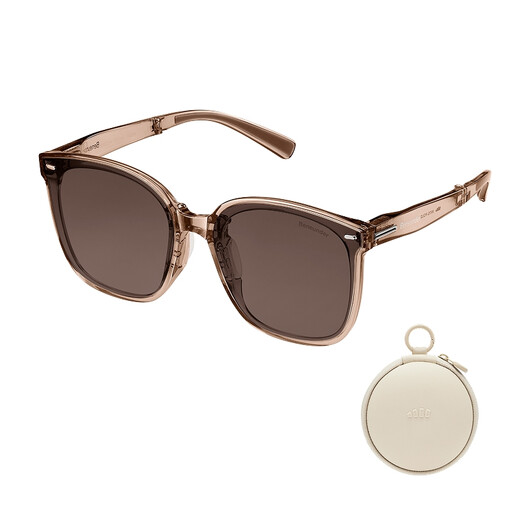
Why it suits this profile: These sunglasses combine a foldable design with a weight of approximately 26 grams. That makes them practical for everyday use, holidays and travelling.
The product specifications list the frame dimensions, weight and a tri-fold construction. This makes it easier to assess portability and fit in advance.
TR90 frame, UV400 lenses according to the manufacturer, anti-reflective coating and a compact foldable design.
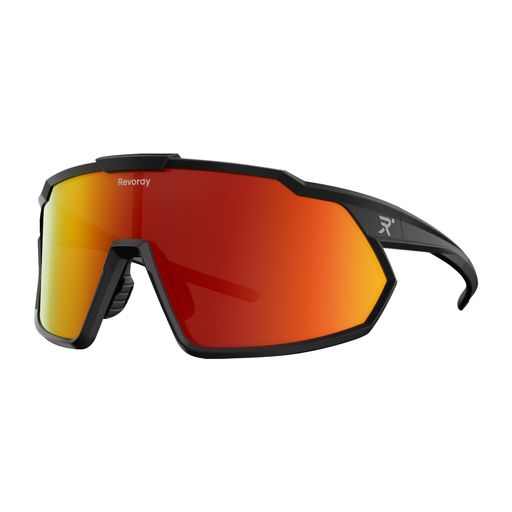
Why it suits this profile: The TAC polarised lens, adjustable silicone nose supports and water- and oil-repellent coating are well suited to intensive outdoor use.
The adjustable components and non-slip materials are designed to provide stability. The stated light transmission of approximately 15.2% makes it clear that the lens is primarily intended for bright light.
Approximately 33 grams, TR90 frame, TAC polarisation and, according to the product description, UV400 protection and ANSI Z87.1 performance testing.
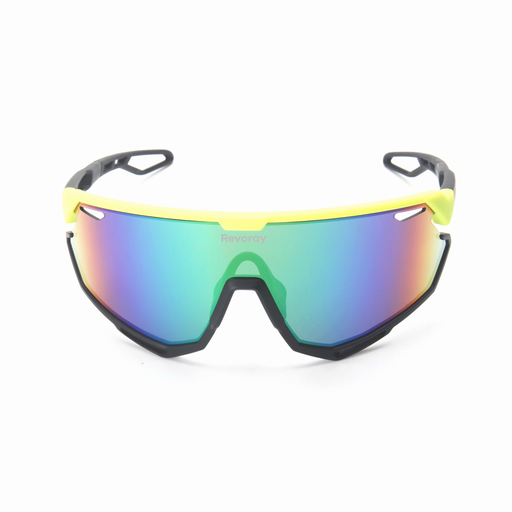
Why it suits this profile: The aerodynamic design, integrated PC lens and non-slip nose pad are tailored to cycling and other active outdoor pursuits.
The product information lists a one-piece PC lens, rubber nose pads and non-slip arms. This describes lens coverage and stability more clearly than a standard frame.
Approximately 30 grams, TR90 frame, integrated PC lens and UV400 protection according to the manufacturer.
We have put together a complete, up-to-date list of products that fully meet these strict selection criteria and the applicable European safety regulations.
Their lifespan depends on use, storage and care. A frame may last longer if you do not leave it on the dashboard, store it loose in a bag or clean the lenses with a soft cloth. Replace the sunglasses if the frame has become misshapen, the hinges are loose or scratches affect your vision.
They can be, particularly if you are troubled by reflections on wet roads. However, check that your dashboard, sat-nav screen and other displays remain easy to read. In changing light conditions, avoid lenses that make your vision unnecessarily dark.
UV400 means that the lenses provide protection against ultraviolet light up to 400 nanometres, according to the relevant product specification. When buying, check who makes the claim, whether the information applies to the specific model and whether the sunglasses are suitable for your intended use.
