
Vandaag of morgen in huis

Kwaliteit gegarandeerd

Welkomstaanbiedingen ontgrendelen: GRATIS bezorging | Tot 80% korting | Gratis 30 dagen JoyPlus-proefperiode
Download de app
A drawer full of stationery doesn’t automatically mean you have the right tool for every task. A ballpoint pen might write smoothly on standard paper, but it may be less suitable for thin paper or intensive colour-coding. A gel pen can produce a lovely line, but sometimes takes longer to dry. And a stylus pen only works well when it’s compatible with your tablet.
The most common mis-purchases come from three pitfalls:
With the right specifications, you can compare stationery more effectively for school, the office, journaling, drawing or taking digital notes.
The nib size determines how much control you have and how visible the line will be.
Ballpoint pens typically use oil-based ink. This is practical for forms, signatures and administrative notes. Gel stationery contains gel ink that often has more intense colours. According to the product description of various WRITECH gel pens, the ink is designed to be quick-drying; the actual drying time may vary depending on the paper type, pressure and writing speed.
A standard pen is designed for paper. For other surfaces, you need specific stationery:
The STABILO OHPen universal is, according to the product description, intended for smooth surfaces. The set contains permanent black ink and water-based ink in other colours. Always check before use whether the ink needs to be removable later.
With clutch pencils and mechanical pencils, it’s not just the lead thickness that matters. Also check:
A metal mechanical pencil can feel different in weight and feel compared to a plastic model. For children, small parts and loose caps are a point of concern. According to the product information, many products in this category are not suitable for children under 3 years old. Therefore, store stationery out of reach of young children and avoid contact of ink with eyes, mouth, clothing and furniture.
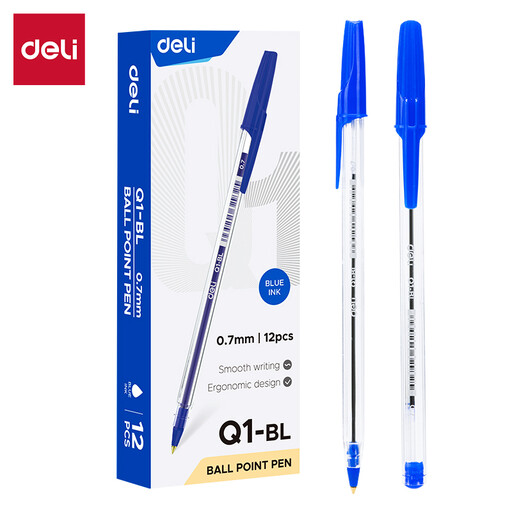
Why this fits the profile: A set of 12 ballpoint pens is practical for a student, home office or shared school supplies.
The 0.7 mm nib size is clearly stated and the pack contains 12 pens, so stock levels and running costs remain manageable.
Blue oil-based ink, 0.7 mm bullet tip and 12 pens per pack.
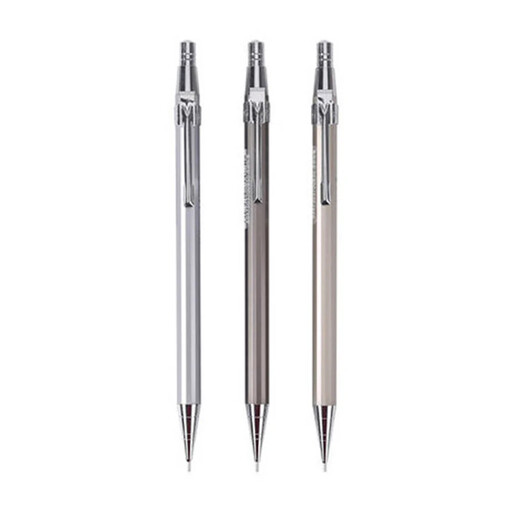
Why this fits the profile: Suitable for users who need precision writing, sketching or technical drawing and appreciate a metal body.
The 0.5 mm lead, push-button advance and metal body are clearly described, so you’re not relying on appearance alone.
Three pencils, 0.5 mm black lead and metal body for controlled writing and drawing.

Why this fits the profile: For creative users who want to work on multiple surfaces, such as canvas, wood, glass or ceramic.
The product description mentions the suitable surfaces, the two nib sizes and activation by shaking and pumping.
Six markers, water-based acrylic ink, nib sizes of 1 and 3 mm and an ink level indicator.
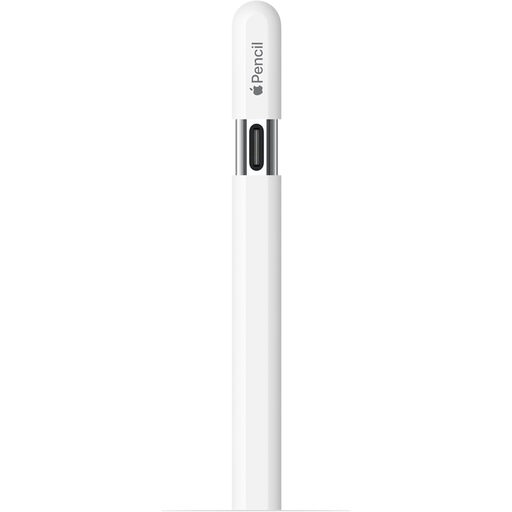
Why this fits the profile: An option for iPad users who want to combine writing, sketching and digital notes with their school or office supplies.
Check before purchase whether your iPad is on the compatibility list. Connection and charging are via USB-C.
Magnetic attachment, tilt sensitivity, USB-C connection and hover support on compatible iPads.
For everyday writing, 0.7 mm ballpoint pens are a practical choice. If you need a finer line, consider a 0.5 mm gel pen or drawing pen. If in doubt, test the pen on the paper you use most often.
Replace the cap or retract the tip when you’ve finished. Store gel pens in a dry place, away from direct sunlight. For some models, the product description recommends horizontal storage. Also check whether the pen is refillable; this affects the long-term cost.
For an iPad, you need a compatible stylus pen, such as an Apple Pencil USB-C. Always check the exact iPad model, the connection type and features like tilt sensitivity and palm rejection. A standard ballpoint pen, gel pen or marker will not work on the screen.
We’ve put together a full, up-to-date list of products that fully meet these strict selection criteria and comply with current European safety regulations.
