
Vandaag of morgen in huis

Kwaliteit gegarandeerd

Welkomstaanbiedingen ontgrendelen: GRATIS bezorging | Tot 80% korting | Gratis 30 dagen JoyPlus-proefperiode
Download de app
At first glance, soy sauce seems simple: a bottle with a salty, savoury flavour. Yet light soy sauce, dark soy sauce, sweet soy sauce and varieties from Thailand, China, Korea and Japan differ considerably from one another. The wrong choice can make a stir-fry too sweet, overpower a marinade, or leave a dish tasting mainly of salt.
As a Joybuy Product Recommendation Officer, I filter product information based on practical points. So don't just look for words like "premium" or "authentic" – pay close attention to ingredients, nutritional values, volume and the intended use.
A dark sauce isn't automatically stronger or saltier. Dark soy sauce is often used to add colour and depth to stews, marinades and noodle sauces. However, some dark varieties contain relatively high amounts of sugar, molasses or caramel colouring. This makes them more sweet and syrupy than suitable as an all-purpose table sauce.
Light soy sauce is usually thinner and designed to season dishes without darkening them significantly. Always check the label though: the name and composition can vary by country and brand.
"Premium soy sauce" is a commercial label, not a universal guarantee of a particular production method, ageing process or flavour. Look at the ingredients list and nutritional information table. A short ingredients list might consist of just water, soya beans, wheat and salt, whereas other products may contain sugar, flavour enhancers, preservatives or colourings.
According to the product description, Lee Kum Kee's Premium Light Soy Sauce is fermented from defatted soya beans and wheat. That's a verifiable product claim, but the final taste still depends on your recipe and personal preference.
A 700 ml, 750 ml or 1 litre bottle is handy for families, home cooks and professional kitchens. However, a large pack can be impractical if you only cook Asian food occasionally. Check the best-before date and storage instructions. Seal the bottle tightly after use and store the product as directed on the label. Some products recommend refrigeration after opening.
Choose the variety based on the dish:
A Thai soy sauce is not the same as a Chinese or Korean soy sauce. Korean dishes also often use fermented seasonings such as doenjang and ssamjang. Japanese recipes, on the other hand, may call for miso paste. These products are not direct substitutes for soy sauce, as their thickness, fermentation and flavour differ.
Product information often lists soya and wheat as allergens. If you eat gluten-free, you should therefore not just look at the front of the pack but check the full allergen information. It's also wise for vegetarians and vegans to read the label. Soy sauce itself can be plant-based, but blended dipping sauces or marinades may contain other ingredients.
Also watch out for added sugar. For comparison: according to the product information, Healthy Boy Thai Sweet Soy Sauce contains 56 grams of sugar per 100 grams. That suits a sweet, thick sauce, but makes this variety less suitable when you're looking for a neutral seasoning.
Soy sauce generally contains a lot of salt. The nutritional values on the product page give a useful indication, but always check the actual packaging at the time of purchase. Use a small amount to begin with and add more later if needed.
Also pay attention to the volume:
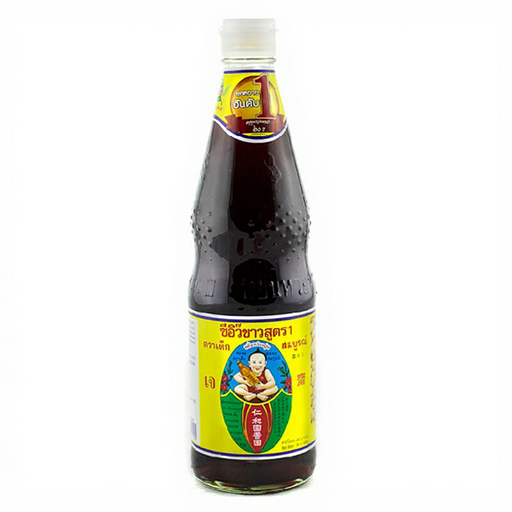
Why this fits the profile: This thin Thai soy sauce is suitable as a first bottle for stir-fries, soups, marinades and dipping sauces. The 700 ml volume is practical for regular home use.
The product description mentions multiple uses, so you don't need several different bottles straight away. Do check the listed flavour enhancers and allergens.
700 ml volume; suitable for stir-frying, soup, marinades and dipping sauces; from a Thai manufacturer.
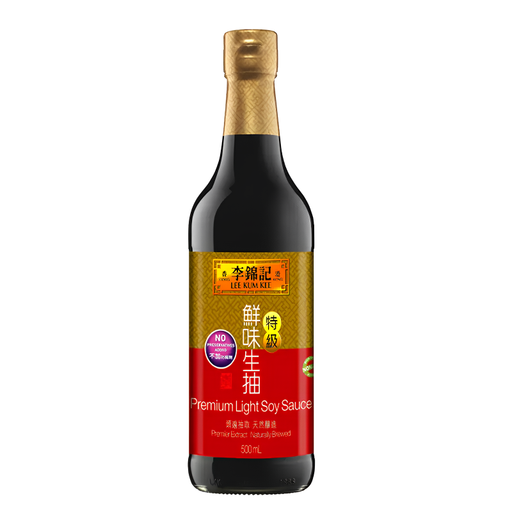
Why this fits the profile: This Chinese light soy sauce is intended for dipping, marinating and cooking. The product information lists soya beans, wheat, salt, sugar and yeast extract.
The variety is light in colour and therefore usable without strongly discolouring every dish. Here, the term premium is linked to listed ingredients and product description.
500 ml; suitable for multiple cooking methods; clear listing of soya and wheat allergens.
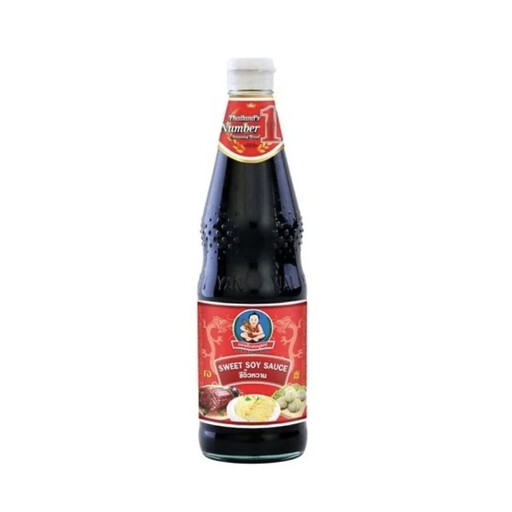
Why this fits the profile: This thick, sweet Thai soy sauce is ideal for noodles, stir-fries, marinades and dips. The 970 g bottle is aimed at frequent use.
The clear sweet positioning prevents you from confusing this sauce with a neutral light soy sauce. Use small amounts when you only want colour or shine.
970 g; thick texture; suitable for stir-frying, noodles, marinades and dipping sauces.
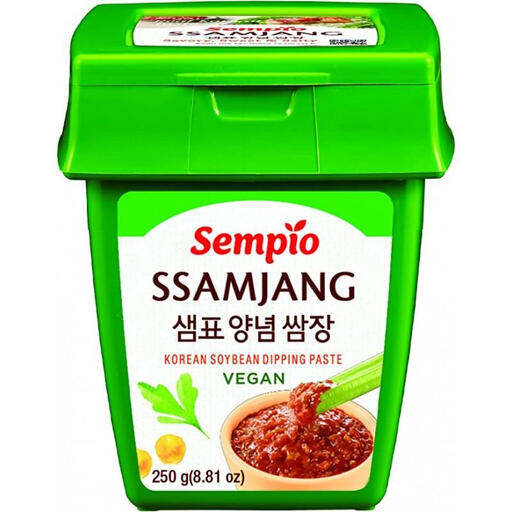
Why this fits the profile: Ssamjang is a Korean, thicker seasoning made from, among other things, fermented soya and red pepper. The product is intended as a dip, marinade base or ingredient.
The product category makes it clear that this is not a thin soy sauce. Check the listed allergens: wheat, soya and sesame are stated in the product information.
250 g; ready to use as a dip; suitable for marinades, vegetables and Korean dishes.
We've put together a full, up-to-date list of products that fully meet these strict selection criteria and current European safety regulations.
Light soy sauce is generally thinner and used to season dishes without adding much colour. Dark soy sauce is usually intended for colour, a deeper flavour and sometimes extra sweetness. Always check the ingredients, as the composition and salt content vary by brand.
Follow the best-before and storage advice on the packaging. Store the bottle sealed, out of direct sunlight and away from heat and moisture. Some brands recommend refrigeration after opening. Do not use the product if the packaging is damaged or the smell, colour and texture have clearly changed.
Check the ingredients and allergens on the label. A simple soy sauce can be plant-based, but blended Asian sauces may contain additional ingredients. For Korean dishes, doenjang, ssamjang and vegan gochujang are also available; each has its own flavour and is not automatically interchangeable with soy sauce.
