
Vandaag of morgen in huis

Kwaliteit gegarandeerd

Welkomstaanbiedingen ontgrendelen: GRATIS bezorging | Tot 80% korting | Gratis 30 dagen JoyPlus-proefperiode
Download de app
Buying shoes online may seem simple, but an attractive photo says little about fit, surface or everyday comfort. A running shoe is not automatically suitable as a trainer, and football boots designed for natural grass will not work well in a sports hall. By checking the material, size and intended use carefully, you reduce the chance of ending up with a pair that stays unworn in the cupboard after just a few outings.
A low-cut casual shoe may be perfectly suitable for walking around town, but it often lacks the grip, cushioning or stability needed for running. Conversely, a technical running shoe may feel unnecessarily stiff or look out of place for everyday use. So start by considering the surface and type of movement you need the shoes for:
An EU size is not identical across every model. The shape of the toe box, the width of the last and the thickness of the lining all affect how a shoe fits. Therefore, check the stated foot length in millimetres or centimetres, and measure both feet at the end of the day.
A practical method:
Terms such as “maximum grip”, “energy return” or “suitable for every terrain” are not always directly comparable. Instead, assess the specific details: sole type, midsole material, upper, fastening and recommended surface. When a performance claim is mentioned only by a brand, we treat it as a brand claim. For example, according to the adidas product description, the combination of Lightstrike Pro and ENERGYRODS creates a responsive feel; this is not a guarantee for every runner.
The sole largely determines where you can use your shoes safely and practically. An FG sole with studs is intended for firm natural grass. Do not routinely wear football boots with this type of sole on a sports floor. For indoor football, non-marking rubber soles are important: they are designed to provide grip without leaving obvious marks behind.
For trail running, pay attention to the rubber compound and tread. A sole with deeper studs is useful on mud, loose ground and uneven paths. On asphalt, however, this type of tread may wear down more quickly and feel less flexible.
The midsole determines how the shoe feels underfoot. EVA, Bounce, Cloudfoam and Lightstrike are different material or technology names. Do not compare the name alone; consider how it is used as well. A lightweight, responsive model for tempo training has a different purpose from a softer model for easy runs.
For the adidas Adizero Boston 13, the product description lists a Lightstrike Pro midsole, ENERGYRODS and a Lighttraxion outsole with Continental Rubber at the front. The stated size is EU 39 1/3, with a foot length of 246 mm. This makes the model particularly interesting for runners who can match their measurements accurately to the size chart.
A mesh upper can feel airy during sport, while leather or synthetic leather gives trainers more structure. Check the fastening too. Laces offer an adjustable fit; a wide, fixed opening is more convenient for relaxed everyday use, but may provide less adjustment.
Also pay attention to the care instructions. Many models must not be put in the washing machine. The product descriptions for several adidas and Vans models recommend cleaning with a damp cloth and allowing them to dry naturally, away from direct heat. This helps limit deformation and damage to glued joins.
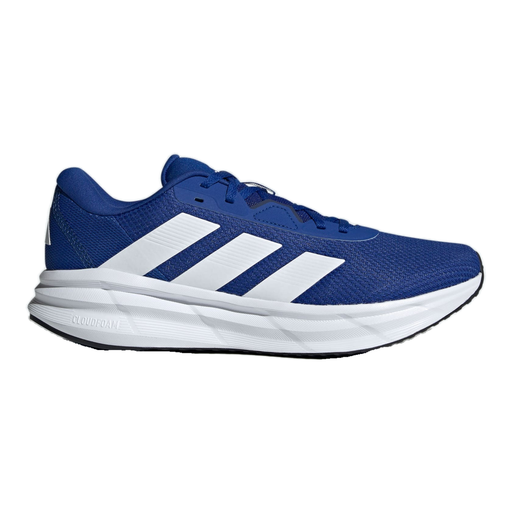
Why it suits this profile: This model combines a textile upper with a Cloudfoam midsole and is designed for road running and everyday use.
The product information states size EU 42 and a foot length of 270 mm. Check this before ordering rather than relying on the EU size alone.
Cloudfoam midsole, textile lining, lace fastening and TPU outsole according to the product description.
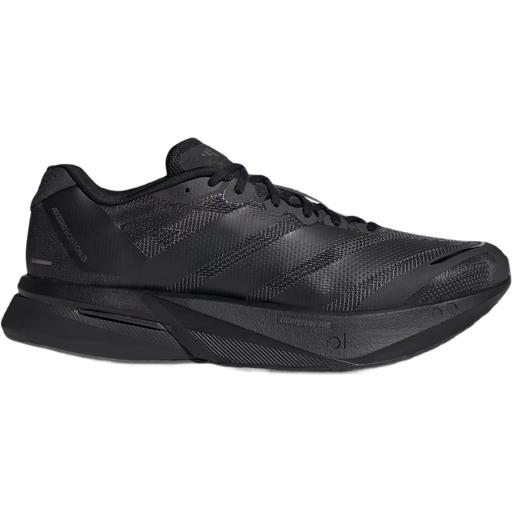
Why it suits this profile: Designed for intensive training and race preparation, with a breathable textile upper and a specific construction for faster-paced running.
Its intended use is clearly described as speed training and race preparation. This makes it less likely that you will confuse the model with a general walking shoe.
Lightstrike Pro, ENERGYRODS and Lighttraxion with Continental Rubber are listed as product specifications; the size is 39 1/3 with a 246 mm foot length.
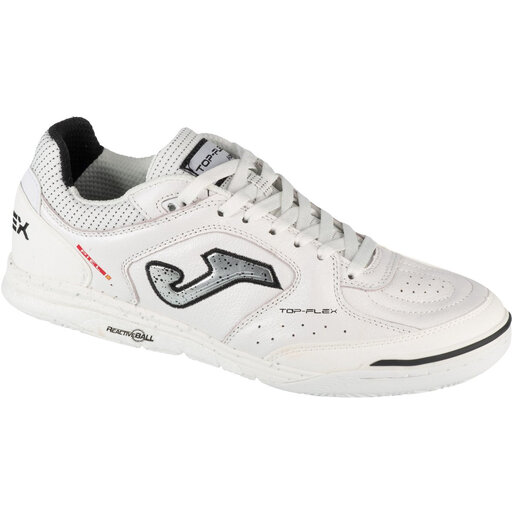
Why it suits this profile: This indoor football shoe is specifically marked for indoor use and has a regular fit.
The non-marking rubber sole and the advice to use the shoe indoors only make its intended use clear.
EVA insole, reinforced toe, polyester upper and rubber indoor sole according to the product information.
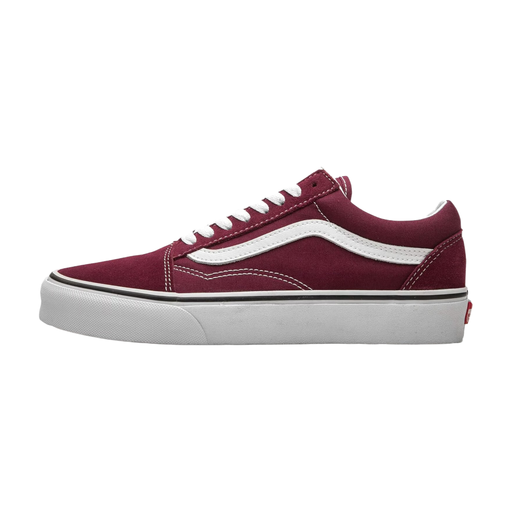
Why it suits this profile: A low-cut casual shoe with a textile upper and rubber sole for outfits, walking and everyday use.
The product description positions this model for everyday use, not as a running shoe. This helps prevent unsuitable use for intensive sport.
Textile upper, textile lining and rubber sole; according to the product information, impregnation is recommended before first use.
We have put together a complete, up-to-date list of products that fully meet these strict selection criteria and the applicable European safety regulations.
Measure both feet while standing, from the back of the heel to the furthest point of the toe. Use the larger measurement and compare it with the model’s size chart. Also check whether the manufacturer states that the fit is regular, narrow or wide.
Lifespan depends on use, surface, body weight and care. Sports shoes can wear down more quickly with intensive daily use. Look out for flattened tread, cracks in the upper, parts coming loose or a compressed midsole. Alternating between two pairs can extend the usable life of each pair.
You can, but it is not always practical. Running shoes often have a sole and fit designed for repeated running movements. For everyday use, trainers or casual shoes are usually the more sensible choice. Always choose based on your main activity and check that the sole is suitable for the surface you walk on.
