
Vandaag of morgen in huis

Kwaliteit gegarandeerd

Welkomstaanbiedingen ontgrendelen: GRATIS bezorging | Tot 80% korting | Gratis 30 dagen JoyPlus-proefperiode
Download de app
Choosing a new shampoo may seem simple, but marketing claims make it difficult to compare products fairly. Words such as “repairing”, “intensive” and “professional” only mean something when you also consider your hair type, the ingredients list, the size and the directions for use.
Different shampoos are suitable for dry, damaged, oily, curly, grey or long hair. Below, you can find out what to look for and which popular options suit different needs.
A shampoo for hair loss or a repairing shampoo may sound appealing. However, a claim on the packaging does not automatically mean that the product has a medical or long-term effect. According to brands’ own product information, certain formulas may help care for the hair or scalp, but shampoo is not a substitute for medical advice in cases of persistent hair loss or scalp problems.
So look for information you can verify:
According to the product information, a vegan shampoo contains no animal-derived ingredients, but that does not automatically mean it is suitable for your scalp. A natural shampoo may also contain perfume or cleansing agents that not everyone finds comfortable.
If you want to use less plastic, you could consider a plastic-free shampoo bar. Pay attention to its weight, how it should be stored and how it lathers. A 70 g bar is used differently from a 400 ml bottle.
A shampoo for oily hair or a detox shampoo can remove excess sebum and styling residue. However, with daily use, an intensive cleansing formula may feel less suitable for dry or porous hair. Choose the cleansing strength based on your scalp, not just on the length of your hair.
Your scalp mainly determines how often and how thoroughly you need to cleanse it. The lengths of your hair determine what type of care you need. For example, you may have an oilier scalp but dry ends. In that case, apply shampoo mainly to the scalp and use conditioner on the lengths.
Helpful guidelines:
Ingredients are listed in descending order of quantity. Sulphates such as sodium laureth sulfate or ammonium lauryl sulfate cleanse thoroughly, while sulphate-free formulas generally provide a different cleansing experience. Neither option is automatically suitable for everyone.
Also look out for:
Always check the ingredients on the packaging. Brands may change their formulations.
Do not compare bottle prices alone. A 200 ml, 400 ml or 1,500 ml shampoo has a different price per millilitre. A large professional shampoo may be cost-effective for a family or salon, but less practical if you use very little product or have limited storage space.
A shampoo bar has no liquid packaging, making it an interesting option if you want to reduce plastic use. Allow the bar to dry thoroughly after use; otherwise, you will get through it more quickly.
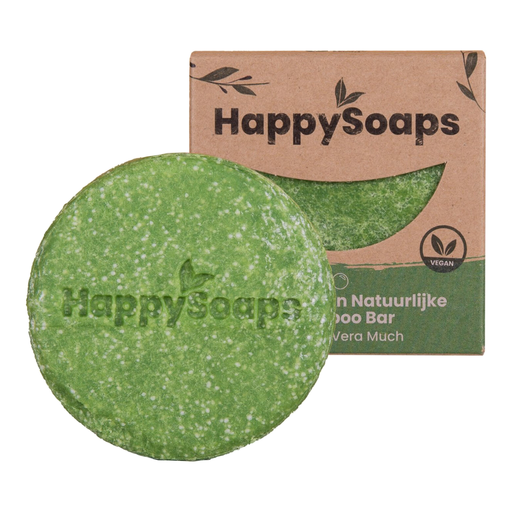
Why it suits this profile: This solid shampoo is intended for normal, oily and damaged hair. According to the product information, the bar contains ingredients including aloe vera, quinoa, shea butter and olive oil.
The product information states that it is 100% plastic-free and vegan. However, check the current packaging and store the bar somewhere dry to prevent unnecessary overuse.
70 g solid shampoo; according to the product details, vegan, paraben-free and suitable for normal, oily and damaged hair.
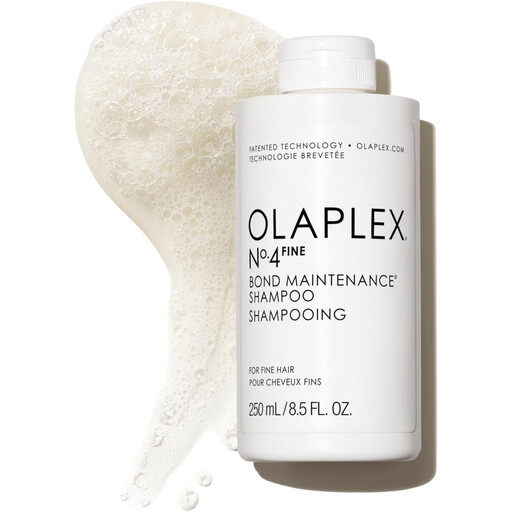
Why it suits this profile: The product description mentions support for fine hair, softness and shine. The formula is described as vegan, colour-safe and suitable for chemically treated hair.
The product information specifies that it is intended for fine and treated hair. Before buying, check whether the 250 ml size suits your usage and budget.
250 ml contents; according to the product description, vegan, colour-safe and dermatologically tested.
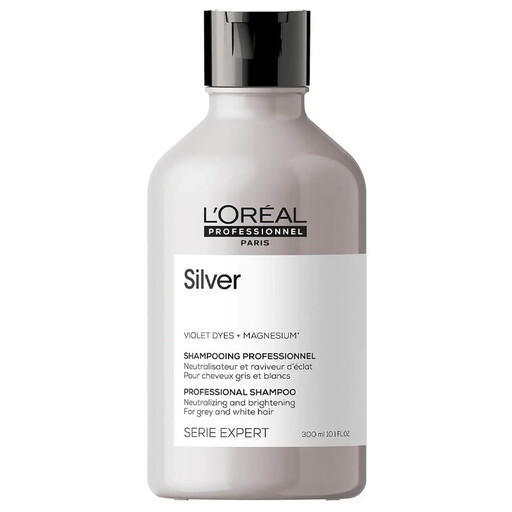
Why it suits this profile: According to the product information, this silver shampoo is intended for grey, white and light blonde hair. The formula contains violet pigments to neutralise yellow and brassy tones.
The target audience and application are clearly described. Do not leave the shampoo on for longer than indicated; leaving it to develop for too long may affect the perceived colour.
300 ml contents; violet pigments and a recommended processing time of 1 to 3 minutes according to the product description.
We have compiled a complete, up-to-date list of products that fully meet these strict selection criteria and the applicable European safety regulations.
First, wet your hair thoroughly and use a small amount of shampoo. Massage it mainly into the scalp and allow the lather to run through the lengths. Rinse thoroughly. If you use a lot of styling products, you may need to wash your hair twice, but intensive daily cleansing is not necessary for everyone.
Conditioner or a hair mask should usually be applied to the lengths, not the scalp. Store a shampoo bar away from standing water and close the bottle properly. Each time you buy a product, check the current ingredients, warnings, shelf life and directions for use on the packaging.
Look for a shampoo for dry hair or a shampoo for damaged hair containing caring ingredients such as glycerine, oils or proteins. Also use conditioner on the lengths. A heavy product can weigh down fine hair, so pay attention to how your hair feels once it has dried.
This depends on your scalp, perspiration, styling products and hair length. Oily hair may need washing more frequently, while dry or curly hair often feels better with less frequent washing. Wash your hair when your scalp feels oily or weighed down, and adjust the amount of product accordingly.
Silver shampoo is intended to visually neutralise unwanted yellow or brassy tones in grey, white or light blonde hair. It is not a shampoo for hair loss. If you experience noticeable or persistent hair loss, it is advisable to consult a doctor or another healthcare professional.
