
Vandaag of morgen in huis

Kwaliteit gegarandeerd

Welkomstaanbiedingen ontgrendelen: GRATIS bezorging | Tot 80% korting | Gratis 30 dagen JoyPlus-proefperiode
Download de app
Choosing the right sanitary pads isn’t just about the brand or the number of drops on the pack. Length, fit, wings, absorbent core and materials all affect how comfortable a pad feels. If you focus only on terms such as “ultra”, “freshness” or “extra protection”, you could still end up with pads that shift, leak or irritate your skin.
Look out for these common pitfalls:
Choose a size to suit your period and when you’ll be using it. Regular or ultra-thin pads may be enough for light to moderate days. For a heavy period, practical things to look for include a longer version, a wider back and an absorbent core.
Bear in mind that sizes aren’t fully standardised across brands. “Normal”, “Long”, “Night” and size numbers can vary from one brand to another. Compare the product description and shape, rather than relying on the name alone.
Sanitary pads for heavy periods often have:
Product descriptions may include claims about absorbency. According to the manufacturer, the absorbent gel in certain Always versions turns moisture into gel. Check the packaging for the latest information on ingredients and how to use the product.
Sanitary pads with wings fold around the sides of your underwear and can help keep the pad in place. How well they work depends on the size of your underwear, the adhesive strip and your body shape.
A close-fitting shape can feel comfortable during the day when walking or cycling. At night, a longer back and secure fastening are particularly useful. According to its product description, some Libresse products use a SecureFit shape with a specially designed front and back. This is a product specification, not a guarantee that the fit will suit everyone.
If you have sensitive skin, it may be worth looking for:
Check the materials to see whether organic cotton sanitary pads really contain organic cotton. Always Cotton Protection is described as having a top sheet made from 100% organic cotton, with no perfume, dyes or chlorine bleaching agents. Always Ultra Normal, on the other hand, is described as having a top sheet that feels soft like cotton but contains no cotton.
Stop using the product if irritation occurs. Use sanitary pads externally only, change them regularly and follow the instructions on the packaging.
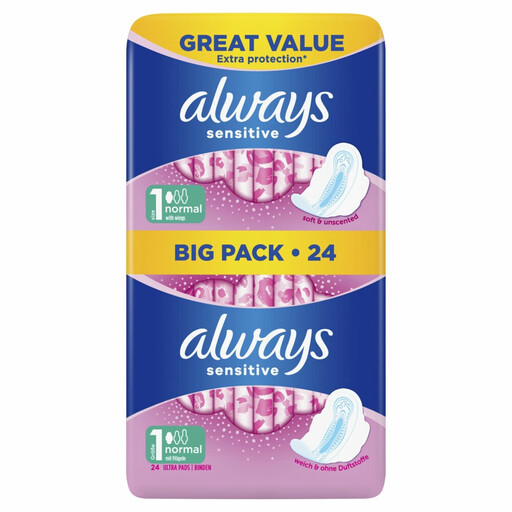
Why it suits this profile: A thin daytime option in a 24-pack is practical if you have a light to moderate period and want to carry several pads with you.
The product description specifically mentions an ultra-thin shape, wings and an absorbent core. Do check that Size 1 is right for your period days.
24 pads per pack, wings and, according to the product specifications, no perfume.
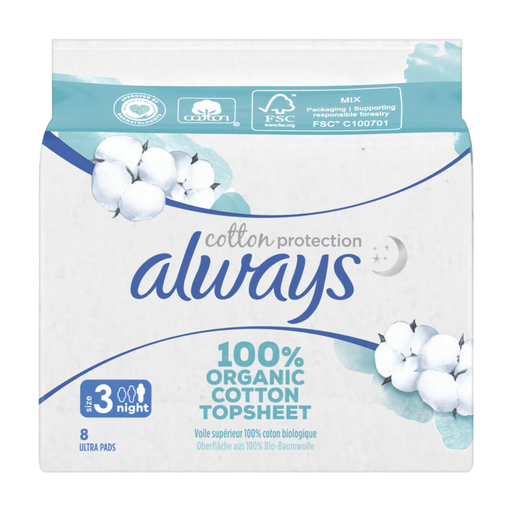
Why it suits this profile: Designed for those who want to combine a cotton top sheet with a longer night-time pad and wings.
The specifications state that it has 100% organic cotton, no perfume, dyes or chlorine bleaching agents, and is a night-time pad with wings.
Cotton top sheet, absorbent gel core and eight individually wrapped pads, according to the product information.
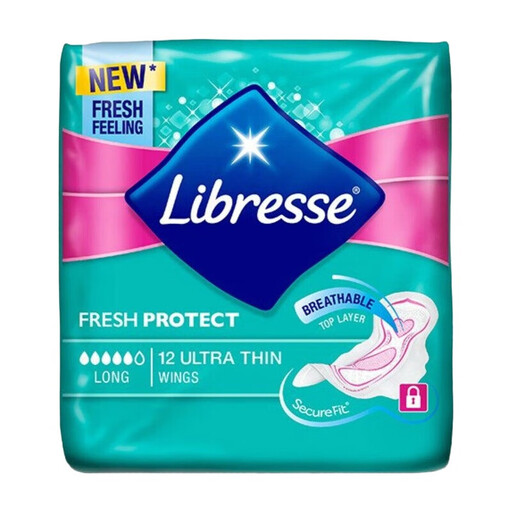
Why it suits this profile: A long version for days when extra coverage and a secure fit matter more than having the smallest possible pad.
The product description mentions extra length, wings, a specially designed front and back, and a fast-absorbing core.
12 long pads, fragrance-free according to the product information, and designed to provide extra coverage.
We’ve put together a complete, up-to-date list of products that meet these strict selection criteria and the applicable European safety regulations.
How often you should change it varies by product and by day of your period. Many product packs recommend changing pads regularly, often around every four to six hours. If you have a heavy period or the pad is saturated, you’ll need to change it sooner. Always follow the instructions on the packaging and don’t wear a pad for longer than recommended.
Choose night-time sanitary pads with extra length, a wider back and wings. If you have heavy bleeding, an extra-long version may be more practical than a regular daytime pad. Also consider your sleeping position and how the pad fits your underwear. No product can prevent leaks in every situation.
Store sanitary pads in a cool, dry place, preferably in their original packaging. Avoid damp areas and direct sunlight. When you buy them, check the packaging for damage and read the latest information on materials, shelf life and instructions before using the product.
