
Vandaag of morgen in huis

Kwaliteit gegarandeerd

Welkomstaanbiedingen ontgrendelen: GRATIS bezorging | Tot 80% korting | Gratis 30 dagen JoyPlus-proefperiode
Download de app
A good mat is an unsung hero in the home. It keeps dirt out, prevents slips, protects your floor, or adds that perfect finishing touch to a room. But the search for the right mat can be surprisingly tricky. The market is filled with products that make big promises but don't always deliver. Before you make a choice, it's wise to know what to look for to avoid your purchase needing replacement after just a few months.
Many mats look great in the store or online but quickly show their flaws in practice. Watch out for these common problems:
To avoid a bad purchase, it's helpful to look at a few concrete specifications. These determine the functionality and lifespan of your mat.
The underside of the mat is perhaps the most important part, especially when it comes to safety.
The top layer determines the function and appearance.
Not every mat is suitable for every situation. Below are a few popular choices, matched to specific needs.
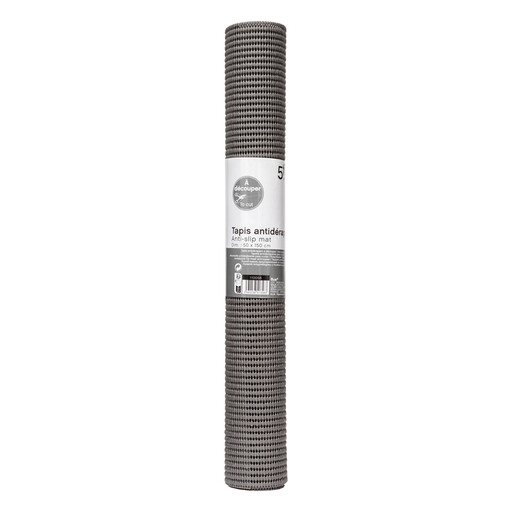
Why it's a match: For those who already have a beautiful rug but are annoyed by it sliding around. This underlay is a purely functional solution that immediately increases safety at home without altering the interior design. Ideal for under runners in the hallway or rugs on a smooth floor.
This product directly tackles the "sliding non-slip mat" pitfall. Instead of relying on the backing of a decorative rug, you add a specialised PVC layer specifically designed for grip.
The mat can be cut to size. This makes it usable for rugs and mats of various dimensions, from a bath mat to a hallway runner.
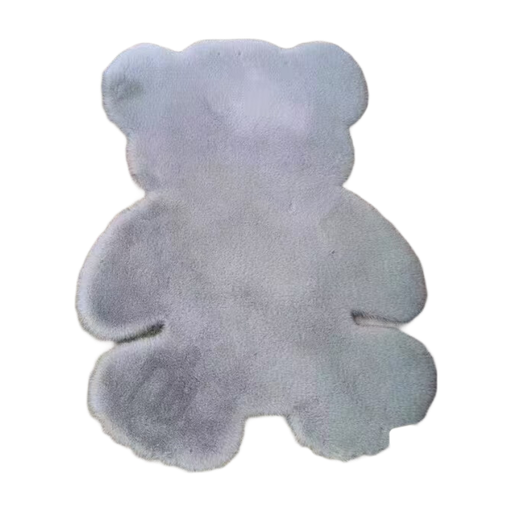
Why it's a match: This is a perfect example of a functional and decorative item. It serves as a soft play mat in a child's room or playroom and adds a playful element to the decor. The soft top is comfortable for children to play on.
This rug combines a soft top with a practical, sturdy non-slip backing. This prevents the rug from sliding during play, which increases safety. It's a deliberate design choice that bypasses the "sliding mat" pitfall.
The faux rabbit fur material is very soft and comfortable. According to the manufacturer NINGBO COSEEDA, maintenance is simple with regular vacuuming or spot cleaning.
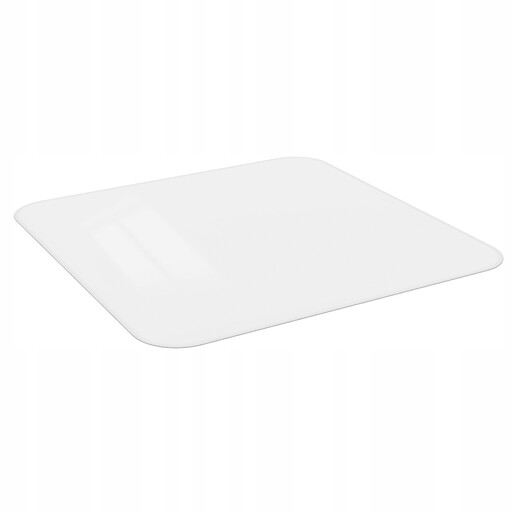
Why it's a match: This floor protector is designed for one specific purpose: preventing wear and tear from an office chair. It's a practical investment to preserve the value of your laminate or carpet flooring, especially in a home office with a lot of movement.
This product tackles the pitfall of rapid wear. According to the manufacturer vidaXL, the mat is tear, curl, break, and scratch-resistant. This is essential for an office chair mat that is used intensively every day.
The mat has a dual function: the underside has a special texture to reduce movement, while the top has a non-slip surface on which the chair wheels can roll smoothly.
Whether you're looking for a functional doormat, a comfortable yoga mat, or a stylish rug, the right choice depends on your specific situation. Check out our full range for more possibilities.
1. How do I clean a non-slip mat without losing its grip? Maintenance depends on the material. For most mats with a PVC or rubber backing, cleaning with a damp cloth and a mild detergent is sufficient. Avoid harsh chemicals, as they can degrade the material. Ensure both the floor and the mat are completely dry before putting it back to maintain grip and prevent mould growth.
2. Can I place a rug on a floor with underfloor heating? This is an important consideration. Always check the manufacturer's product information. Some materials, especially thick rubber or latex backings, can insulate heat and reduce the efficiency of the underfloor heating or even cause damage. There are special underlays available that are suitable for underfloor heating.
3. What is the difference between an office chair mat for carpet and for a hard floor? An office chair mat for carpet often has small studs or anchors on the underside that grip the carpet to prevent sliding. A mat for a hard floor (like wood, laminate, or PVC) has a smooth but textured underside that protects the floor from scratches and stays in place without damaging the floor. Using the wrong type can be counterproductive.
