
Vandaag of morgen in huis

Kwaliteit gegarandeerd

Welkomstaanbiedingen ontgrendelen: GRATIS bezorging | Tot 80% korting | Gratis 30 dagen JoyPlus-proefperiode
Download de app
The shelves are packed with jars, sachets, and bottles, all promising "curry." But the sweet curry sauce served with a snack is worlds apart from the aromatic base of an authentic Thai meal. The wrong choice can quickly lead to a disappointing dish. Many products lure you in with vague terms like "authentic" or hide an unnecessary amount of sugar.
This guide will help you find the right curry for your dish, whether you want to spice up a quick snack or cook a full meal from scratch. We'll cover the common pitfalls and the key features to look for.
Before you put anything in your basket, it's wise to be aware of a few common misconceptions that can lead to a purchase you'll regret.
To choose the right curry, it helps to understand three basic characteristics: its form, its origin, and its ingredients.
The form of the product determines how you use it and for which dish it is suitable.
The geographical origin is the most important indicator of taste.
Based on these characteristics, we have selected a number of products that suit different needs and cooking styles.
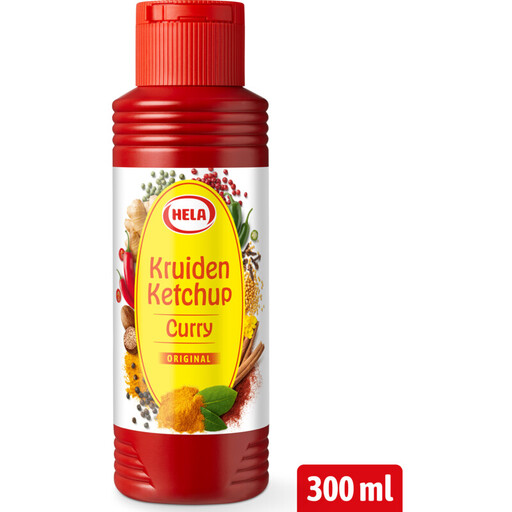
Why it's a match: This is the classic sweet and spicy curry sauce that is essential for specialty fries, snacks, or a toasted sandwich. It is purely intended as a condiment and is perfect for those seeking that specific, recognisable flavour.
This product bypasses the "one-size-fits-all" trap. It is clearly a snack sauce and doesn't pretend to be a base for a hot meal. You know exactly what you're getting.
The classic flavour that many people know and love. According to the manufacturer, the product is gluten-free, lactose-free, and vegan.
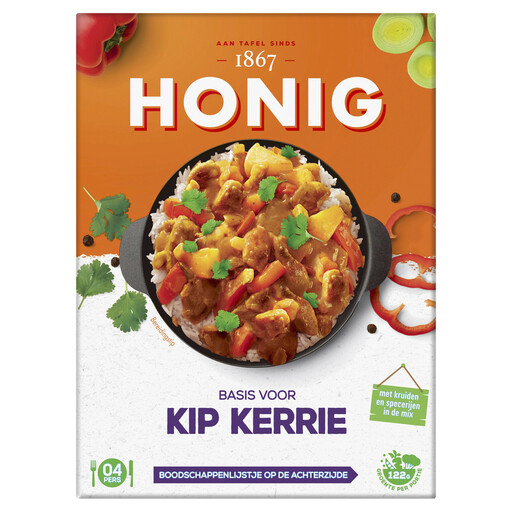
Why it's a match: Ideal for anyone who wants to put a tasty meal on the table quickly and without fuss. This mix is specially developed for making chicken curry and provides clear instructions for a predictable and delicious result.
This product avoids the "authentic" marketing trap. It's honest about what it is: a convenient base for a Western-style chicken curry, not a complex Asian meal.
Convenience and speed. According to the packaging, the meal is ready in 20 minutes, and the required fresh ingredients are clearly listed.
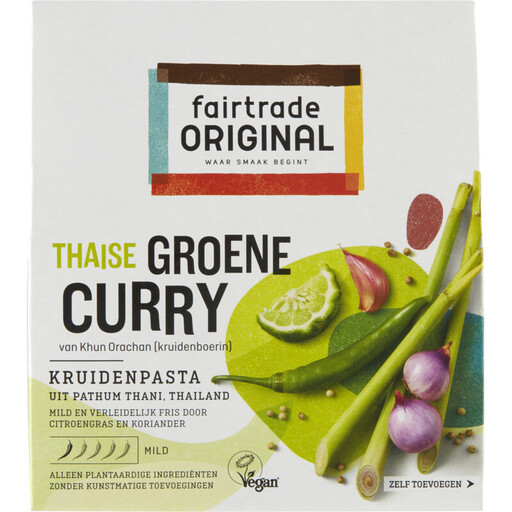
Why it's a match: For those who want to prepare a genuine Thai curry, a good green curry paste is key. This product contains the signature ingredients like lemongrass, galangal, and kaffir lime, which form the basis for a dish with depth of flavour.
This product isn't a vague "curry," but a specific Thai green curry paste. The ingredient list confirms its origin and gives you the control to create a dish that tastes the way it should.
According to the manufacturer, the paste is prepared and packaged in Thailand, which helps to preserve its original flavour. It contains only plant-based ingredients and no artificial additives.
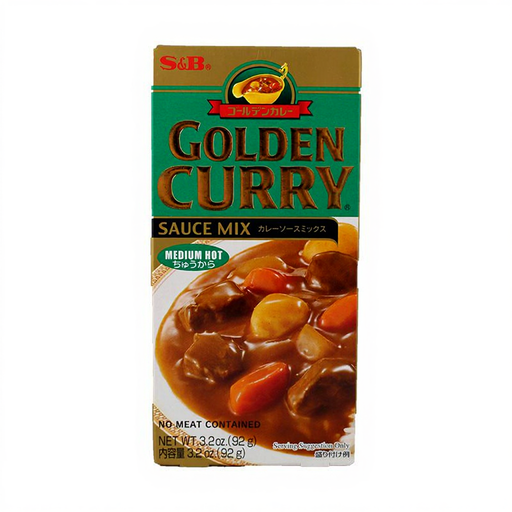
Why it's a match: For those who want to experience the unique, mildly sweet, and thick sauce of a Japanese curry. These roux blocks are the standard in Japanese households and make it easy to prepare this comfort food at home.
This product prevents confusion by clearly being a Japanese curry. The flavour is incomparable to Thai or Indian varieties, ensuring you get exactly what you expect from this specific dish.
Extremely user-friendly. You just need to add the block to a stew of meat and vegetables to create a rich, thick sauce. Ideal for a quick and filling meal.
We've compiled a complete, up-to-date list of products that meet these selection criteria.
The main difference is texture and usage. Curry paste is a wet, concentrated paste of fresh and dried ingredients, typical of Southeast Asian cuisine (like Thai curry). You dissolve it in a liquid such as coconut milk. Curry powder is a dry mix of ground spices, widely used in Indian cuisine. You often need to briefly sauté this powder in oil to activate the flavours.
Accidentally made your curry too spicy? You can temper the heat by adding more creamy or sweet ingredients. An extra splash of coconut milk, a spoonful of (plant-based) yoghurt, or a little sugar can help. Adding starchy vegetables like potatoes or sweet potatoes also absorbs some of the spiciness. For next time: start with less curry paste or powder than the recipe calls for and add more to taste.
No, this is a common point of confusion. Hela curry is a sweet, spiced, tomato-based sauce intended as a condiment for fries, snacks, and toasted sandwiches. It is not designed to be used as a base for a hot meal. To cook a curry dish, you should use a curry paste, boemboe, curry powder, or a specific dinner mix.
