
Vandaag of morgen in huis

Kwaliteit gegarandeerd

Welkomstaanbiedingen ontgrendelen: GRATIS bezorging | Tot 80% korting | Gratis 30 dagen JoyPlus-proefperiode
Download de app
As a Product Recommendation Officer at Joybuy, I see daily how people feel overwhelmed by the sheer number of options. The shelves, both online and offline, are packed with rice, noodles, and pasta. The packaging promises authentic flavours and perfect results, but the reality is often different. Before you know it, you've bought the wrong type, and your risotto ends up as a watery rice pudding or your ph? with sticky noodles.
Let's look at a few common pitfalls so your next purchase hits the mark.
You don't need to be a culinary specialist to avoid these mistakes. Pay attention to a few simple, objective characteristics. This will help you make the right choice for your dish and dietary needs.
Rice isn't just rice. The type of grain determines the texture of your dish.
The ingredients list is your best friend, especially if you're looking for something specific.
Always check the recommended cooking time on the package. Some dried Asian noodles only need to be soaked in hot water for a few minutes, while others need to be boiled for 10-15 minutes. This can make a big difference when you want to get a quick meal on the table.
To help you get started, we've highlighted a few products that suit different cooking styles and needs.
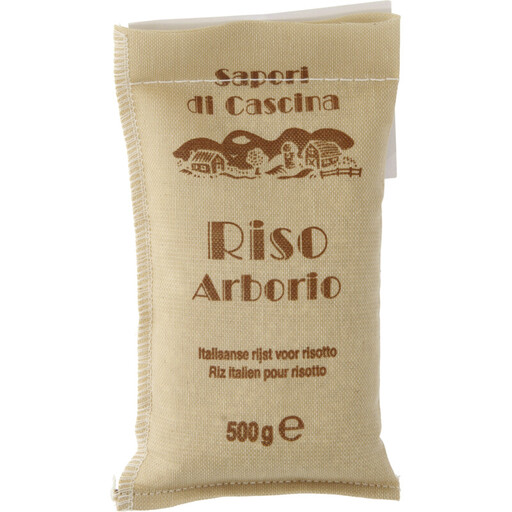
Why This Fits Their Persona: For those who want to make an authentic, creamy risotto, the choice of rice is crucial. This is the classic risotto rice that does exactly what's needed for that perfect result.
This product prevents the mistake of using a random long-grain rice. The "Arborio" specification guarantees a high starch content for the signature creaminess.
100% Italian Arborio rice. The large grain cooks to be soft on the outside while the core retains a 'bite'.
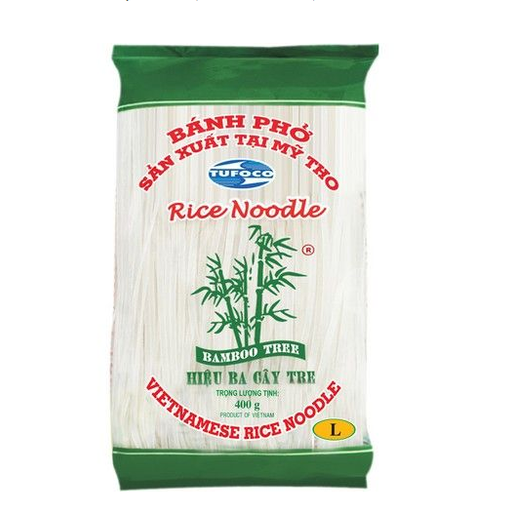
Why This Fits Their Persona: Perfect for those who want to make an authentic Vietnamese ph? or a bun salad at home. These rice noodles have the right thickness and texture characteristic of Vietnamese cuisine.
Instead of a generic "Asian noodle," this is a product from a Vietnamese brand, made from Vietnamese rice. This ensures the right foundation for your dish.
Simple ingredients list (rice, tapioca, water) and a 5 mm thickness, ideal for soups and salads where the noodle needs to maintain its structure.
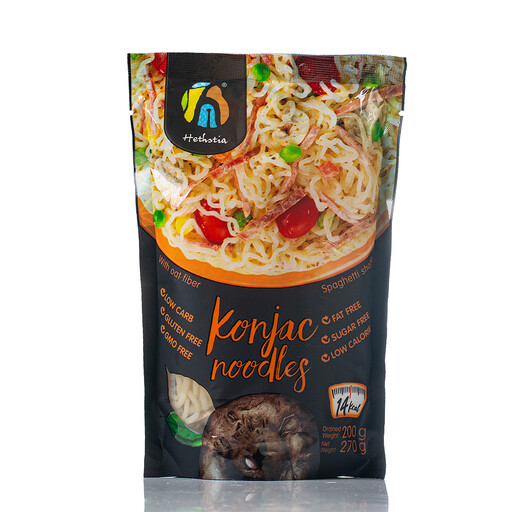
Why This Fits Their Persona: These konjac noodles are a great solution for those following a low-carb, keto, or paleo diet. They offer an alternative to traditional pasta without the carbs and calories.
A common complaint about konjac is its rubbery texture. According to the manufacturer Hethstia, the addition of oat flour provides a more pleasant, fuller texture that doesn't turn mushy.
Extremely low in calories (14 kcal per 100g) and carbohydrates (3.5g per 100g). Preparation is simple: rinse and cook for a few minutes.
We've compiled a complete, up-to-date list of products that meet these objective selection criteria and current regulations.
1. What is the difference between basmati and jasmine rice? Although both are long-grain, aromatic rice varieties, there is a clear difference. Basmati rice has a drier, fluffier texture and a nutty aroma, and the grains elongate when cooked. Jasmine rice is slightly stickier and has a softer, more floral aroma. Basmati is popular in Indian and Pakistani cuisine, while jasmine rice is widely used in Southeast Asian dishes.
2. How do I prevent my rice noodles from sticking together? A common problem. The solution is simple: rinse the rice noodles with cold water immediately after cooking or soaking. This stops the cooking process and washes away the excess starch that causes sticking. Mixing in a little oil also helps if you're not serving them right away.
3. Are konjac noodles really a good substitute for pasta? That depends on your expectations. In terms of texture and taste, konjac noodles are not identical to traditional wheat pasta. They have a more neutral flavour and a firmer, sometimes somewhat gel-like bite. However, they are an excellent vehicle for sauces and other flavours in a dish, providing a functional, low-carb base for those looking to avoid pasta. The variants with added oat flour, like those from Hethstia, come closer to the texture of traditional pasta.
