
Vandaag of morgen in huis

Kwaliteit gegarandeerd

Welkomstaanbiedingen ontgrendelen: GRATIS bezorging | Tot 80% korting | Gratis 30 dagen JoyPlus-proefperiode
Download de app
Picking out a new refrigerator seems simple, until you dive into the specifications. Manufacturers advertise smart features and shiny energy labels, but what really matters? Many people fall into the same traps: they buy a model that's too large, too noisy, or impractical for their situation. Before you make a decision, it's wise to know what to look for to avoid wasting money on features you don't need or, worse, on an appliance that needs replacing after just a few years.
Marketing terms can be confusing. Let's look at three common missteps that you can easily avoid.
To make the right choice, focus on a few objective specifications that truly make a difference in daily use.
Based on specifications and use cases, we have selected a few models that suit different needs.
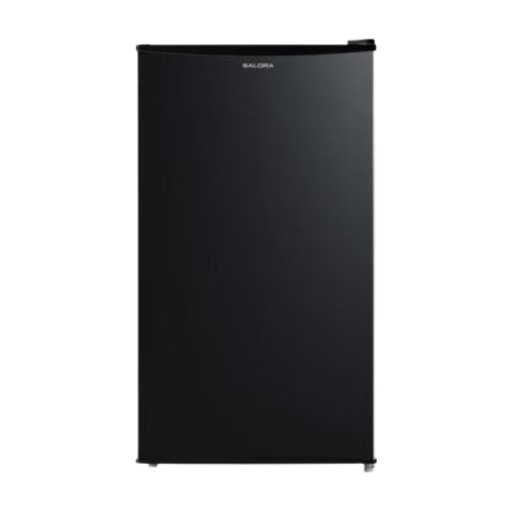
Why This Fits Their Persona: Ideal for a student room, office, or as an extra fridge. The compact size fits anywhere, and the 68-litre capacity is spacious enough for basic groceries, drinks, and a few frozen items.
This model doesn't pretend to be a high-end appliance. The noise level of 41 dB is honestly specified and acceptable for a secondary fridge, rather than an unrealistic 'quiet' promise.
Practical 4-star freezer compartment of 12 litres for freezing small portions. The reversible door makes placement in tight spaces much easier.
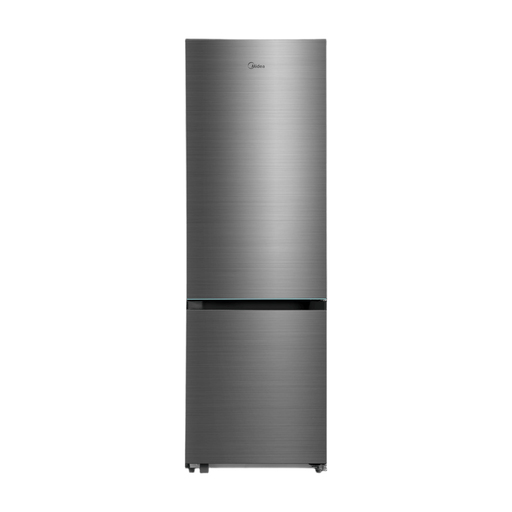
Why This Fits Their Persona: With 330 litres of total capacity (232L fridge, 98L freezer), there's plenty of room for a family's weekly groceries. The No Frost technology saves time and effort, which is ideal for a busy household.
Addresses the noise pitfall with a specified sound level of just 35 dB (noise class B). This is an objectively quiet refrigerator, perfect for a modern open-plan kitchen where life happens.
Combines a large capacity with key convenience features: a very quiet refrigerator, No Frost technology, and an electronic control panel for precise temperature regulation.
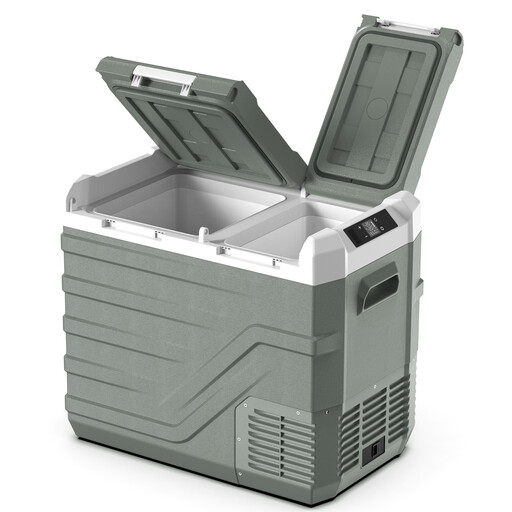
Why This Fits Their Persona: For those on the road in a camper, boat, or truck who don't want to depend on campsite shops. This cooler can truly freeze, allowing you to bring meals and drinks for long journeys.
This is a compressor cooler, not a thermoelectric one. It avoids the pitfall of a 'cooler' that doesn't get cold enough on a hot day. It delivers freezing performance, regardless of the outside temperature.
Two independently controllable zones (cool and freeze simultaneously). Works on 12V/24V DC and 100-240V AC, so it can be used in the car, at the campsite, or at home.
We have compiled a complete, up-to-date list of products that meet these strict selection criteria.
This depends heavily on the size, type, and energy label. A modern, average-sized fridge-freezer with a current D energy label consumes approximately 200-250 kWh per year. A compact tabletop refrigerator with an E label might use around 140 kWh. It's always wise to check the specific 'kWh/annum' figure on the product's energy label rather than just looking at the letter grade.
A refrigerator lasts for about 10 to 15 years on average. The lifespan depends on the quality of the brand, the intensity of use, and maintenance. Regularly cleaning the dust from the back (if the condenser is exposed) and keeping the door seals clean can improve efficiency and extend its lifespan.
Not necessary, but very convenient. It prevents ice from forming in the freezer section, which means you never have to defrost the appliance manually. This not only saves you a tedious chore but also ensures a more consistent temperature and more efficient operation, as ice reduces cooling performance. For most people, the convenience is worth the extra cost.
