
Vandaag of morgen in huis

Kwaliteit gegarandeerd

Welkomstaanbiedingen ontgrendelen: GRATIS bezorging | Tot 80% korting | Gratis 30 dagen JoyPlus-proefperiode
Download de app
Red dates, also known as Chinese red dates or jujube, are available as soft dried fruit, crunchy snacks, stuffed date balls or instant breakfast products. This wide range can make choosing a little tricky. A packet with words like “pure”, “natural” or “nutritious” doesn’t tell you much about the ingredients, preparation or how to use it.
Pay particular attention to three common pitfalls:
First, look at the ingredients list and the quantitative ingredient declaration. For example, Haoxiangni Hongxiao pie contains at least 45% red dates, 25% black sesame and 7% walnuts, along with maltose syrup. This isn’t a pure fruit product, but a composite snack with a distinct sesame and nut flavour.
For dates with black sesame, date balls and chocolate-coated dates, watch out for allergens such as sesame, milk, soya and nuts. Also check the packaging if you have food allergies, because product information or manufacturing conditions can change.
For eating straight away, soft, pitted dates are the most practical. They work well with tea, porridge, desserts and as a snack. A product with whole fruit may still contain stones, so always check whether “pitted” actually appears on the label.
Crunchy dates are usually processed to give a dry, airy bite. According to the product information, Haoxiangni Crispy Red Dates contains 80% winter jujube and 20% palm oil. This gives a different nutritional profile to dried red dates without oil. If you’re after a soft, chewy texture, it’s better to choose a pure jujube product.
Portion packs are handy for work, school or on the go. The Haoxiangni ready-to-eat red dates come as 30 sachets of 30 grams, while a 280-gram pack is more flexible for home use.
For breakfast cereals, preparation is key. Family Whole Red Dates Breakfast Powder uses sachets of 35 grams and is mixed with roughly 175 ml of boiling water. With products like these, check the amount of sugar, grains, milk powder and any added glucose. “Red date breakfast cereals” often contain only a small percentage of date powder; for a version with goji berries, that’s just 1% red date powder.

Why this fits the profile: A straightforward pack of 100% jujube with no listed additives. Ideal for getting to know soft, pitted Chinese red dates.
The ingredients list states only jujube. The “pitted” label makes it easier to use, but always check the current packaging before buying.
280 grams, ready to eat and suitable for tea, soup and desserts. Per 100g: 343 kcal and 66.5g sugar according to the product information.
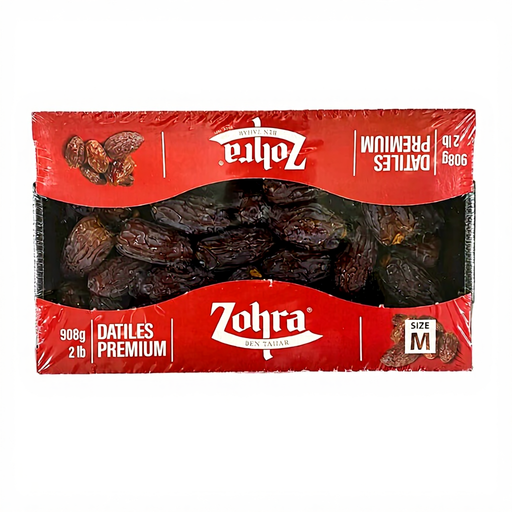
Why this fits the profile: A generous pack of dates from Turkey, ideal for everyday eating, baking or combining with yoghurt and porridge.
The ingredients list states dates. However, check on delivery whether the packaging gives the same information about stones and nutritional values.
908 grams, suitable for snacking and recipes. The product information mentions a shelf life of 330 days and storage in a cool, dry place.

Why this fits the profile: The 30 individual sachets of 30 grams suit households that use red dates often or want to take portions on the go.
The portions limit exposure to moisture after opening. Note: the product information states “with pits”; check this before eating.
900 grams total, ready to eat and suitable for tea, porridge, soup and desserts. The ingredients list states 100% red dates.
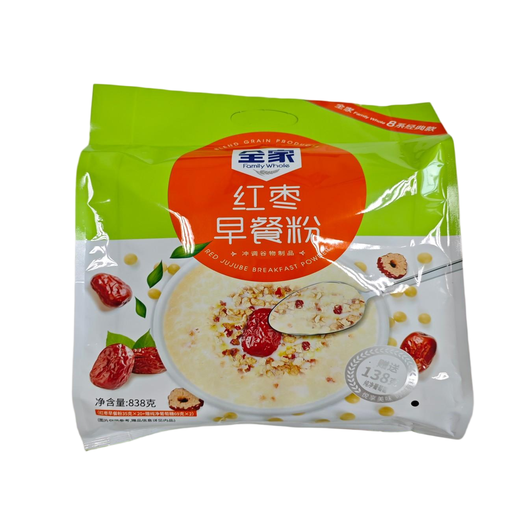
Why this fits the profile: Handy for a quick breakfast or a warm drink without chopping or cooking. The set contains 20 sachets of 35 grams.
The composition is clearly broken down: it includes 18% soya, 12.5% cornflakes and 4.5% red date. So it’s a grain mix, not a bag of pure dates.
Instant preparation with roughly 175 ml of boiling water. Contains oats, soya and milk; please be aware of these allergens.
We’ve put together a full, up-to-date list of products that fully meet these strict selection criteria and comply with current European safety regulations.
Store dried red dates in a cool, dry and dark place. Seal the packet well after opening and watch out for moisture. Soft dates can be chopped into pieces and mixed into porridge, yoghurt or desserts. For tea, soup and traditional Chinese dishes, whole jujubes are suitable, as long as the instructions say so.
Not every variety can be eaten raw. For example, HEYU Premium Jujube states that the fruit must first be washed and cooked. So always follow the preparation instructions on the packet.
No. Red dates usually refer to Chinese jujube. Medjool dates are a different type of date, often from countries such as Turkey. They differ in size, texture, flavour and use. Check the product name and ingredients list if you’re specifically looking for Chinese red dates.
For snacking straight away and adding to porridge or desserts, yes, usually. However, “pitted” is a product feature you need to check on the label. Whole red dates or dates for tea and soup may still contain stones.
The shelf life is printed on the packet and varies by product. Unopened packets can last for months; once opened, quality declines more quickly due to moisture and air. Store the product sealed and use it according to the instructions provided.
