
Vandaag of morgen in huis

Kwaliteit gegarandeerd

Welkomstaanbiedingen ontgrendelen: GRATIS bezorging | Tot 80% korting | Gratis 30 dagen JoyPlus-proefperiode
Download de app
Choosing a tub of protein powder may seem straightforward. Yet it is easy to end up paying for a product that does not suit your goal. For example, a low-calorie whey protein is not suitable if you struggle to consume enough energy. A mass gainer, on the other hand, may provide far more carbohydrates than you need if you simply want to top up your daily protein intake.
As a Joybuy Product Recommendation Officer, I filter product information by practical criteria: protein content per serving, calories, protein source, allergens, dosage and intended use. This allows you to compare products based on verifiable specifications rather than bold marketing claims.
A package may display a high number of grams of protein per serving, even though the serving itself is very large. A 30-gram scoop containing 24 grams of protein is not the same as a 334-gram serving containing 50 grams of protein. Always compare:
A standard whey product often contains around 20 to 25 grams of protein per shake. A mass gainer also contains large amounts of carbohydrates and calories.
Whey protein may consist of whey concentrate, whey isolate or a combination of the two. Whey isolate is generally more highly concentrated and, according to the product information, often contains less carbohydrate and fat. That does not automatically make it the wiser purchase for every athlete. If price per serving is your main priority, a whey blend may be perfectly adequate.
Check the source too. Whey and casein are dairy proteins, so they are not suitable for vegans. Vegan protein powder is usually based on ingredients such as pea and rice protein.
A mass gainer or weight gainer is designed to make it easier to increase your total calorie intake. The Serious Mass products in the range, for example, list around 50 grams of protein, 250 grams of carbohydrates and approximately 1,269 to 1,292 kcal per serving. The recommended serving is around 334 grams.
That can be practical for someone who struggles to eat enough, but it is a substantial amount for an ordinary protein shake. So look at your eating pattern first. If you simply want extra protein after training, a standard whey, whey isolate or plant-based protein will often be a better fit.
Choose your protein source based on your dietary preferences and when you intend to use it:
The authorised EU health claim states that protein contributes to the growth and maintenance of muscle mass. That is different from promising that a product will build muscle mass on its own. Training, diet, rest and individual circumstances remain decisive.
Do not look at protein alone. Also check energy, sugar, fat, carbohydrates and salt. The Optimum Nutrition Gold Standard Whey variants, for example, list approximately 24 grams of protein and around 112 to 119 kcal per serving, depending on the flavour and recipe. Applied Nutrition Critical Professional Whey lists 21 grams of protein and 110 kcal per 30-gram serving.
For a post-workout protein powder, a low sugar and fat content may be desirable. If you are trying to gain weight, however, the additional carbohydrates and calories in a mass gainer are more relevant.
Whey and casein contain milk. Many products also contain soya as an emulsifier or may contain traces of gluten, egg, peanuts and nuts. Applied Nutrition Critical Whey Caramel Latte also lists 100 mg of caffeine per 33-gram serving. This makes this flavour less suitable for children, pregnant women and people who want to avoid caffeine.
Also check the recommended amount of liquid. Standard whey is often mixed with 180 to 240 ml of water or milk. According to the product information, a plant-based Clear Protein may require around 600 ml of water. Use the packaging as a guide, particularly if the ingredients or dosage change later.
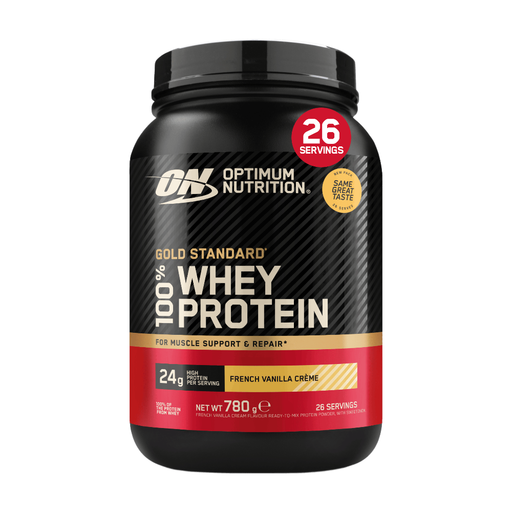
Why it suits this profile: A serving of around 32 grams provides approximately 24 grams of protein and 119 kcal. This makes it suitable as a simple post-workout protein shake or as a top-up during the day.
The nutritional information lists both the serving size and the protein content. This prevents you from mistaking a large serving for a high protein percentage.
Approximately 24 g of protein per serving, instant powder and the choice of mixing with water or milk. Contains milk and soya.
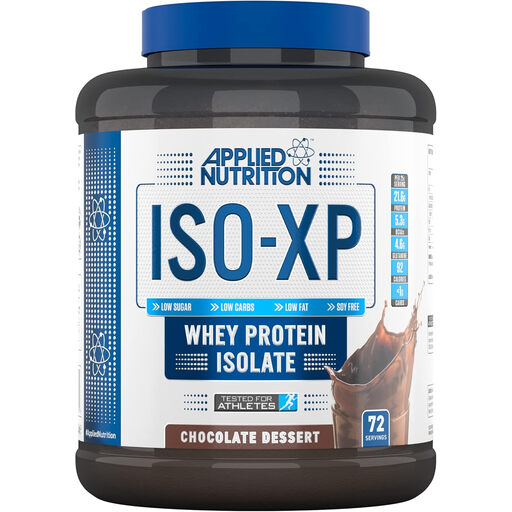
Why it suits this profile: This variant is aimed at athletes comparing a concentrated whey isolate with low carbohydrate and fat content.
The product information corrects the original claim of 95% protein to 90 g per 100 g based on the stated nutritional values. This is a useful check against exaggerated claims.
22.5 g of protein per 25 g serving, 0.1 g of carbohydrates and 0.4 g of fat per serving according to the product information.
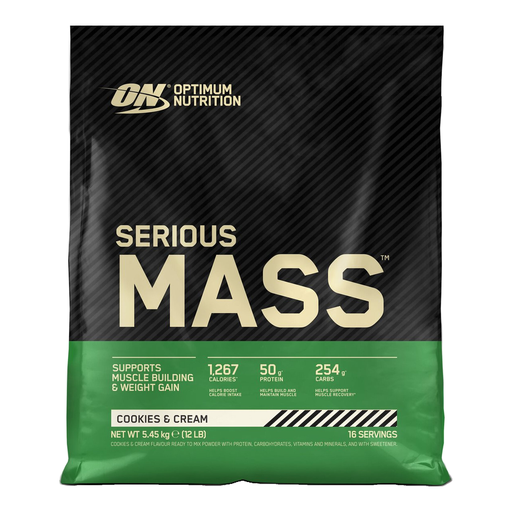
Why it suits this profile: This mass gainer is suitable for adults with high calorie requirements who struggle to consume enough energy through normal meals.
The large serving size and high calorie content are clearly stated. This makes it immediately clear that it is not an ordinary protein shake.
50 g of protein and approximately 250 g of carbohydrates per stated serving. Contains milk, gluten and egg; may contain soya, nuts and peanuts.
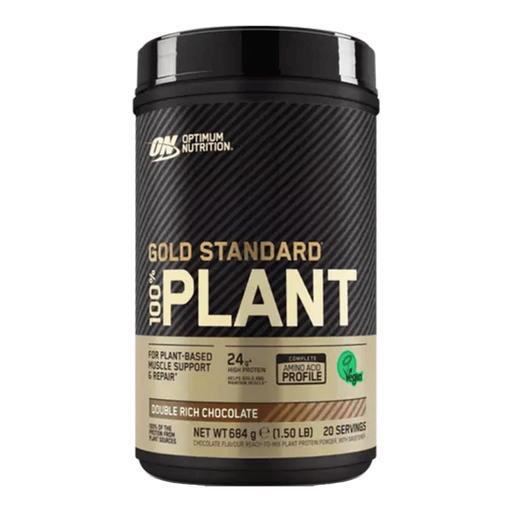
Why it suits this profile: The pea and rice protein blend is designed for vegans and vegetarians looking for a plant-based protein shake.
The ingredients list identifies pea and rice protein as the base. However, check the packaging for possible traces of milk, gluten, egg, soya, nuts and peanuts.
24 g of plant-based protein per serving according to the product information, with 20 servings per package.
We have put together a complete, up-to-date list of products that fully meet these strict selection criteria and the applicable European safety regulations.
You can use a protein shake after training as a practical way to top up your daily protein intake. The exact timing is less important than your overall diet throughout the day. Follow the dosage on the label and treat protein powder as a supplement, not a replacement for a varied diet.
This depends on the best-before date, storage conditions and type of product. Store protein powder in a cool, dry place away from direct sunlight. Close the package securely after each use and always follow the date and instructions on the label. If the smell, taste or texture changes noticeably, do not use the product.
The cost depends on the package size, protein source and number of servings. Divide the purchase price by the stated number of servings, then also compare the protein content per serving. A large package is not automatically better value if you buy a mass gainer when you only need extra protein.
