
Vandaag of morgen in huis

Kwaliteit gegarandeerd

Welkomstaanbiedingen ontgrendelen: GRATIS bezorging | Tot 80% korting | Gratis 30 dagen JoyPlus-proefperiode
Download de app
As a Joybuy Product Recommendation Officer, I often see people feeling overwhelmed by the sheer number of options when it comes to Port wine. The shelves are filled with bottles that all look impressive, but which one is truly right for your occasion? A poor choice not only leads to disappointment but is also a waste of your money. Let's uncover the most common pitfalls so you can choose the right bottle with confidence every time.
The biggest misconceptions often revolve around the following points:
You don't need to be a wine connoisseur to avoid a bad purchase. Pay attention to two simple but crucial factors: the style and the intended occasion.
This is the most important choice you'll make. The style determines the colour, aroma, and flavour.
Consider what you'll be using the Port for. This makes choosing a style much simpler.
Based on these criteria, we have selected a few popular choices that suit different profiles and moments.
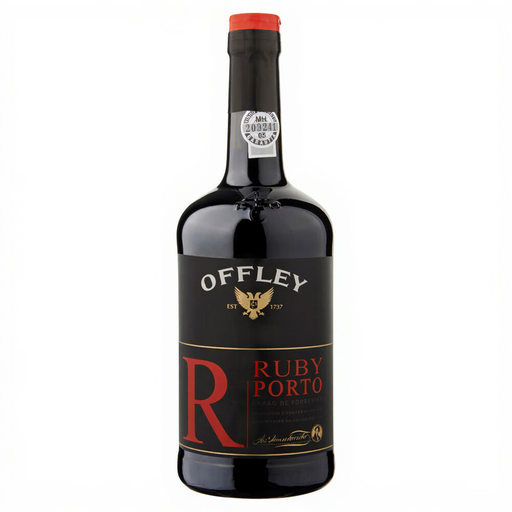
Why This Fits Their Persona: You're looking for a reliable, flavourful Port for after dinner or with a cheese board, without it being too complicated. This classic Ruby is approachable and versatile.
You are deliberately choosing a young, fruity style that is perfect for informal moments, instead of unnecessarily paying for an aged Port that might not suit the occasion.
Rich, sweet, and fruity flavour with notes of red berries and plums. A classic and reliable choice from a well-known Port house.
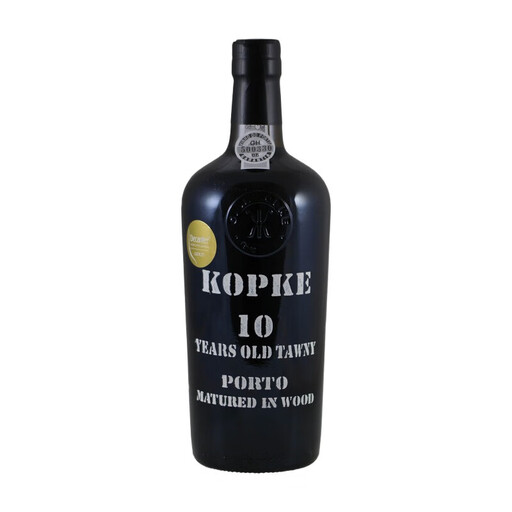
Why This Fits Their Persona: You are looking for depth and complexity for a quiet moment of enjoyment after a meal or with a serious cheese board. A Port with a clear age statement offers that guarantee.
This is a deliberate choice for an aged style (Tawny) rather than just buying any 'old' Port. The 10-year maturation in oak guarantees a specific, nutty flavour profile.
Complex flavour profile with notes of dried fruit, nuts, and a hint of spice. From Kopke, the oldest Port house, which stands for tradition and quality.
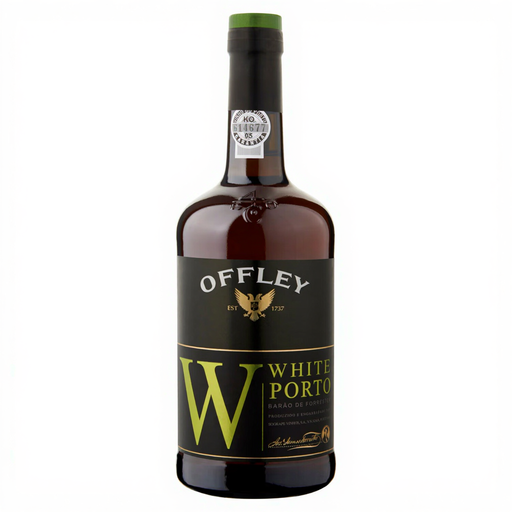
Why This Fits Their Persona: You want something different from the standard white wine or rosé for pre-dinner drinks. This white Port is a surprising and refreshing aperitif, perfect for the patio or with light snacks.
This shatters the misconception that Port is only a heavy, winter drink. You'll discover the light, fresh, and versatile side of this classic fortified wine.
Intense aroma with notes of flowers, apricot, and peach. Versatile: serve chilled, with ice, or as the base for a refreshing Port-Tonic.
We have compiled a complete, up-to-date list of products that fully meet these strict selection criteria.
This depends heavily on the style. An opened bottle of Ruby or white Port is best stored in the refrigerator, where it will stay good for about 1 to 2 weeks. A Tawny Port, especially an older one, has already had more contact with oxygen during its maturation and is therefore more stable. After opening, it will easily last for 3 to 4 weeks (or even longer) if stored in a cool, dark place with the cork back in.
Port is a specific type of fortified wine that can only come from the Douro Valley in Portugal. The unique process involves stopping the fermentation of the grapes by adding a neutral grape spirit. This allows the wine to retain its natural sugars (which makes it sweet) and gives it a higher alcohol content (usually around 19-20%). Other dessert wines are made in different ways (for example, with dried or frozen grapes) and are not necessarily fortified.
The serving temperature is crucial for the taste experience.
