
Vandaag of morgen in huis

Kwaliteit gegarandeerd

Welkomstaanbiedingen ontgrendelen: GRATIS bezorging | Tot 80% korting | Gratis 30 dagen JoyPlus-proefperiode
Download de app
Choosing a bag of dry food or a tin of wet food might seem straightforward. However, products can vary significantly in their composition, nutritional value, portion size, and how they should be used. If you only focus on an appealing picture or words like “premium”, “natural”, or “grain-free”, you might end up paying more for a food that isn't necessarily a better match for your pet.
These tips will help UK dog and cat owners practically compare different pet foods.
Packaging that features chicken, beef, or fish on the front doesn't automatically mean it's the main ingredient. Always check the full list of ingredients. For example, with Felix Double the Tasty Beef and Chicken, the label states that beef and chicken each make up 2% of certain kibble pieces. The permitted wording therefore refers to the flavour, not a primary component.
Terms like dog meat and pet meat can also refer to different types of products. These could be complete foods, complementary foods, treats, or individual frozen items. It's therefore essential to first check the legal product name and the feeding instructions.
A meal for adult cats must be labelled as "complete food" if it's intended to provide all the necessary daily nutrients. Cat treats, dog snacks, and meat snacks are usually complementary foods. They are meant as a reward or a little extra and should not replace a full meal.
For instance, MeatyWay Chicken Thin Tenders state they are intended for intermittent or supplemental feeding only. Similarly, the Vitakraft Beef Stick is a complementary snack for dogs. Use these products sparingly; the instructions for Vitakraft note that treats should make up no more than 10% of your pet's daily calorie intake.
Grain-free pet food can be a good choice for a specific preference or dietary strategy, but "grain-free" doesn't automatically mean a product is suitable for every sensitive pet. If you suspect a food allergy, the full list of ingredients is more important than a single marketing term.
Hypoallergenic dog food also needs to be evaluated carefully. Check the protein source used and consult a vet if symptoms persist. A brand's product description might mention a sensitive formula, but this is not a medical guarantee.
Choose food that is appropriate for the species and life stage:
An adult cat has different nutritional needs from a kitten. Therefore, don't automatically give a product explicitly designed for adult cats to young animals.
Look for "complete food" or "complete pet food" on the packaging if you intend to use the product as a main meal. For treats, individual meats, and some meat specialities, the label will state that they are complementary.
Examples:
Where possible, compare the levels of crude protein, fat, fibre, ash, and moisture. With wet food, also note the higher moisture content and adjust the portion size according to the packaging.
Also important:
Marketing claims like "supports vitality" or "helps maintain a shiny coat" are part of product communication. A brand may list such properties based on its own research, but they are not a guaranteed medical effect. Therefore, base your choice primarily on verifiable data.
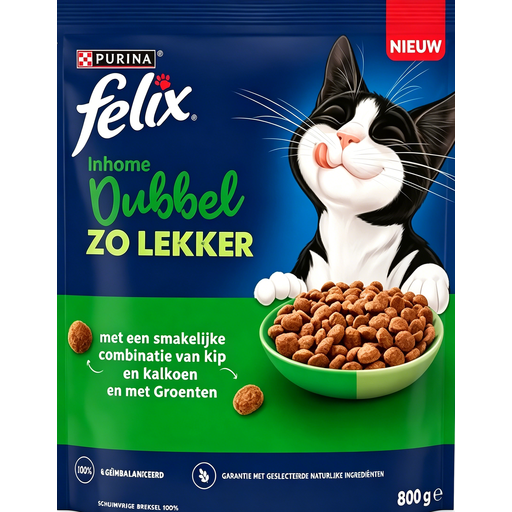
Why it's a good fit: A dry food for adult cats in an 800-gram bag. The two flavour varieties offer a bit of change without you needing to buy multiple bags.
The product information states that this is a complete food for adult cats and provides the composition and analytical values. This allows you to compare it based on facts rather than just the pictures of meat.
800 g of dry food, chicken and turkey flavour, no artificial colourings according to the product description, and easy to serve dry.
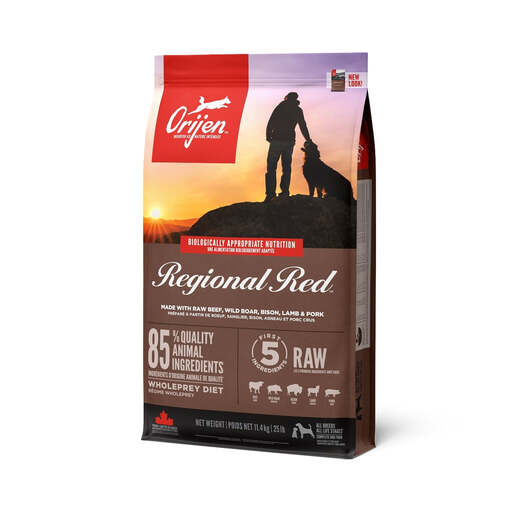
Why it's a good fit: For owners looking for a large bag with a detailed composition for their adult dogs.
The list includes percentages, analytical constituents, and a transition guide of 7 to 10 days. This shows you exactly which protein sources and nutritional values are provided.
11.4 kg bag, 38% crude protein, 18% crude fat, and a composition including beef, wild boar, lamb, and pork, according to the product data.
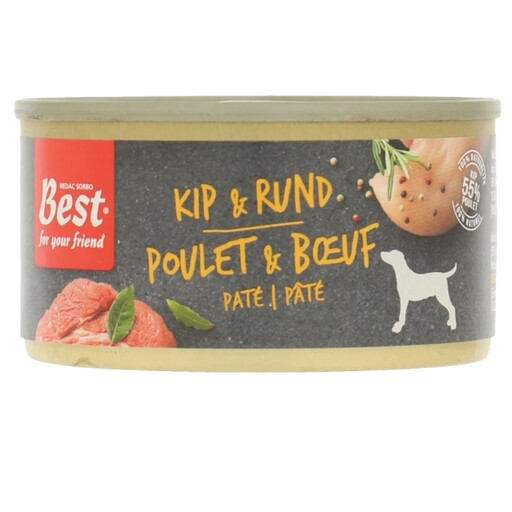
Why it's a good fit: Wet food for adult dogs with a soft pâté texture. It's useful for dogs that need soft food or for alternating between dry and wet food.
The product information specifies the target audience, ingredients, portion guidelines, and storage life after opening. This helps clarify the difference between a daily food and a simple treat.
Chicken and beef as listed ingredients, pâté texture, food for adult dogs, and can be stored in the fridge for up to 48 hours after opening, according to the product information.
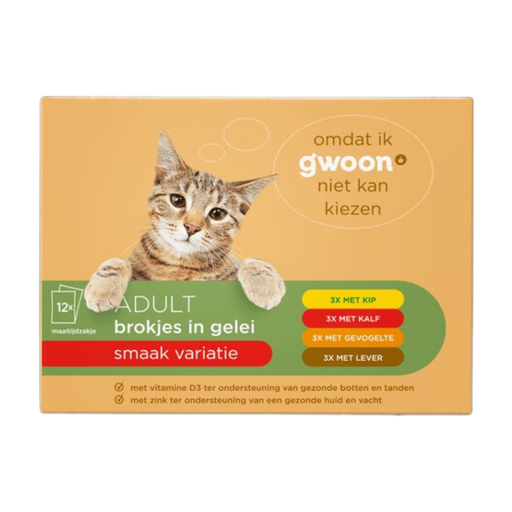
Why it's a good fit: A multipack with different meat flavours for cats that quickly get tired of a single variety.
The product description lists multiple meat flavours and states that the 14 major EU allergens are not present in the product. However, always check the current packaging before use.
Different varieties in one pack, tailored for cats according to the product description. The shelf-life information is on the packaging.
We have compiled a complete, up-to-date list of products that fully meet these strict selection criteria and comply with current European safety regulations.
Wet cat food and wet dog food typically contain a lot of moisture and are often served in single portions. This can be practical for pets that prefer softer food. Once opened, make sure to refrigerate it and follow the recommended use-by period.
Dry cat food and dry dog food have a longer shelf life after opening, provided they are sealed properly. It's easy to measure out and is suitable for households with fixed feeding times. Always provide plenty of fresh drinking water.
For a fussy eater, variety can help, but always change their food gradually. Keep an eye on their weight, appetite, and stools. For special dietary needs, it's wise to get personalised advice from a vet.
Follow the instructions on the label. For the Rosewood Dog Pâté and various g'woon products, it states that unused portions should be refrigerated and used within 48 hours. Do not leave wet food out at room temperature for extended periods.
No. Grain-free is a compositional choice, not a general requirement. Look at the full list of ingredients and the nutritional value. If you suspect an allergy, the cause should be determined in consultation with a vet.
Snacks and treats are complementary foods and should not replace a complete meal. Keep the quantity limited and factor it into their daily energy balance. Choose small, breakable treats if you reward your pet often, and always ensure fresh water is available.
