
Vandaag of morgen in huis

Kwaliteit gegarandeerd

Welkomstaanbiedingen ontgrendelen: GRATIS bezorging | Tot 80% korting | Gratis 30 dagen JoyPlus-proefperiode
Download de app
Dry, rough or chapped lips don’t always need the same kind of lip balm. A slim stick can be handy for everyday use on the go, while a richer balm may be better in cold winds or when your lips feel tight. Colour, shine, fragrance and SPF are also worth considering.
It’s easy to pay too much for a product that doesn’t suit how you use it. So don’t just look for words such as “intensive”, “repairing” or “natural”. Pay attention to the ingredients, texture, packaging and specific product details instead.
A vanilla, berry or rose fragrance can make applying lip balm more enjoyable, but it doesn’t tell you anything about its caring properties. Fragranced formulas may not suit everyone either. If your lips often feel tight or irritated, it may be best to start with a fragrance-free lip balm and check the ingredients list.
A glossy lip balm gives your lips an instantly smooth look. That doesn’t necessarily mean the formula will stay on your lips for long. A balm containing waxes, oils or petrolatum can form a protective layer, but how long it lasts also depends on eating, drinking, talking and the weather.
Terms such as “clinically proven”, “natural” and “vegan” are only useful when it’s clear what they mean. According to Laneige’s own research, lips feel softer and smoother within seven days of using Glowy Lip Balm. This is a brand claim, not a guarantee for every user. Also check whether a product is specifically labelled vegan, and look at the full INCI list.
For a lip balm for dry lips, the base and texture are particularly important:
An occlusive formula often feels richer. A lighter formula with oils and emollients may be more comfortable during the day or under lip colour. If your lips are chapped, it’s a good idea to choose a product that doesn’t sting and doesn’t have an unnecessarily complex fragrance formula.
Not every lip balm protects against the sun. If there’s no SPF rating on the packaging, don’t assume your lips are protected from UV rays. Labello Med Repair Protect+ SPF15 lists SPF15 and refers to protection against UVA and UVB rays. The product information says to reapply as needed, for example after eating or drinking.
An SPF lip balm is especially practical on sunny days, during winter sports or on longer bike rides. SPF doesn’t replace general sun protection, and how well it works depends on applying enough and reapplying regularly.
A tin is compact, but you’ll need to apply the balm with your finger. A stick or tube is more convenient on the go and keeps the product off your hands. Check the size too:
If you’d also like some colour, you could choose a tinted lip balm. If you’re mainly after shine, look for a glossy lip balm. These options combine lip care with a subtle make-up look, but don’t necessarily include SPF.
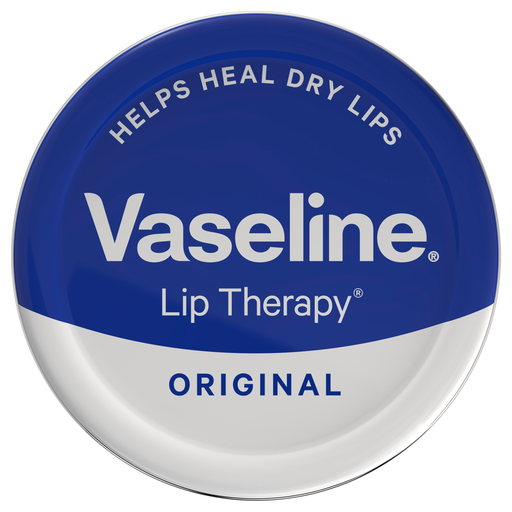
Why it suits this profile: A straightforward choice if you’re looking for a daily-use basic without colour, SPF or added fragrance.
The ingredients list shows petrolatum as the base. This variant makes no claims about colour, so it’s easy to compare with other options.
20 grams, a tin and a simple formula containing petrolatum.
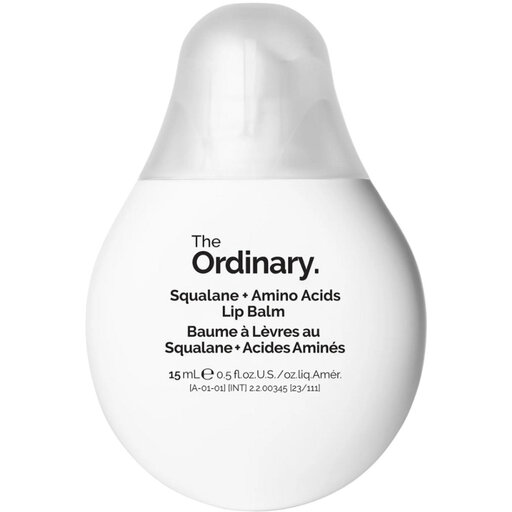
Why it suits this profile: A good fit if you’re looking for a fragrance-free, vegan formula with a lightweight texture for everyday lip care.
The product information specifically describes it as fragrance-free and vegan, and says it’s suitable for sensitive lips.
Contains squalane and amino acids, with a 15 ml capacity; according to the product information, the formula is vegan and cruelty-free.
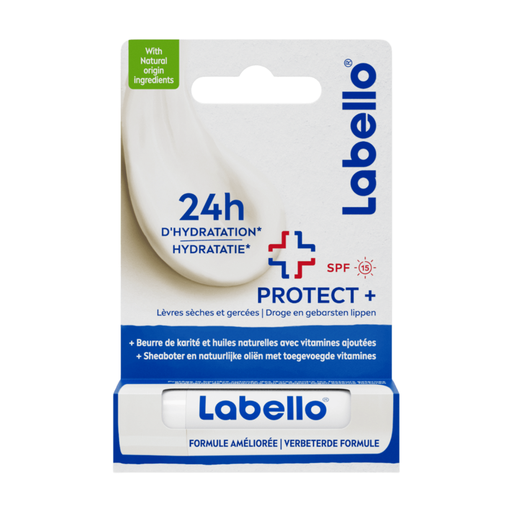
Why it suits this profile: Ideal if you want to combine lip care with a stated SPF rating during outdoor activities.
The SPF15 rating makes it clear that this product offers more than just shine or hydration. The product information says it needs to be reapplied.
SPF15, shea butter, panthenol and a stick format for easy application on the go.
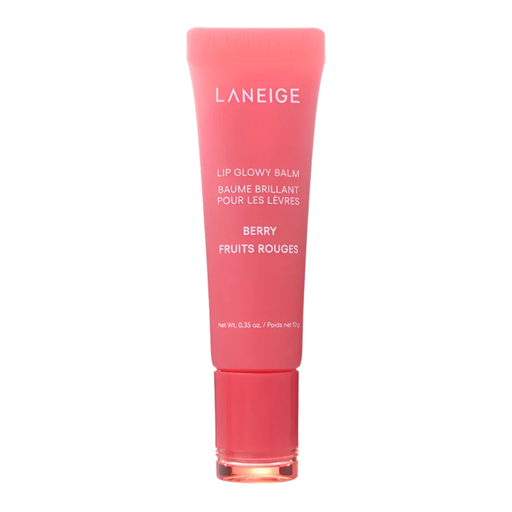
Why it suits this profile: A practical option if you’re looking for a hydrating lip balm with a subtle tint and glossy finish.
The product details clearly state that it comes in a tube, contains 10 grams, has a berry tint and doesn’t include SPF. So you know exactly what you are—and aren’t—buying.
Shea and murumuru seed butter, a subtle berry tint and a glossy finish, according to the product information.
We’ve put together a complete, up-to-date list of products that meet these strict selection criteria and current European safety regulations.
Apply a nourishing lip balm as soon as your lips feel dry or tight. A thin layer is usually enough, though a richer layer may feel more comfortable in cold winds. It’s best not to share a stick or pot with others, and check the expiry information on the packaging.
Don’t use a lip product on an area that is clearly inflamed, keeps bleeding or isn’t getting better. Stop using it if irritation occurs, and ask a doctor or pharmacist for advice if symptoms persist. This helps prevent you from using a cosmetic product for a problem that needs different care.
It depends on the formula and your circumstances. Reapply after eating and drinking, in cold or windy weather, and whenever your lips start to feel dry again. If you’re using a lip balm with SPF, regular reapplication is particularly important.
No. “Vegan” tells you something about the ingredients used, but not necessarily about the texture, SPF, how long it lasts or whether it’s suitable for dry lips. Check the full product information and choose according to how you’ll use it. The Ordinary Squalane + Amino Acids Lip Balm is described as vegan in the product details.
There’s no fixed practical difference between the products: “lip balm” is the English term for lip salve. What matters more is the formula, ingredients, packaging and extra features such as colour, shine or SPF.
