
Vandaag of morgen in huis

Kwaliteit gegarandeerd

Welkomstaanbiedingen ontgrendelen: GRATIS bezorging | Tot 80% korting | Gratis 30 dagen JoyPlus-proefperiode
Download de app
Switching to LED bulbs seems simple: old bulb out, new one in. Yet, the search for the right bulb can feel like navigating a maze of technical jargon and vague promises. Many people fall into the same traps, ending up with lighting that clashes with the ambiance, flickers, or simply fails to deliver on its promise. As a Joybuy Product Recommendation Officer, I see this happen every day. Let's walk through the most common mistakes so you can avoid them.
Pitfall 1: The Wattage Myth It used to be simple: more Watts meant more light. With LED lighting, this is no longer the case. Manufacturers often use an "equivalent to an X-Watt incandescent bulb" claim, but this is unreliable. Not all 60W replacements are created equal, which can lead to light that's too dim or too harsh.
Pitfall 2: The Wrong Ambiance from Vague Colour Temperatures You buy a bulb labelled "warm white light" for the living room, but end up with cold, uninviting light that belongs in an office. The term "warm white" isn't standardised and can vary by brand, completely ruining the atmosphere in your home.
Pitfall 3: Unexpected Compatibility Issues A new dimmable LED bulb that flickers or buzzes with your existing dimmer, or a smart bulb that won't connect to your network. These kinds of problems often arise because the specifications don't align with your current setup.
To bypass the pitfalls above, you don't need to be a technician. Pay attention to the following three specifications on the packaging. These are the objective metrics that determine if a bulb is right for you.
Forget wattage and look at lumens. Lumens measure the actual amount of light a bulb emits. The higher the lumen count, the brighter the bulb.
A typical 60W incandescent bulb produced about 800 lumens. So, if you're looking for a one-to-one replacement, find an energy-efficient bulb with a similar lumen count.
The ambiance of the light is expressed in Kelvin. The lower the number, the warmer and more yellow the light.
The most common base in households is the E27 LED bulb (the large screw base). The E14 (small screw base) is often used in table lamps or smaller fixtures. Always check which base you need before buying a bulb. For specific applications, like in a car or oven, there are other types such as H1, H4, or special heat-resistant bases.
Based on clear specifications, we have selected a few popular choices that suit different needs.
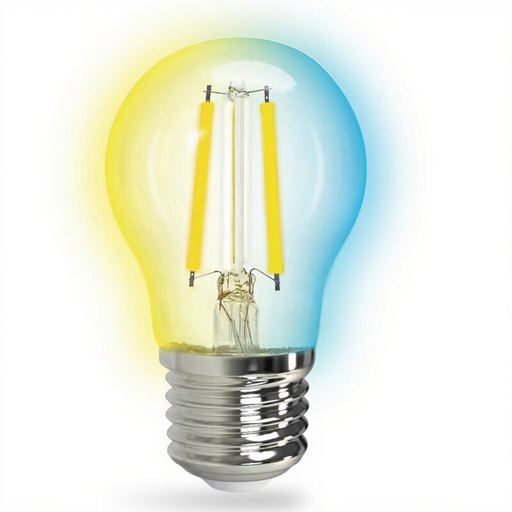
Why This Fits Their Persona: This bulb combines the popular retro aesthetic of an LED filament bulb with modern smart lighting. It's ideal for those who want to adjust the mood in their living or dining room with a single tap on their phone, shifting from functional light to a cosy, warm glow.
You're not locked into a single colour temperature. The app lets you set the precise Kelvin value and brightness. This helps you avoid the pitfall of a misjudged 'warm white light' and always create the perfect atmosphere.
Full control over brightness and colour temperature (CCT). Simple control via the AIGOSMART app, compatible with Google Assistant and Alexa.
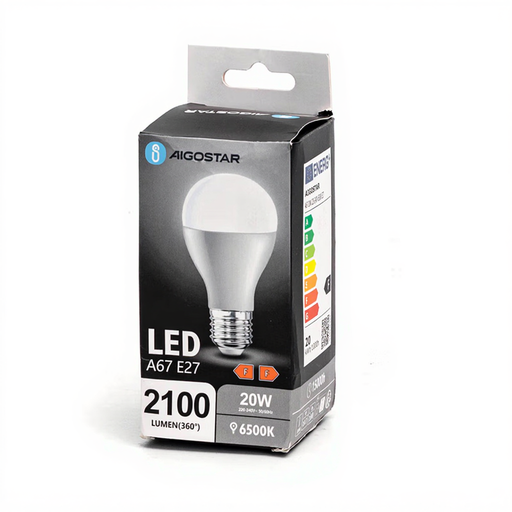
Why This Fits Their Persona: For spaces where functionality is key, like the kitchen, garage, or home office. This energy-efficient bulb delivers a powerful, bright beam of light that replaces a traditional 131W bulb but at a fraction of the energy consumption.
This bulb bypasses the wattage myth by providing clear specifications: 2100 lumens and 6500K. You know you're getting powerful, daylight-white light without having to guess based on a vague "wattage equivalent".
Very high light output for bright, functional light. The E27 LED bulb base ensures broad compatibility with most household fixtures.
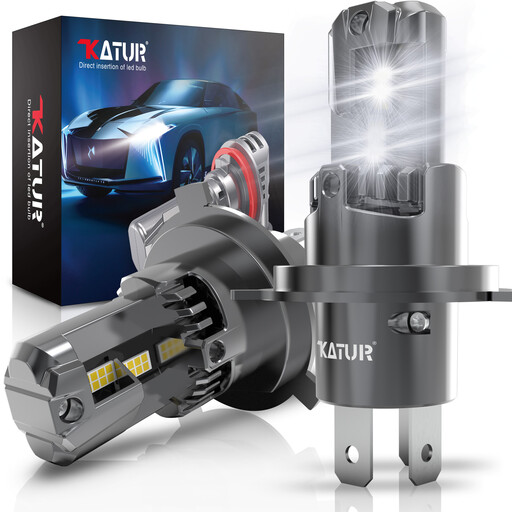
Why This Fits Their Persona: For the car owner looking for an upgrade from standard halogen headlights. This set provides significantly brighter and whiter light (6000K), which, according to the manufacturer KATUR, improves visibility and safety on the road.
These bulbs are designed with a 1:1 size ratio to halogen bulbs, avoiding the compatibility pitfall of a tricky installation. The 'plug and play' setup makes the switch straightforward for most vehicles with an H4 base.
Extremely high light output (30000LM per pair, according to KATUR) and a bright white colour (6000K). The built-in fan and aluminium design aid in heat dissipation.
We have compiled a complete, up-to-date list of products that meet these selection criteria and local regulations.
Watt (W) measures a bulb's energy consumption. Lumens (lm) measure the amount of light the bulb produces. With LED bulbs, low wattage combined with high lumens is the sign of a very energy-efficient bulb. Therefore, always look at lumens for brightness.
Flickering is usually caused by a mismatch between the bulb and the dimmer. Older dimmers, designed for halogen or incandescent bulbs, often don't work well with the low power draw of dimmable LED bulbs. The solution is typically to install a dedicated LED dimmer.
An LED bulb uses up to 85% less energy than an incandescent bulb with a comparable light output. According to many manufacturers' specifications, they also last 10 to 25 times longer. While the initial purchase price is higher, you will save significantly on your energy bills and replacement costs in the long run.
