
Vandaag of morgen in huis

Kwaliteit gegarandeerd

Welkomstaanbiedingen ontgrendelen: GRATIS bezorging | Tot 80% korting | Gratis 30 dagen JoyPlus-proefperiode
Download de app
Jasmine rice is a firm favourite with families, home cooks and restaurants across the Netherlands. This fragrant long-grain rice pairs beautifully with curries, stir-fries, fried rice and simple everyday meals. Yet not every bag labelled “jasmine”, “fragrant” or “premium” is quite the same at first glance.
The biggest buying mistakes usually come down to three common errors:
Jasmine rice is typically a fragrant rice with long, slender grains. Once cooked, the texture is usually soft and slightly sticky, without the same strong stickiness as glutinous rice. This makes jasmine rice ideal for Thai dishes, rice bowls and stir-fry meals.
Look out for the differences between:
A clear ingredients list such as “100% Thai jasmine rice”, “100% Cambodian jasmine rice” or “100% Vietnamese rice” gives you more certainty than just a flashy front on the bag.
The ratio of rice to water varies between brands, cooking methods and the texture you want. So always follow the instructions on the packet first. Washing the rice can remove excess starch, but some varieties are prepared using a different method, such as steaming.
Keep these practical points in mind:
For Vietnamese ST25 rice, the product instructions might mention washing, a ratio of one cup of rice to roughly one and a quarter cups of water, and ten minutes of resting after cooking. Use these guidelines as a starting point and adjust them to your rice cooker if needed.
A small pack is handy for trying a rice variety first. A 1 kg bag works well for a household that alternates between rice, pasta and potatoes. A 4.5 kg bag is a good choice for families, meal preppers and anyone eating rice several times a week.
For restaurants, caterers and food service businesses, bags of 18 kg or 20 kg are practical if you have suitable storage space. Don’t just look at the price per bag – also consider the price per kilo and how quickly you’ll use the rice.
Store rice in a cool, dry place, away from direct sunlight and moisture. Seal an opened bag properly, for example in a food container. Check the bag for any damage and always follow the best-before information on the packaging.
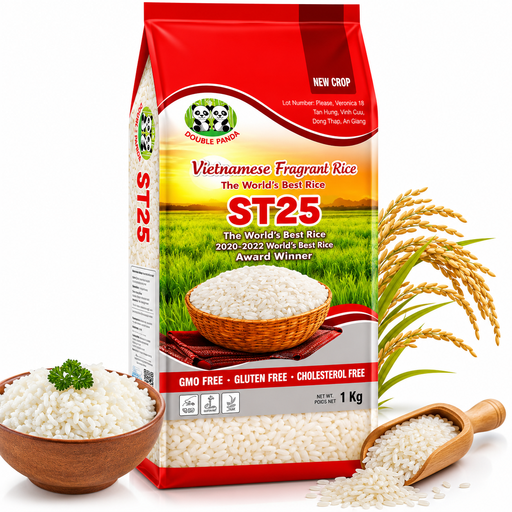
Why this fits the profile: The 1 kg pack makes this Vietnamese ST25 rice ideal for trying it out without building up a large stock. The product information states it can be used in a rice cooker, steamer or pan.
The label states 100% Vietnamese ST25 fragrant rice and a weight of 1 kg. So you don’t have to rely solely on terms like premium or fragrant.
Vietnamese origin, long-grain rice and a compact size for everyday use.
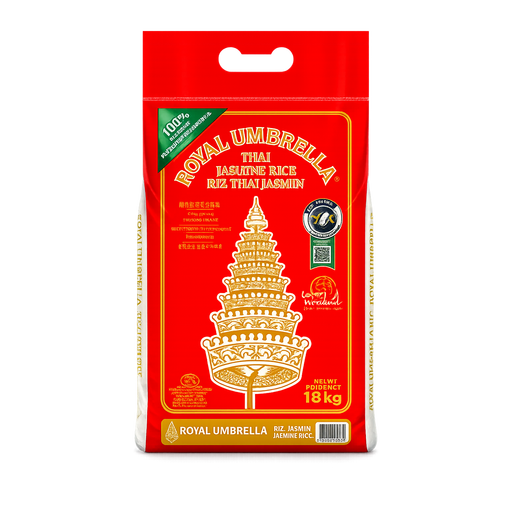
Why this fits the profile: According to the product information, this large bag contains 100% Thai Hom Mali jasmine rice with long, slender grains. That makes it ideal for fans of Thai dishes and households with a high rice consumption.
The type and origin are clearly stated. When you receive it, still check the packaging and store the bag sealed and dry.
Thai Hom Mali, 18 kg content and, according to the product description, a soft, fluffy texture after cooking.
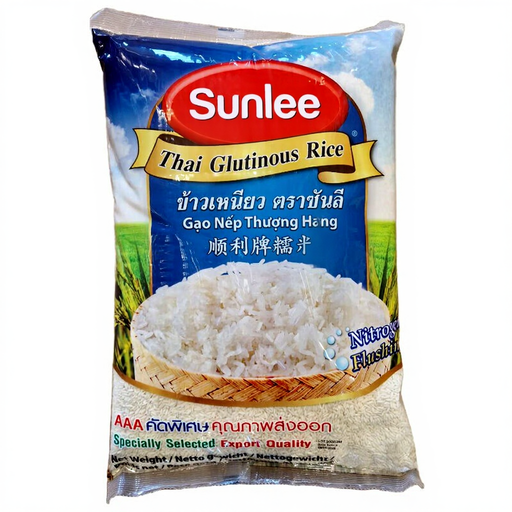
Why this fits the profile: This sticky rice is designed for dishes that need a strong, sticky texture, such as sticky rice, dumplings and certain desserts. The 4.5 kg bag suits heavy home use or catering.
The product name and ingredients clearly say sticky rice. So you won’t buy ordinary jasmine rice when you actually need a strongly sticky texture.
100% rice according to the product information, 4.5 kg content and suitable for steaming, boiling and various Asian applications.
We’ve put together a full, up-to-date list of products that fully meet these strict selection criteria and comply with current European safety regulations.
Not automatically. Jasmine rice refers to a specific rice variety, while pandan in product names sometimes refers to the aroma or positioning. So always check the ingredients list, the origin and the official product description. Thai Hom Mali is a specific designation you can find on the packaging.
That depends on the brand, the pan and the rice cooker. Use the cooking instructions on the packet as a starting point. Rinse the rice if recommended, measure the water carefully and let the rice rest for a few minutes after cooking. This way you can judge the texture better before adjusting the ratio.
Dry rice generally stays usable for longer if you store it in a cool, dry, sealed place. The exact shelf life is on the packaging. After opening, check the smell, colour and condition of the grains, and don’t use any product where the packaging is damaged. For an 18 kg bag, an airtight food container is especially handy.
