
Vandaag of morgen in huis

Kwaliteit gegarandeerd

Welkomstaanbiedingen ontgrendelen: GRATIS bezorging | Tot 80% korting | Gratis 30 dagen JoyPlus-proefperiode
Download de app
Instant noodles are handy for a quick meal, a late-night snack or to keep in the cupboard. However, the packaging can sometimes be misleading. A big picture of the flavour doesn’t tell you how much sauce, vegetables or toppings you’ll actually get. Terms like “extra spicy”, “veggie” or “authentic taste” don’t always give you enough information about ingredients, allergens and preparation.
By keeping these points in mind, you can avoid a disappointing purchase and make a more informed choice between Korean instant noodles, Chinese instant noodles, Japanese ramen, rice noodles and other Asian noodles.
Spicy noodles can often contain a lot of chilli, while the broth lacks depth. So check whether there are several flavour components, such as a seasoning powder, oil, vinegar, vegetables or a separate sauce. With some products, you can adjust the heat by not adding all the chilli oil or sauce.
A product with vegetables on the front isn’t automatically vegan instant noodles. Check the ingredients list and allergen information. Also look out for terms like milk powder, egg, fish sauce, shellfish or animal-derived flavourings. For halal instant noodles, a clear halal declaration or certification on the packaging is important. Product information can vary from pack to pack, so always read the current label.
A noodle multipack can be good value if you eat noodles regularly. For a one-off snack, a large pack can be impractical. Look at the number of sachets, the weight per portion and the best-before date. Store dry instant noodles in a cool, dry place, away from direct sunlight and moisture.
Wheat noodles are common in ramen and many Korean instant noodles. Rice noodles, such as those in luosifen, have a different texture and often require boiling and draining. Some products are soup noodles, while others are mixed dry with sauce.
Pay attention to the cooking time and method:
A product that’s suitable for a quick meal at the office isn’t necessarily the same choice for a more elaborate noodle soup at home.
Check especially for wheat, soya, peanuts, sesame, milk, egg, fish and shellfish. These allergens can be present in the noodles, flavour sachets, oil or toppings. Even products that a brand describes as “vegetarian” can contain allergens.
Also compare the salt content per 100 grams rather than just per pack. The reference products show clear differences. For example, Nongshim Soon Veggie Ramyun states 4.1 grams of salt per 100 grams, while Bai Xiang Braised Beef states 6.1 grams. This makes the portion size and the use of all the flavour sachets relevant. This isn’t health advice; it’s a practical way to compare labels with each other.
If you love ramen, you can choose a broth variety with seasoning powder and dried vegetables. For a more intense flavour, dry Korean noodles with sauce or Sichuan-style noodles are interesting. Products with separate sachets for vinegar, chilli oil, peanuts or vegetables offer more options to adjust the taste.
According to the product description from Yuanxianxian, the Fragrant and Spicy Sweet Potato Noodles consist of, among other things, sweet potato noodles, sauce, vinegar, chilli oil and dried vegetables. The separate sachets give you control over the amount of sourness and heat, but the product does contain peanuts and sesame.
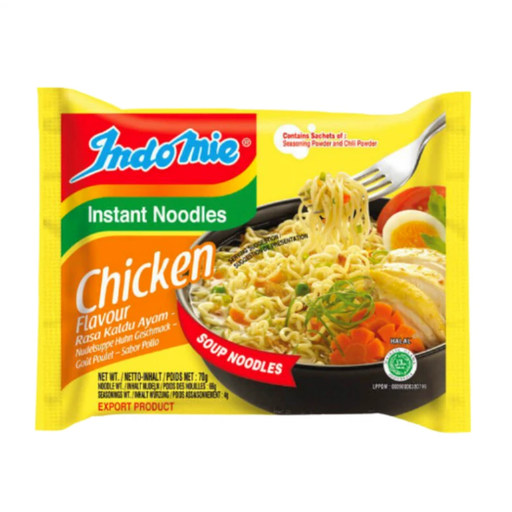
Why this fits the profile: A single portion is practical for students, snack times or anyone who wants to try a familiar chicken flavour first without buying a multipack straight away.
The product information states a simple preparation method and chicken seasoning. The ingredients and the presence of the gluten allergen can be checked in advance.
Single pack of 70 grams; according to the product description, halal-certified; can be prepared as a quick meal.
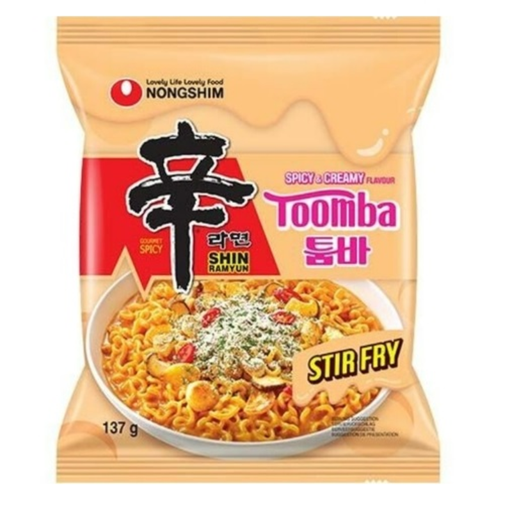
Why this fits the profile: For ramen fans looking for a combination of spicy Korean flavour and a creamy sauce texture.
The product description mentions separate flavour components, including powder and paste. The allergen list includes, among others, gluten, soya, milk and nuts.
137 grams per pack; combination of seasoning powder and sauce; prepared as a hot, richly flavoured noodle meal.
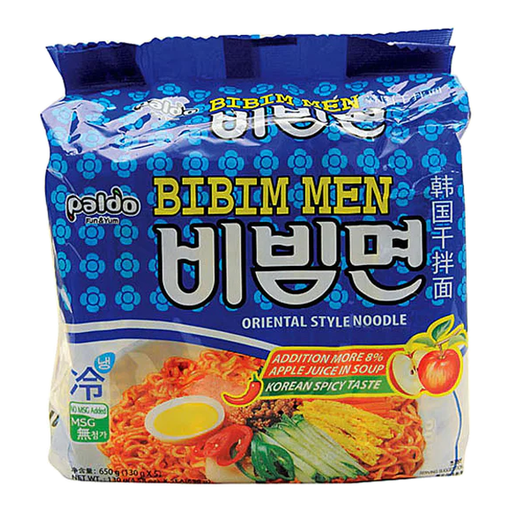
Why this fits the profile: A multipack for those who eat Korean dry noodles more often and prefer a sweet and spicy sauce without broth.
The preparation instructions make it clear that the noodles are rinsed after cooking and then mixed with the sauce. So you won’t be expecting a noodle soup.
Five packs of 130 grams; cooks in about 3 to 4 minutes; product information states none of the 14 main EU allergens.
We’ve put together a full, up-to-date list of products that fully meet these strict selection criteria and comply with current European safety regulations.
Yes, many varieties are ready in just a few minutes. However, the nutritional value and portion size vary from product to product. Check the label and add fresh ingredients if you like.
Unopened products can generally be kept until the best-before date. The exact date is on the packaging. Store the noodles in a cool, dry place away from direct sunlight. Don’t use any packaging that is damaged.
Ramen is usually made from wheat noodles and is often served with broth. Rice noodles are made from rice and can have a different cooking time and texture. Luosifen and other Chinese rice noodle dishes often contain separate sachets of sourness, chilli oil and toppings.
