
Vandaag of morgen in huis

Kwaliteit gegarandeerd

Welkomstaanbiedingen ontgrendelen: GRATIS bezorging | Tot 80% korting | Gratis 30 dagen JoyPlus-proefperiode
Download de app
The fruit juice aisle can be overwhelming. The packaging vies for your attention with images of sun-ripened fruit, but what's really inside the carton? Many people pay a premium for drinks that don't meet their expectations. Let's look at the most common pitfalls so you know what to watch out for.
Pitfall 1: The "Fruit Drink" Disguised as Juice One of the biggest misunderstandings arises from the difference between fruit juice and a fruit drink. A carton might be covered in fruit imagery, but if the label says "fruit drink," the product often contains only a small percentage of actual juice, diluted with water and sugars. You end up paying for an expensive beverage that doesn't deliver the pure fruit taste you were looking for.
Pitfall 2: The "No Added Sugar" Myth The "no added sugar" claim sounds healthy, but it doesn't automatically mean a product is low in sugar. 100% fruit juice naturally contains a lot of fruit sugars. Although these are natural sugars, the amount can sometimes be comparable to that in a soft drink. It's therefore important to look beyond this claim, especially if you are monitoring your sugar intake.
To make a good choice, it helps to know a few basic principles. By paying attention to the following specifications, you'll know exactly what you're buying.
The name on the label tells you a lot about the contents. The regulations for this are clear:
A short and clear ingredient list is usually a good sign.
The choice also depends on the occasion.
Based on clear product features, we have selected a number of options that suit different needs.
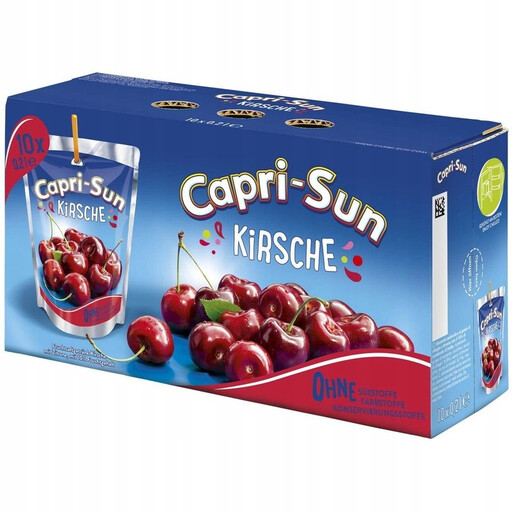
Why This Fits Their Persona: Ideal for parents looking for a convenient and popular drink for lunch boxes or a day out. The individual drink pouches are easy to carry, and the flavour is a hit with kids.
This product is clearly a fruit drink and doesn't pretend to be 100% juice. The ingredient list transparently states a 10% juice content from concentrate.
The packaging is robust and leak-proof, perfect for a bag. Comes with a paper straw.
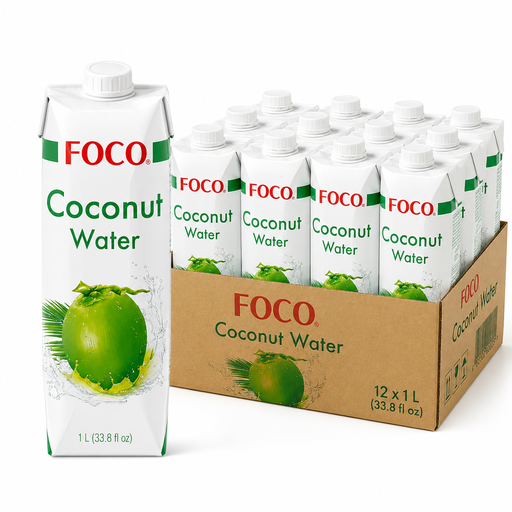
Why This Fits Their Persona: For those seeking a natural way to rehydrate after a workout. Coconut water is a popular choice for its electrolytes, such as potassium.
This product completely bypasses the sugar trap. The ingredient list is as short as it gets: 100% coconut water. No added sugars, no flavourings, no unnecessary additives.
Naturally contains electrolytes like potassium (200 mg per 100 ml). It's a pure and hydrating alternative to sugary sports drinks.
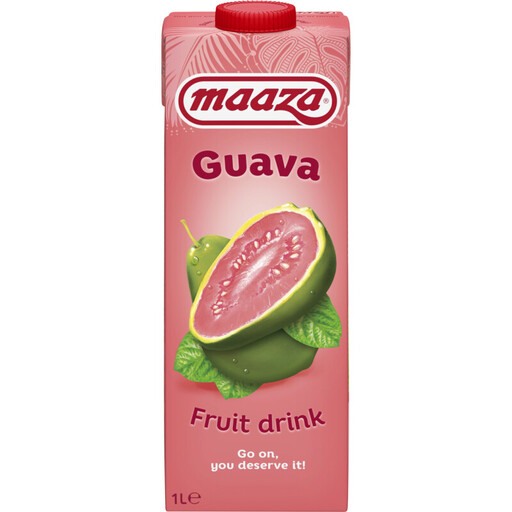
Why This Fits Their Persona: For those who want something different from standard flavours. Maaza is known for its tropical juices, and this guava drink offers a unique, smooth taste reminiscent of a faraway holiday.
Maaza positions this product as a 'drink' and is transparent about its 18% guava puree content. It doesn't promise 100% juice but delivers an authentic and rich guava flavour.
Made with pink guava puree from South Africa for a delicate taste. A refreshing change from the standard juices on the shelf.
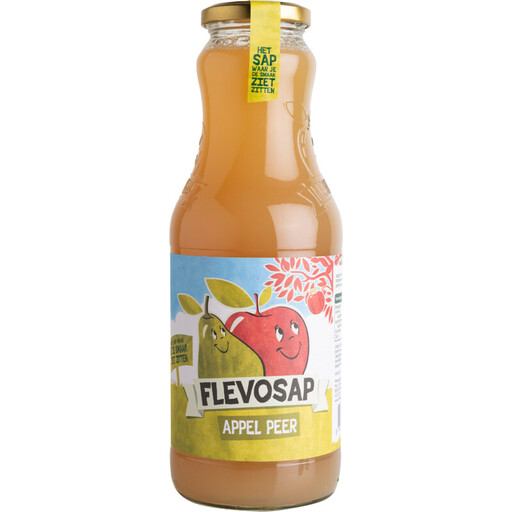
Why This Fits Their Persona: For those looking for juice as it was meant to be: pure and unprocessed. This is for the consumer who values craftsmanship and the shortest possible ingredient list.
This product is the anti-pitfall. It is 100% pure juice, artisanally pressed, and with no additives whatsoever. The ingredients are simply apple juice (50%) and pear juice (50%).
Lightly filtered, which preserves the full flavour and nutrients of the fruit. No preservatives, only briefly pasteurised for shelf life.
The main difference is the percentage of fruit. By law, fruit juice must consist of 100% fruit, with no added sugars. A fruit drink has a much lower, non-regulated percentage of fruit and often contains added water, sugars, and flavourings.
Most juices have a limited shelf life in the refrigerator after opening. The exact period is always stated on the packaging, but you can generally expect it to last 3 to 5 days. Always close the carton tightly to preserve its quality.
Coconut water is not a replacement for water, but it can be a functional supplement. It naturally contains electrolytes like potassium, which aid in hydration, for example, after exercise. Plain water remains the foundation for daily hydration. Unlike many sports drinks, 100% pure coconut water contains no added sugars or colourings.
