
Host serving plenty of fresh snacks
You want to chill extra portions of packaged crudités and other shopping for a while without filling up the fridge compartment. The Voedingscentrum advises storing prepared vegetables in the fridge.


Choose a fridge-freezer based on the usable fridge space for both your carrot sticks and your regular shopping. The total capacity includes the freezer compartment too. Measure the space available and compare annual energy consumption; a larger appliance may need more room and can use more electricity overall. The Voedingscentrum advises storing prepared vegetables in a sealed container in the fridge and setting the temperature to 4 °C.
You want to chill extra portions of packaged crudités and other shopping for a while without filling up the fridge compartment. The Voedingscentrum advises storing prepared vegetables in the fridge.
You’re looking for a practical layout with room for your usual fresh food, even when you’re not hosting.
You need to weigh capacity against the space available and check that delivery, installation and opening the doors and drawers are all possible.
Start by checking the usable fridge space for containers and everyday shopping. Then make sure the external dimensions and annual energy consumption suit your needs.
| What to consider | What to look for when buying | Who is this important for? |
|---|---|---|
| Usable fridge space | Compare the fridge and freezer capacities separately, and check that sealed containers will fit on the shelves. | If I want to store extra containers for a gathering alongside the family’s shopping, I focus mainly on the fridge capacity; usable fridge space is the top priority for around 31% of consumers. |
| Fridge temperature | Check whether the temperature is adjustable, then measure it with a fridge thermometer after installation. | If I want to keep cut carrots properly chilled in a sealed container, I look at the temperature and how easy the shelves are to reach; reliable food storage is the main concern for around 25% of consumers. |
| Fit and installation | Measure the height, width and depth; also check the delivery route, ventilation space and door clearance. | If the kitchen space is fixed or tight, I want to know in advance whether the appliance can be delivered and its doors opened; for around 19% of consumers, how well it fits the kitchen is the most important consideration. |
| Energy consumption | Compare the stated annual consumption in kWh alongside the capacity and energy label. | If I’m looking for an appliance that will be running every day, I want to weigh up its annual consumption as well as the space I need; energy consumption is the top priority for around 13% of consumers. |
| Noise and freezer maintenance | Compare the stated noise level in dB and check whether each model has No Frost. | In an open-plan living space, I want to know how much noise the appliance is stated to make and whether the freezer has No Frost; quiet operation and easy freezer maintenance are the main concerns for around 12% of consumers. |
Total capacity includes the freezer compartment, so it doesn’t tell you how much room is left for crudités and other fresh shopping.
Compare the fridge and freezer capacities separately, and check whether your sealed containers will fit on the shelves.
A drawer or freshness feature doesn’t replace sealed storage and the right fridge temperature. The Voedingscentrum recommends setting the fridge to 4 °C.
Measure the temperature with a fridge thermometer after installation, and keep prepared vegetables chilled until you’re ready to use them.
The energy rating and annual consumption in kWh tell you different things. The Consumentenbond points out that a large fridge can use more electricity overall, even if it has a high energy rating.
Compare the annual consumption of models that suit your needs in terms of capacity and dimensions.
Bosch offers freestanding fridge-freezers. The KGN39VLCT is one example, with separate figures for its fridge and freezer capacities.
LG offers fridge-freezers with a range of layouts and features. Compare the exact model variant and its fridge capacity.
The CNsfd 7723 Plus is a larger fridge-freezer worth comparing if your kitchen has enough space.
This selection includes freestanding and integrated fridge-freezers. For each model, compare the fridge space, dimensions and stated energy consumption with what you need for your carrot sticks and everyday food.
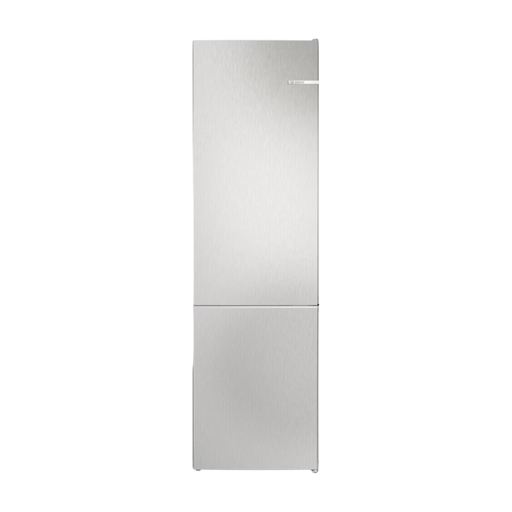 No image available
Its stated 260 l of fridge space makes this model worth considering if you want to store extra chilled food alongside your everyday shopping.
The description lists No Frost, MultiAirflow, SuperCooling and annual energy consumption of 112 kWh.
The stated dimensions are 203 × 60 × 66,5 cm.
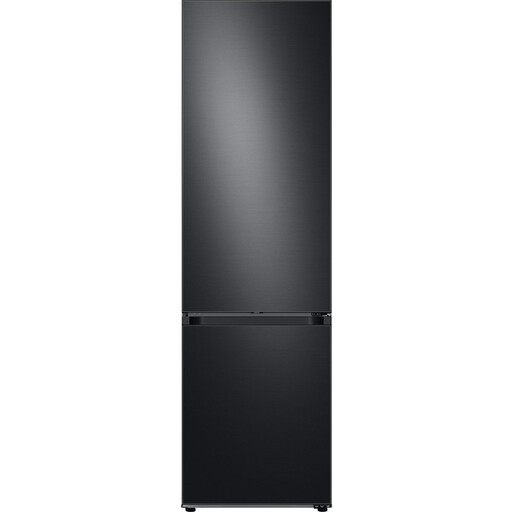 No image available
With a stated 273 l of fridge space and two vegetable drawers, this model is worth comparing if you need extra chilled storage.
The title lists a total capacity of 387 l, No Frost and an A energy rating; the description mentions Twin Cooling Plus and annual energy consumption of 108 kWh.
The stated dimensions are 203 × 59,5 × 65,8 cm.
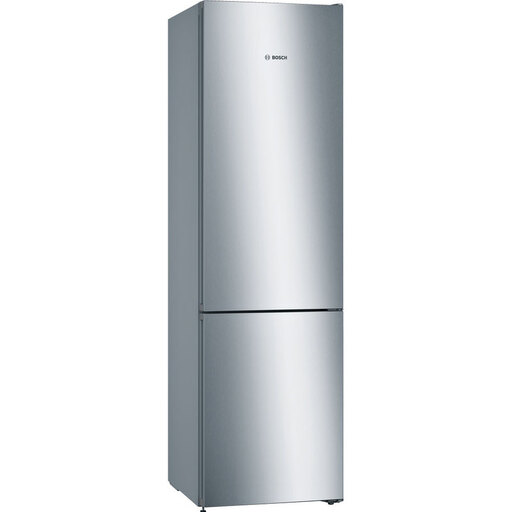 No image available
Its stated 279 l of fridge space can help you compare models for storing extra fresh food.
The description lists No Frost, a VitaFresh drawer and annual energy consumption of 238 kWh.
The stated dimensions are 203 × 60 × 66 cm.
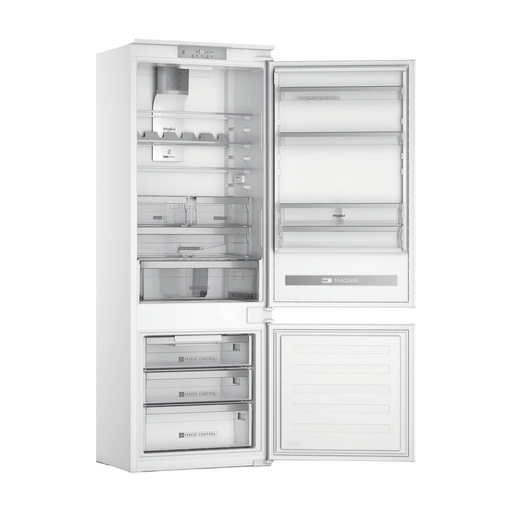 No image available
This integrated model is an option if your kitchen has a suitably sized housing unit and you can meet the installation requirements.
Its stated fridge capacity is 299 l and its total capacity is 400 l. The description lists annual energy consumption of 248 kWh.
The required housing space is 194,4 × 72 × 55 cm; the description says professional installation is required.
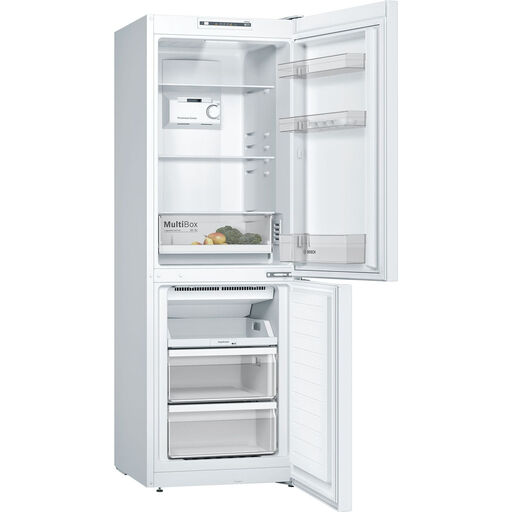 No image available
Its stated 193 l of fridge space and MultiBox drawer are worth noting if you’re looking for a layout that works well for fruit and vegetables.
The product name lists a total capacity of 279 l; the description mentions No Frost and a sliding EasyAccess shelf.
The stated dimensions are 176 × 60 × 66 cm.
The Voedingscentrum advises keeping pre-cut vegetables in the fridge for no more than 2 days after opening or cutting them yourself. Store carrot sticks in a sealed container, and follow the date and instructions on unopened packaging.
Set your fridge to 4 °C, as recommended by the Voedingscentrum. Place a fridge thermometer in the middle of the bottom shelf, leave it there for half a day or overnight, then adjust the temperature if needed.
Yes. According to the Rijksoverheid, fridges must have an energy label. As Energielabel.nl explains, the label lets you compare details such as annual energy consumption, fridge and freezer capacity, and noise level.