
Vandaag of morgen in huis

Kwaliteit gegarandeerd

Welkomstaanbiedingen ontgrendelen: GRATIS bezorging | Tot 80% korting | Gratis 30 dagen JoyPlus-proefperiode
Download de app
Picking out a new fridge-freezer seems simple—until you dive into the specifications. You're bombarded with marketing terms, and every manufacturer makes grand promises. The result? Many people buy a model that's too large, too noisy, or has an impractical layout. As a Joybuy Product Recommendation Officer, I see where things go wrong every day. Let's walk through the three most common pitfalls so you can make an informed choice.
To avoid buyer's remorse, it's crucial to look past the marketing. Focus on the objective specifications that determine how the refrigerator will function in your daily life.
Since 2021, the energy label has been updated, with the scale running from A (most efficient) to G. Today, a model with a C or D rating is considered a very energy-efficient refrigerator. Don't just look at the letter; also check the annual energy consumption in kWh. This figure, multiplied by your electricity rate, gives a realistic estimate of the yearly running costs. A slightly more expensive but more efficient refrigerator can pay for itself in the long run.
The noise level is expressed in decibels (dB). For a quiet fridge-freezer, especially in an open-plan kitchen or studio apartment, a value of 38 dB or lower is recommended.
Models with an inverter compressor are often quieter because the motor runs at a constant, low speed instead of constantly switching on and off at full power.
The right capacity depends on your household. A good rule of thumb:
Besides litres, also consider flexibility: are the shelves adjustable? Is there a bottle rack? Does the freezer section have drawers or shelves? A good layout makes a world of difference. In terms of appearance, a black refrigerator or a stainless steel refrigerator are popular choices that fit well in many modern kitchens.
Based on objective specifications, we have selected a number of models that suit different needs and budgets.
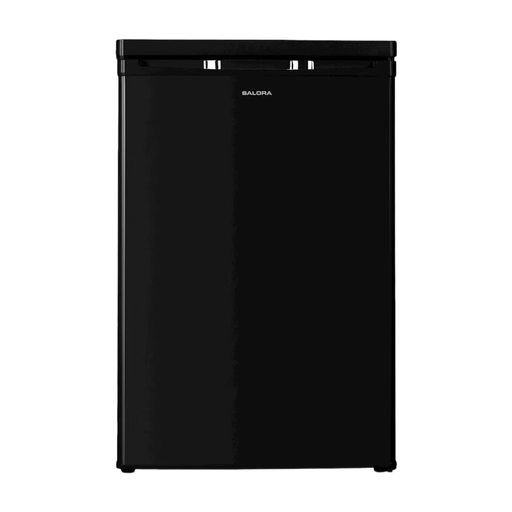
Why This Fits Their Persona: Ideal for a student room or first apartment. With 109 litres (95L cooling, 14L freezing), this tabletop model offers enough space for one or two people's groceries without taking up much floor space. The black finish provides a modern look.
The capacity is perfectly tailored to the target group, so you're not paying for unused space. The 40 dB noise level is acceptable for this price range and its compact size.
Compact size with a full-fledged 4-star freezer compartment. The door is reversible, offering flexibility in placement.
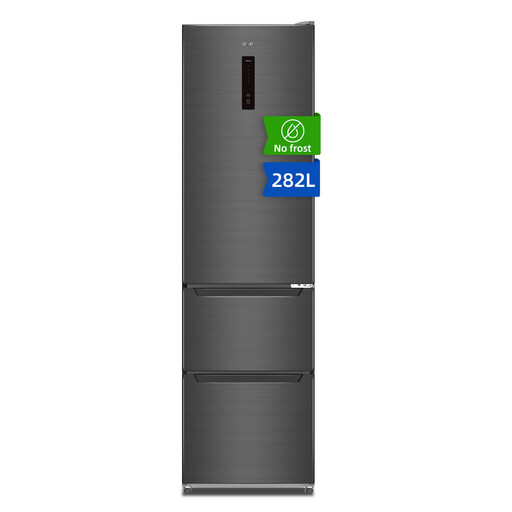
Why This Fits Their Persona: A family needs space and convenience. This model offers a generous 282-litre capacity, divided into a practical fridge and freezer section. The No Frost technology and inverter compressor make it a low-maintenance and quiet choice for a busy household.
This model tackles the 'No Frost' pitfall with a Multi-Airflow system for even cooling and an inverter compressor that keeps the noise level low at 37 dB. The layout is practical, not just large in litres.
Very quiet (37 dB), fully No Frost, and an efficient inverter compressor. According to the manufacturer CHiQ, the compressor comes with a 12-year warranty.
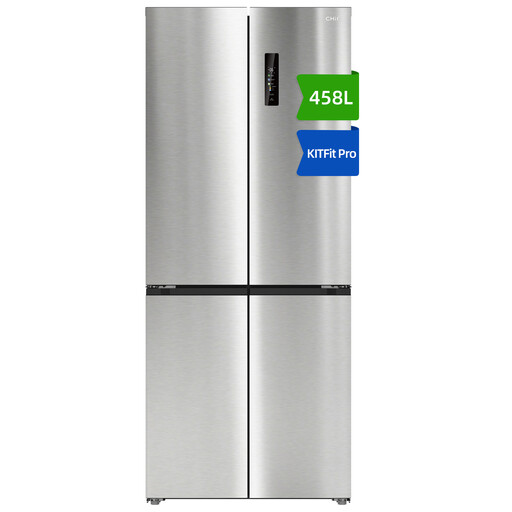
Why This Fits Their Persona: For those who need a lot of space and appreciate a sleek design. This cross-door model, similar to an American-style refrigerator, offers 458 litres of storage. The stainless steel finish and 'True Flush' design ensure seamless integration into a modern kitchen.
This model combines enormous capacity with a smart layout, including a special 'Care+' zone. Despite its size, it is very quiet at 37 dB thanks to the inverter compressor, thus avoiding the pitfall of a noisy, large refrigerator.
Huge capacity (458L), premium stainless steel look with 'flush' installation, and advanced features like a special fresh zone and Total No Frost.
We have compiled a complete, up-to-date list of products that meet these strict selection criteria and local regulations.
No Frost completely prevents ice build-up in the freezer section by constantly circulating dry, cold air. This means you never have to defrost it manually. Low Frost significantly reduces ice formation (by up to 80%) by integrating the evaporator coils into the walls, but you will still need to defrost the freezer section occasionally (about once a year).
A model is generally considered quiet if it has a noise level of 38 decibels (dB) or lower. This is comparable to a whisper in a quiet library. Models around 40 dB are still relatively quiet but may be audible in a very silent environment. Anything above 42 dB is often perceived as present or even disruptive in an open-plan kitchen.
The average lifespan of a fridge-freezer is between 10 and 15 years. The actual lifespan depends on the quality of the appliance, its maintenance, and the intensity of use. Signs that a replacement is needed can include the motor running continuously, food not staying as cold, or an unexplainable increase in your energy bill. A modern, energy-efficient model can often pay for the investment within a few years.
