
Vandaag of morgen in huis

Kwaliteit gegarandeerd

Welkomstaanbiedingen ontgrendelen: GRATIS bezorging | Tot 80% korting | Gratis 30 dagen JoyPlus-proefperiode
Download de app
Choosing a face cream might seem simple, but there are big differences in texture, ingredients and protection. A hydrating face cream may feel lovely but still not suit oily skin. A rich, nourishing cream may be comforting when your skin feels dry, but too heavy to wear under make-up.
So don’t focus only on words such as “glow”, “anti-ageing” or “intense hydration”. Check the skin type guidance, ingredients, SPF, texture and instructions for use. This makes it less likely that you’ll buy a cream that sits unused in your bathroom after a few days.
Terms such as brightening cream, anti-ageing face cream and “skin barrier repair” describe what a product is designed to do, but don’t predict the same results for every user. According to brands’ own research or product information, ingredients such as niacinamide, vitamin C, hyaluronic acid and peptides may contribute to a particular skincare experience. That doesn’t guarantee a reduction in pigmentation, wrinkles or irritation.
A face cream with SPF can be practical for everyday use. However, SPF 15, SPF 25 and SPF 30 are not the same. The level of protection also depends on how much you apply and how often you reapply it. If you’re spending a long time in the sun, a separate sun protection product is often a clearer choice. Also check how it works alongside acids or vitamin C derivatives: some product labels recommend extra sun protection.
A natural face cream may contain essential oils or fragrance. A cream for all skin types may also be unsuitable for an individual with sensitive skin. Check the ingredients list for fragrance, alcohol denat., citrus oils, salicylic acid and known allergens. If you have sensitive skin, it’s a good idea to test the cream on a small area first.
Glycerine, hyaluronic acid and beta-glucan are often used in hydrating formulas. Niacinamide is commonly found in brightening creams and products for uneven skin tone. Centella asiatica, panthenol and madecassoside are generally chosen for their soothing skincare properties. When using vitamin C, AHAs or salicylic acid, it’s important to follow the instructions and warnings on the packaging.
An ingredient appearing higher up the list doesn’t automatically make it more suitable for everyone. The overall formula, concentration, packaging and your own tolerance are just as relevant.
Compare more than just the price; also check the size. The range includes 40, 50, 65, 75 and 100 ml formats. A tube is hygienic and easy to take with you; a jar can be convenient for a rich cream, but you’ll need clean hands or a spatula. Always check the expiry information and the period-after-opening symbol on the packaging.
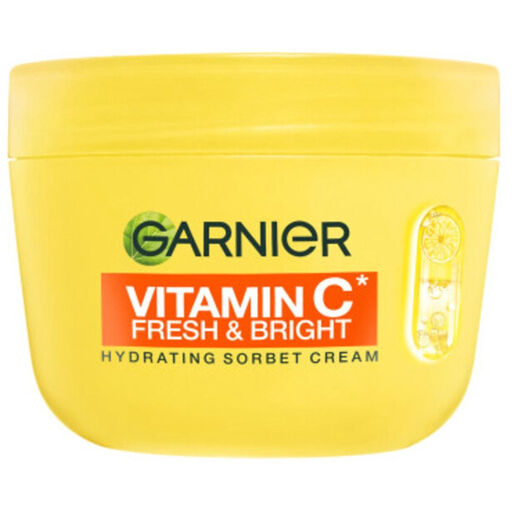
Why it suits this profile: A familiar gel-sorbet texture for anyone looking to build a simple daily routine and compare vitamin C, niacinamide and salicylic acid.
The ingredients list makes it clear that the formula contains alcohol denat., fragrance and salicylic acid. This helps avoid assuming that “fresh” automatically means suitable for all sensitive skin.
50 ml, a light sorbet formula and a clear warning to use sun protection during the day.
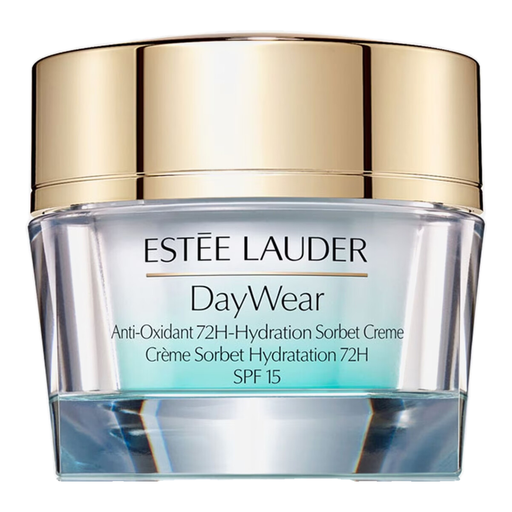
Why it suits this profile: The light, oil-free sorbet texture is designed for normal to combination skin and works well in a morning and evening routine.
The product information specifies SPF 15 and normal to combination skin. So don’t expect it to fully replace a separate sun protection product if you spend a lot of time outdoors.
50 ml, an oil-free formula and SPF 15. According to the product description, the brand claims up to 72 hours of hydration.
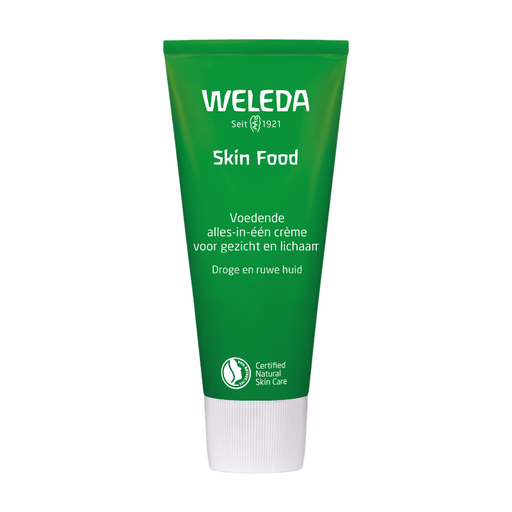
Why it suits this profile: For dry, rough patches on the face and body, or as a rich night cream during cold, dry spells.
Its rich texture makes it clear that this isn’t a hydrating gel cream for oily skin. The product description mentions a natural fragrance and an intensely nourishing formula.
75 ml, for face and body, with a 100% natural ingredients claim according to the product information.
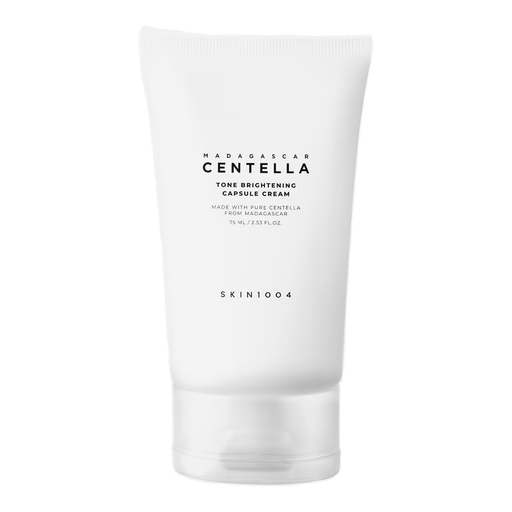
Why it suits this profile: This lightweight Korean skincare cream combines centella asiatica with niacinamide, tranexamic acid, panthenol and madecassoside.
The product information states that it is alcohol- and fragrance-free. Even so, check the current packaging and do a small patch test first if your skin is reactive.
75 ml, tube packaging and a vegan claim according to the product information; stated to suit several skin types.
We’ve put together a complete, up-to-date list of products that meet these strict selection criteria and the applicable European safety regulations.
Most people apply a face cream in the morning after cleansing and, if desired, using a serum. Use a night cream or nourishing cream as directed on the label, often as the final step in your evening routine. Start with a small amount; using more won’t necessarily make it more effective.
Check the expiry date and the period-after-opening symbol on the packaging. Store the cream in a cool, dry place away from direct sunlight. If its smell, colour or texture changes, stop using it, even if the expiry date hasn’t passed.
Look for a light hydrating gel cream with a non-greasy finish. Beauty of Joseon Red Bean Hydrating Gel Cream and SKIN1004 Poremizing Light Gel Cream are examples in the range with a gel texture. Always check the full ingredients list and don’t choose a product based solely on the term “pore care”.
