
Vandaag of morgen in huis

Kwaliteit gegarandeerd

Welkomstaanbiedingen ontgrendelen: GRATIS bezorging | Tot 80% korting | Gratis 30 dagen JoyPlus-proefperiode
Download de app
Choosing a bag of dog food seems simple, until you compare ingredient lists, nutritional claims and serving recommendations. Attractive packaging does not always tell you whether a product is suitable for your dog’s age, size and activity level. Terms such as “grain-free”, “high in meat” and “natural ingredients” also deserve a closer look.
In this buying guide, you’ll learn what to look for in dry dog food, wet dog food, dog treats and dog chews. This will help you avoid buying something that does not fit your dog’s daily diet or eating habits.
“Dog food with chicken”, “dog food with beef” or “dog food with lamb” may sound clear, but always check the composition. For example, Pedigree Adult Small Dog Beef & Vegetables states that the recipe contains cereals and animal derivatives, including 4% beef. That is different from a recipe in which beef is the main ingredient.
So don’t just look at the front of the packaging. Ingredients are generally listed in descending order by weight. Also check the analytical constituents for crude protein, fat, crude fibre, ash and moisture.
Grain-free dog food often contains other sources of carbohydrates, such as peas, lentils, chickpeas or sweet potato. This may suit a dog whose diet needs to avoid grains, but it does not automatically make a product suitable for every dog.
For example, Eukanuba Grain Free Adult Venison lists a recipe containing venison, peas and gluten-free sweet potato. The product information positions it as food for adult dogs from one year old. When changing food, always check that the age category and daily feeding recommendation are suitable for your dog.
Dog treats, soft strips and dog chews are usually complementary food. They are intended as rewards or for keeping your dog occupied, and do not replace a complete meal. According to the product information, a product such as Pedigree Schmackos contains 25% protein, 8.5% fat and 20% moisture. It is a snack, not a complete daily food.
Keep the number of treats under control. Various chew products recommend that treats should make up no more than around 10% of your dog’s daily calorie intake. Adjust the main meal if necessary and always supervise your dog while it is chewing.
Look for the wording complete dog food or “complete pet food” on the packaging. Complete and balanced dog food is intended to be given as a daily diet, following the feeding advice on the packaging.
Wet dog food, such as Cesar Classic with chicken or beef, can be used as complete food for adult dogs according to the product information. Storage instructions are important once portions have been opened: leftover food should be kept in the fridge and generally used within 48 hours.
Treats, sticks and chew bones are usually complementary. Give them alongside, not instead of, your dog’s main food.
A puppy needs a different feeding routine from an adult dog. A small companion dog will also often need a different kibble size and different portions from a large, active dog.
Pay attention to these points:
When introducing a new food, a gradual changeover is advisable. According to the product information, Orijen recommends a transition lasting 7 to 10 days. This makes it easier to see how your dog responds to the new recipe.
A high protein percentage does not tell the whole story. Orijen Original lists 38% crude protein, 18% fat and 12% moisture. These are measurable product specifications, but the right choice still depends on your dog’s energy needs and body condition.
Also compare the pack size. An 11.4 kg bag may offer better value per kilo, but it is less practical if your dog eats slowly or if you want to alternate between several recipes. Smaller packs are more convenient for trying a product first.
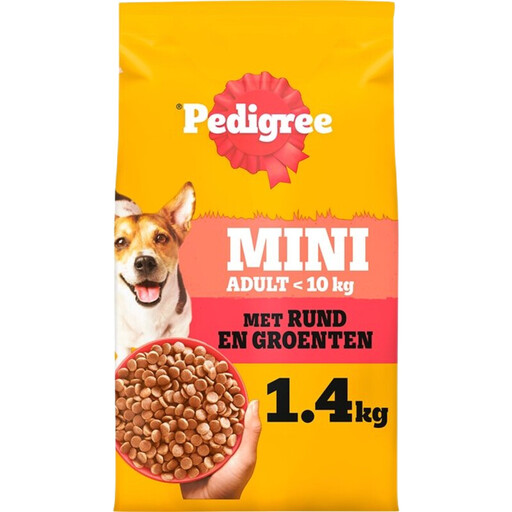
Why it suits this profile: The 1.4 kg pack is practical for a first purchase, and the kibble is intended for small adult dogs weighing under 10 kg.
The label gives specific portions for different body weights. The beef variety is clearly described as a recipe containing cereals and 4% beef.
22% crude protein, 13% fat and a kibble size adapted to small dogs according to the product description.
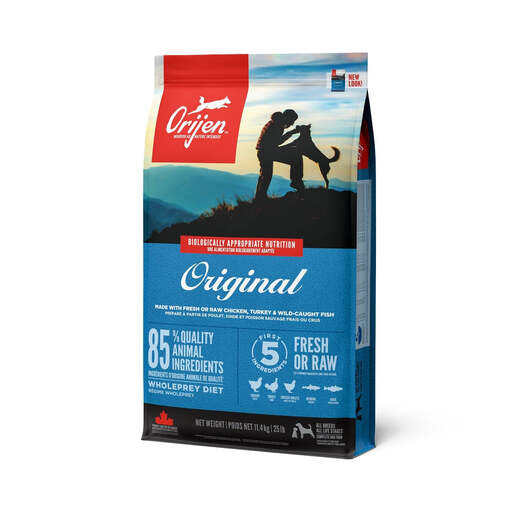
Why it suits this profile: This dry food combines chicken, turkey, herring, cod and egg in a recipe for dogs at all life stages, except Great Dane puppies under 14 weeks old.
The product information gives percentages for several animal-based ingredients and lists 38% crude protein, 18% fat and 12% moisture.
A recipe with several animal-based ingredients, omega-3 and omega-6 fatty acids, plus a recommended transition period of 7 to 10 days.
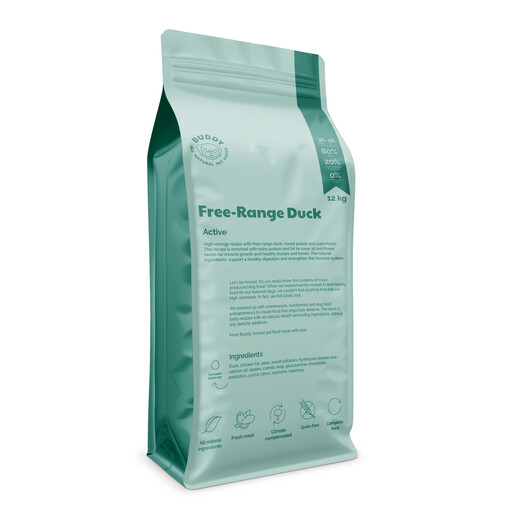
Why it suits this profile: The product description is aimed at large, active and working dogs, and states that it contains 80% animal-based ingredients.
The information names the animal-based ingredients, duck and the kibble size of approximately 1.2 to 1.6 cm, helping you judge whether it is suitable.
12 kg pack, duck as the stated animal-based protein source, plus added ingredients such as glucosamine and chondroitin sulphate.
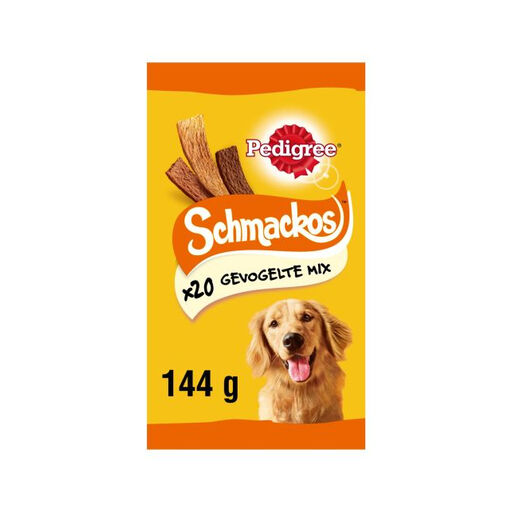
Why it suits this profile: The soft strips are easy to break into smaller pieces, making them practical for walks or training sessions.
The packaging clearly states that this is a snack. This allows you to keep the reward separate from your dog’s complete food.
1,144 g per pack, 25% crude protein and 20% moisture according to the stated analysis.
We’ve put together a complete, up-to-date list of products that fully meet these strict selection criteria and the applicable European safety regulations.
If your dog has persistent gastrointestinal problems, food sensitivities or you are unsure about its nutritional needs, discuss its feeding plan with a vet.
That depends on the brand, pack size and daily amount required. Dry food often lasts longer after opening and is easier to store in individual portions. Wet food contains a lot of moisture and is often sold in smaller portions. So compare the price per kilogram as well as the feeding advice, rather than looking only at the price of one pack.
Unopened dog food can be kept until the date shown on the packaging, provided it is stored somewhere cool and dry. Once opened, shelf life varies by product. Dry food should be kept tightly sealed. Opened wet food belongs in the fridge; several products state that it should be used within a maximum of 48 hours. Always follow the instructions on the label.
Use dog treats as a supplement and adjust the amount to your dog’s size, weight and activity level. A commonly stated guideline on packaging is that treats and dog snacks should make up no more than 10% of your dog’s daily calorie intake. If in doubt, give smaller portions and choose treats that are easy to break into pieces during training.
