
Vandaag of morgen in huis

Kwaliteit gegarandeerd

Welkomstaanbiedingen ontgrendelen: GRATIS bezorging | Tot 80% korting | Gratis 30 dagen JoyPlus-proefperiode
Download de app
As a Product Recommendation Officer at Joybuy, I see the vast array of dog food choices available every day. It can be overwhelming to navigate all the marketing claims and ingredient lists. Many owners unwittingly fall into traps that are not only a waste of money but also less than ideal for their dog's health. Let's look at the most common missteps and how you can avoid them.
To make an informed choice, it's helpful to check a few key points. This will help you look past the marketing and focus on what truly matters for your dog.
A dog's nutritional needs change throughout its life.
A dog is a natural carnivore, so the quality of the protein source is important.
To help you get started, I've selected a few products from our range that fit specific dog owner profiles.
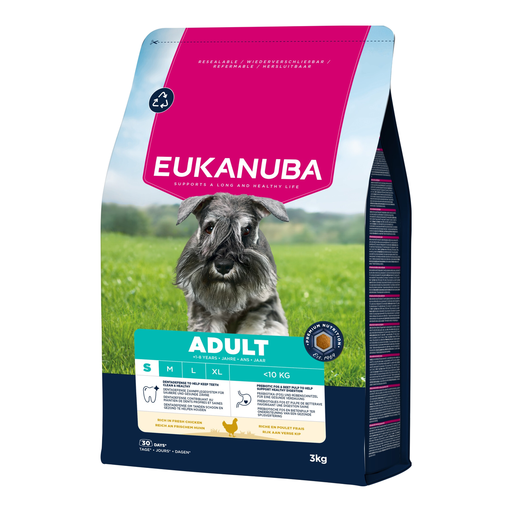
Why This Fits Their Persona: This food is specifically developed for the needs of adult small-breed dogs. The focus is on weight management and dental care, two common concerns for smaller dogs.
This food avoids the "one-size-fits-all" trap by offering a formula tailored to the faster metabolism and smaller jaw of small breeds. The ingredient list specifies "fresh chicken" as the protein source.
According to Eukanuba, the special hexagonal kibble with DentaDefense technology helps keep teeth clean. The addition of L-carnitine supports fat burning.
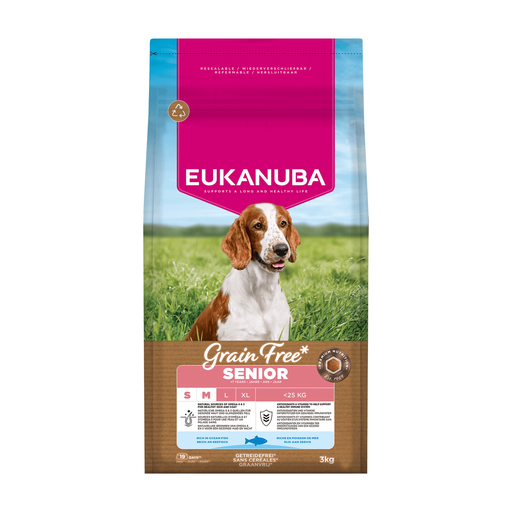
Why This Fits Their Persona: This is a good option for older dogs (7+ years) who are sensitive to grains or chicken. The formula is focused on supporting the joints and immune system of the senior dog.
This kibble applies the "grain-free" trend correctly: as a solution for dogs with specific sensitivities. It is not a generic food, but specifically senior dog food with a low-allergen recipe.
The formula is rich in ocean fish as a protein source and contains no chicken. According to the manufacturer, glucosamine and chondroitin are added to help maintain healthy joints.
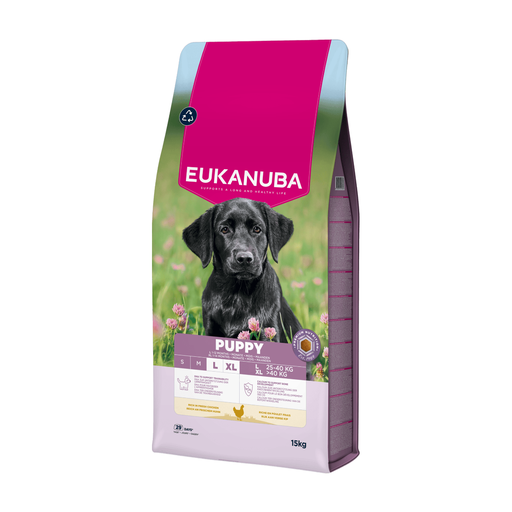
Why This Fits Their Persona: Owners of large-breed puppies know that controlled growth is essential. This puppy food is specially formulated to support the bones and joints of a large, growing dog.
This is the opposite of a "one-size-fits-all" kibble. It is specifically large breed dog food for the puppy stage, with a precisely balanced nutritional value to help prevent growing pains.
According to the product information, the food contains an adjusted calcium level for proper bone development and DHA to support the puppy's learning ability.
We have compiled a complete, up-to-date list of products that meet these strict selection criteria and current guidelines.
Switching to a new food should be done gradually to prevent stomach and intestinal issues. Over a period of 7 to 10 days, mix increasing amounts of the new food with the old food. Start with 25% new and 75% old, and slowly increase the ratio until your dog is completely on the new kibble.
The main difference is in the nutritional value. Puppy food contains more calories, protein, fats, and specific minerals like calcium and phosphorus to support rapid growth and development. Adult dog food is focused on maintenance and has a lower energy density to prevent obesity.
Most dogs can digest grains just fine. Grain-free dog food is primarily intended for dogs with a diagnosed grain allergy or intolerance. Symptoms can include skin problems (itching, rashes), gastrointestinal issues (diarrhea, flatulence), or ear infections. If you suspect this, it is always wise to discuss it with a veterinarian first before changing your dog's diet.
