
Vandaag of morgen in huis

Kwaliteit gegarandeerd

Welkomstaanbiedingen ontgrendelen: GRATIS bezorging | Tot 80% korting | Gratis 30 dagen JoyPlus-proefperiode
Download de app
A bag of dog food labelled with terms like 'premium', 'grain-free' or 'high-protein' can seem like a safe bet. However, these words don't tell the whole story. The right choice depends on your dog's life stage, size, activity level, and the food's composition.
As a Joybuy Product Recommendation Officer, I filter product information based on verifiable facts. This helps you quickly see which dog food is right for your dog and avoid paying for claims that say little about its daily nutritional value.
A claim like '85% animal ingredients' sounds impressive, but you should always check what that percentage is made of. Is it fresh meat, dried proteins, organs, or a combination? Fresh meat also contains a lot of water, which means its proportion can change after cooking.
That's why it's important to look at the full ingredients list and the analytical constituents, such as crude protein, fat, fibre, ash, and moisture.
Grain-free dog food contains no grains, but it often includes ingredients like peas, chickpeas, sweet potato, or potato. This means 'grain-free' doesn't automatically mean lower in carbohydrates or easier to digest.
Choose this type of food mainly if the composition suits your dog. If you suspect a food sensitivity, it's wise to ask a vet for advice.
A complete pet food is designed to be your dog's main daily meal, fed according to the instructions on the packaging. A complementary product, such as some food toppers or dog treats, is not.
Also, check whether the food is intended for puppies, adult dogs, or all life stages. Puppy food has different nutritional goals than food for adult dogs.
Start with your dog's age and size:
Small kibble isn't always necessary for a small dog, but it can be more practical. For large or active dogs, bigger bags, such as 11.4 or 12 kg, are often more convenient. Store dry food in a cool, sealed container.
Ingredients are usually listed in descending order of weight. If you're looking for dog food with fish, lamb, or venison, it's a good idea to check that the named protein source appears near the top of the list.
Examples:
A single-protein formula can be easier to understand, but always check the full list. Added fish oil or other animal-derived ingredients can be relevant if your dog is on a strict elimination diet.
Don't just compare the protein percentage. A food with 38% crude protein might also contain 18% fat, making it more energy-dense than a lower-fat option. The right amount depends on factors like weight, activity level, age, and body condition.
It's best to introduce a new food gradually, for example, over seven to ten days. This allows you to see how your dog reacts to the new diet. Always provide plenty of fresh drinking water.
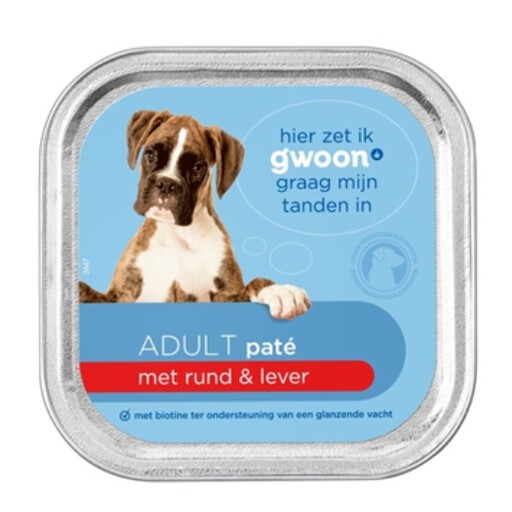
Why it fits this profile: A small cup of wet food is a practical way to try it out first, or to use as a complementary food alongside dry kibble for an adult dog.
The packaging states the 150 g size and the ingredients, so you don't have to buy a large supply straight away.
Wet food with beef and liver; once opened, refrigerate and use within a maximum of 48 hours.
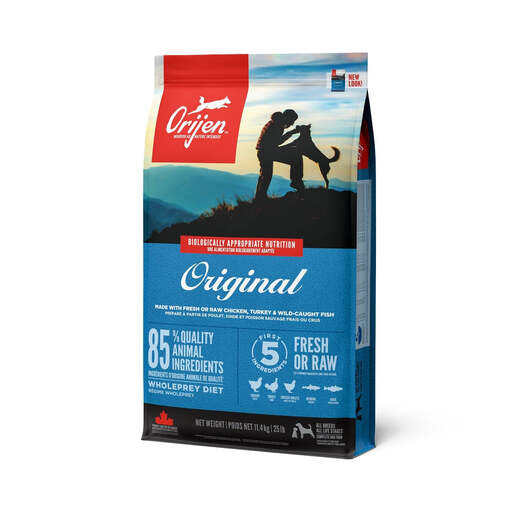
Why it fits this profile: The recipe combines chicken, turkey, herring, cod, and egg for owners who are looking for multiple animal protein sources.
The product information shows specific percentages and analytical values, rather than just general terms like 'natural'.
38% crude protein, 18% crude fat, and an 11.4 kg bag; suitable as a complete food according to the product information.
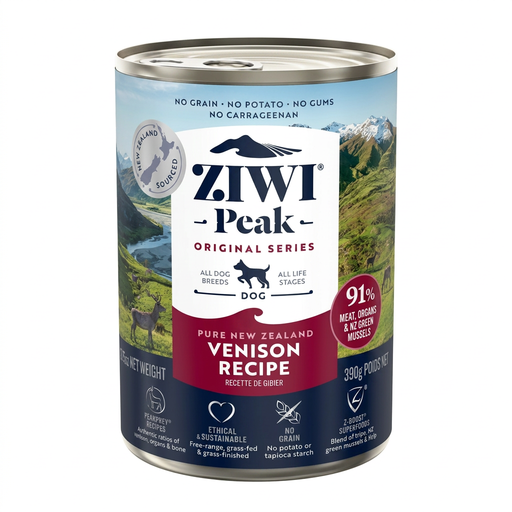
Why it fits this profile: A wet food option with venison as the named protein source, designed for owners seeking a recipe with a limited choice of animal proteins.
The ingredients list clearly shows that in addition to venison, it also contains ingredients like chickpeas and green-lipped mussel.
92% venison, organs, and bone according to the product information; available in a 390 g tin.
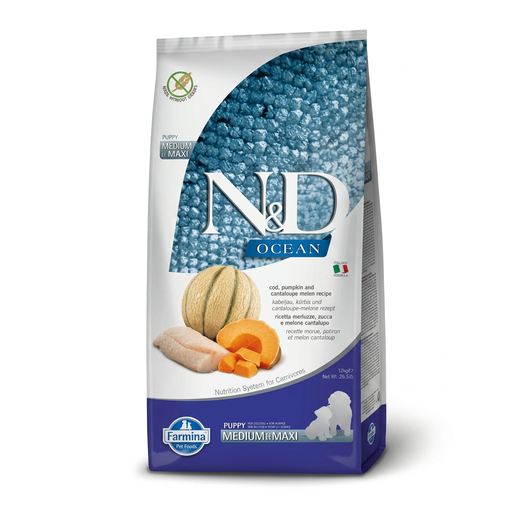
Why it fits this profile: This puppy formula is designed for medium and large-breed pups and contains cod, herring, and pumpkin.
The life stage and target group are clearly stated in the product name, so you won't accidentally choose it as an adult food.
12 kg of dry dog food with 28% cod and 27% dehydrated cod protein, according to the ingredients list.
We have compiled a complete, up-to-date list of products that fully meet these strict selection criteria and comply with current European safety regulations.
Dry dog food is easy to portion and practical for daily meals. Pay attention to the calories per serving and make sure to seal the bag properly.
Wet dog food has a high moisture content and is a great choice if your dog prefers softer food. Once opened, it must be kept refrigerated. Check whether the product is a complete or complementary food.
Dog treats are intended as a reward and not as a replacement for a complete meal. Keep the quantity limited; for example, the G’woon Beef Strips packaging states that treats should not make up more than 10% of your dog's daily calorie intake.
Follow the guidelines on the packaging and divide the daily portion into several meals. Puppies are often fed more frequently throughout the day than adult dogs. Adjust the amount based on activity level and body condition.
Mix the new food with the old food gradually, usually over about seven days. Increase the proportion of new food each day. Don't stop abruptly if your dog has a sensitive reaction, and if problems persist, ask a vet for advice.
When stored in a cool, dry, and sealed container, dry food is best used by the date on the packaging. Wet food should be refrigerated after opening and, according to the label, should typically be used within one to two days. Always check the packaging for specific instructions.
