
Vandaag of morgen in huis

Kwaliteit gegarandeerd

Welkomstaanbiedingen ontgrendelen: GRATIS bezorging | Tot 80% korting | Gratis 30 dagen JoyPlus-proefperiode
Download de app
Choosing a desk seems simple until you realise just how much they vary in size, storage, stability and adjustability. A narrow desk might fit neatly in a student room, but leave little space for a monitor and documents. A large computer desk, on the other hand, could be impractical in a small home office.
As Joybuy Product Recommendation Officer, I filter product information by verifiable specifications. This helps you separate marketing claims from the features you really need to check before buying.
A white desk, a wood-effect finish or a black metal frame might suit your interior, but tells you little about how practical it is. Always check the width, depth and height. A desk that’s 50 cm deep is compact, but may feel cramped when you’re using a monitor, keyboard and work documents at the same time.
Also consider legroom. Drawers, a back panel or a wide cable tray can take up space that isn’t immediately obvious in product photos.
The stated weight capacity is usually a maximum static load. That doesn’t automatically mean the desk is suitable for heavy equipment that’s moved frequently or placed on one side. Add up the weight of your monitors, computer, speakers and accessories, and leave some capacity in reserve.
With an electric height-adjustable desk, you should also consider the total weight while it’s moving up and down.
Many desks are supplied flat-packed. Check whether assembly instructions and fixings are included. Desks with tall shelves or drawers may need to be secured to the wall to prevent them from tipping, as stated in the product description.
Electric models need a little extra care: place the desk on a level surface, keep moving parts clear and prevent liquids from coming into contact with electrical components.
Choose the size based on how you’ll use the desk:
A desk with storage or drawers helps keep books, cables and stationery out of sight. Check the exact layout: some product pages describe drawers and open compartments differently from the technical specifications table. So check both the photos and the list of included parts.
A traditional desk is usually a fixed height of around 75 to 76 cm. This is straightforward and often affordable, but you can’t adjust the working height to suit your chair or height.
A sit-stand desk or electric height-adjustable desk gives you more flexibility. Check:
According to the product descriptions for several electric models in this selection, the height range is around 72 to 118 or 120 cm, for example, and the maximum static load is 70 kg. These are verifiable product specifications, not a guarantee that every user will have the same experience.
A desk top made from engineered wood or chipboard is often practical and easy to clean. Check the thickness, edge finish and frame, too. A metal frame with adjustable feet can help keep a desk stable on a floor that isn’t completely level.
For an office desk, study desk or gaming setup, also look for cable ports. A tidy cable route helps prevent plugs from dangling over the edge and makes it easier to move your equipment.
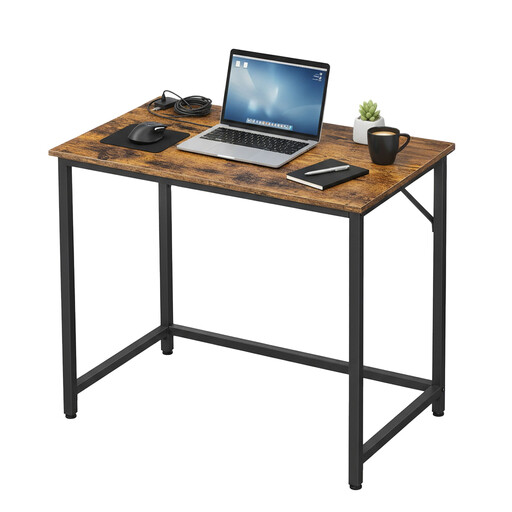
Why it suits this user: Its compact size is ideal for a laptop, writing or a simple study space in a bedroom or student room.
The dimensions and maximum static load of 50 kg are clearly stated, making it easier to work out what you can put on the desk before buying.
80 x 50 x 76 cm, steel frame, adjustable feet and, according to the product description, straightforward assembly.
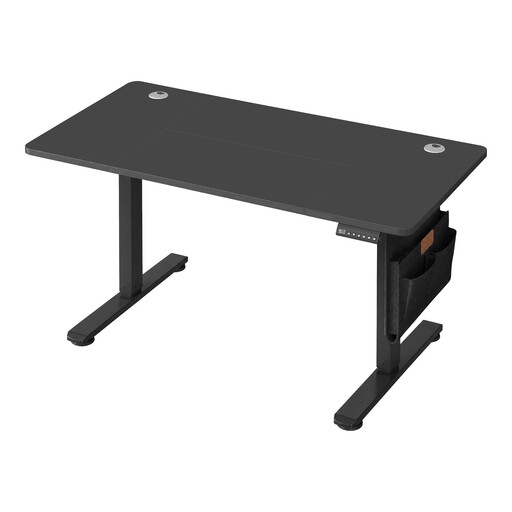
Why it suits this user: This model combines a spacious work surface with electric height adjustment, making it a good choice for working or studying at home every day.
The 72–120 cm height range, maximum static load of 70 kg and safety instructions are all clearly specified.
160 x 70 cm work surface, memory function, USB-C port, cable ports and adjustable feet.
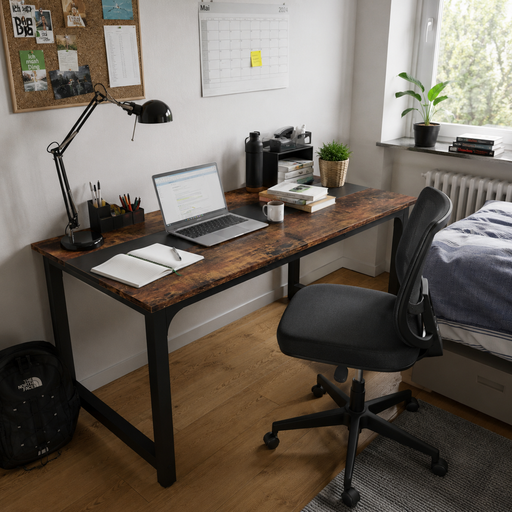
Why it suits this user: The wide, deep work surface is suitable for multiple screens, a printer, writing or a spacious gaming setup.
The product description specifies its construction, additional supports, adjustable feet and maximum stated load of 400 kg.
160 x 80 cm work surface, steel frame, adjustable feet and a fixed height of 75 cm.
We’ve put together a complete, up-to-date list of products that meet these strict selection criteria and the current European safety regulations.
A fixed-height desk is often around 75 to 76 cm tall. This is a standard size, but it won’t be ideal for every chair or user. With an adjustable model, you can set the height to suit your sitting position and screen. Make sure your arms can rest comfortably and that there’s enough room for your knees and legs.
How long a desk lasts depends on its materials, load, assembly and care. A sturdy frame, securely tightened fixings and keeping it dry can all help reduce wear. If your desk has drawers or shelves, it’s important to secure it to the wall whenever the product instructions say to. Check the screws, feet and any electrical connections regularly.
Power consumption depends on the motor, how often you adjust the desk and its standby mode. A desk will typically only move for short periods each day. Models with an energy-saving mode can reduce power use when not in use. Always follow the electrical instructions supplied and don’t use an adapter with the wrong voltage.
