
Vandaag of morgen in huis

Kwaliteit gegarandeerd

Welkomstaanbiedingen ontgrendelen: GRATIS bezorging | Tot 80% korting | Gratis 30 dagen JoyPlus-proefperiode
Download de app
Conditioner may seem like a simple product, but there’s a big difference between a lightweight hair conditioner and a rich, repairing conditioner. The wrong choice can leave fine hair limp, while dry or damaged hair may need extra care. Marketing claims such as “intensive repair”, “more volume” or “shiny hair” don’t always tell you enough about the formula.
Use this practical checklist to focus on features you can check: hair type, intended use, ingredients, size and directions for use.
A nourishing conditioner or conditioner for dry hair may contain ingredients such as oils, glycerine, keratin or silicones. These tell you more about the formula than a general claim on the front of the pack. A brand may cite certain results based on its own research, but those claims don’t necessarily apply to every user.
So, check the full product description and ingredients list. A conditioner with oils and silicones may leave your hair feeling smoother, while a formula with glycerine is mainly designed to help retain moisture. If you have fine hair, a very rich formula may feel heavy.
Most conditioners are designed for the mid-lengths and ends, not the scalp. Applying conditioner from the roots can make some hair types feel greasy or heavy more quickly. Always follow the directions on the packaging.
An anti-dandruff conditioner or scalp conditioner may be different. Check that the product is specifically intended for the scalp, and take note of any warnings about ingredients such as salicylic acid, perfume or menthol.
A 440 or 550 ml bottle may seem like good value, but it’s less practical if the formula isn’t right for your hair. A smaller size may be more convenient to try first, especially for an intensive conditioner, a leave-in conditioner or a product with a strong fragrance.
Also compare the amount per pack, the number of items and the recommended leave-in time. A multipack may suit daily use, while a treatment for damaged hair may be used less often.
Start by choosing a product that suits your main concern:
Bear in mind that “suitable for all hair types” is a broad claim. It doesn’t mean every user will have the same experience.
Check the ingredients list for anything you may be sensitive to. Many conditioners contain perfume and fragrance ingredients such as limonene, linalool or hexyl cinnamal. Some formulas contain silicones, such as dimethicone or amodimethicone. These can leave hair feeling smoother, but may not suit every hair care routine.
Want to avoid silicones? Look for a product that explicitly says it’s silicone-free. For example, the product information for Shiseido Ma Cherie Air Feel Conditioner describes it as a silicone-free formula. Check the packaging when you buy, as ingredients lists may change.
A standard conditioner is usually rinsed out after one to three minutes. Some intensive products need to be left on for a few minutes. A leave-in conditioner, on the other hand, isn’t rinsed out and should usually be worked through the mid-lengths and ends.
Also check:
A pump bottle can be handy in the shower, while a tube is easy to take with you.
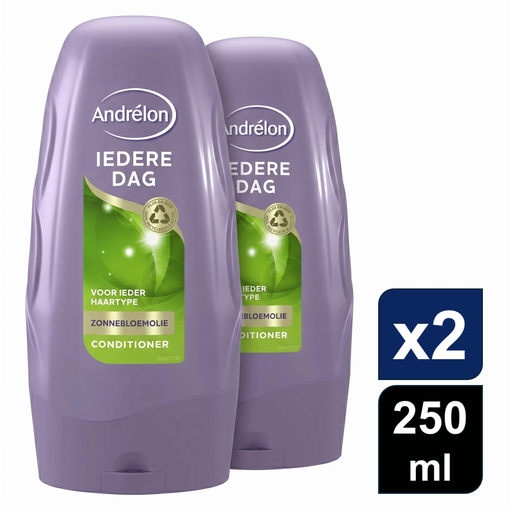
Why it suits this profile: The pack contains two 250 ml bottles and, according to the product description, is designed for daily use and all hair types. This makes it a practical choice for a regular hair care routine.
The product information mentions daily use and a lightweight formula. Do check that the ingredients, including perfume and silicones, suit your preferences.
250 ml per bottle, two bottles per pack and a recommended leave-in time of one to two minutes.
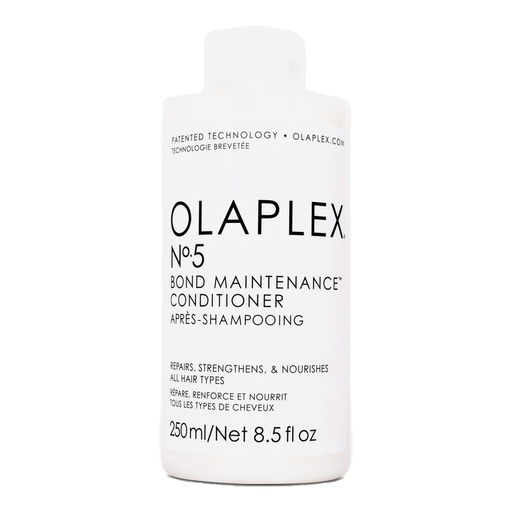
Why it suits this profile: The product information highlights hydration, care and suitability for all hair types, including coloured and bleached hair. The 250 ml size is easy to manage at home or on the go.
The product details describe it as vegan, paraben-free, sulphate-free and colour-safe. Check the current packaging and ingredients list before buying.
250 ml, a cream formula and a product description focused on hydration and care for different hair types.
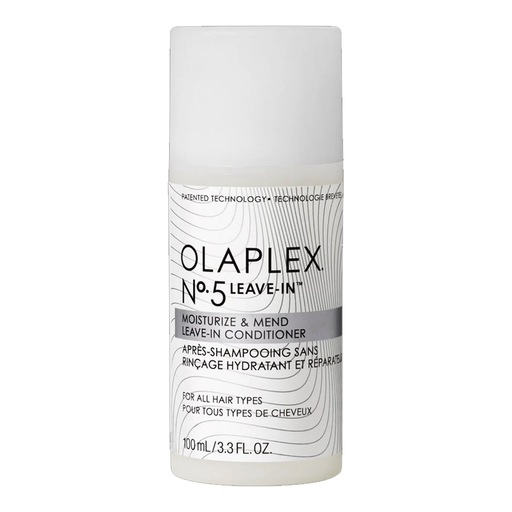
Why it suits this profile: This leave-in conditioner is for anyone looking for extra care and easier styling after washing, without rinsing it out. The product information focuses particularly on damaged hair and use on towel-dried hair.
The directions are clear: apply from the mid-lengths to the ends and don’t rinse out. This makes it easy to see how it differs from a standard conditioner.
100 ml, no rinsing needed and, according to the product description, suitable for use after heat or chemical treatments.
We’ve put together a complete, up-to-date list of products that meet these strict selection criteria and current European safety regulations.
Stop using the product if irritation occurs. Avoid contact with your eyes and read the warnings on the packaging.
If you wash your hair daily, you can use a lightweight conditioner every day. A rich conditioner for dry or damaged hair may be better used less often. See how your hair feels and follow the product advice.
Yes, but choose a lightweight formula and apply it mainly to the ends. Products described as not weighing hair down, such as some daily or lightweight conditioners, are a better match for fine hair than a deep conditioner.
A standard conditioner is rinsed out after a few minutes. A leave-in conditioner stays in your hair and is usually applied to towel-dried hair. Always check the directions, as the two types of product are designed to be used differently.
