
Vandaag of morgen in huis

Kwaliteit gegarandeerd

Welkomstaanbiedingen ontgrendelen: GRATIS bezorging | Tot 80% korting | Gratis 30 dagen JoyPlus-proefperiode
Download de app
Collagen is available as powder, supplements, drinks, tablets and skincare. This wide range can make comparing products difficult. For example, a high dosage displayed on the front does not always tell you how easy the product is to use, how much you need per day or whether it suits your dietary requirements.
When buying collagen, you are most likely to encounter three common pitfalls:
That is why a good choice starts not with the promise on the front of the pack, but with the label, the ingredients and how you intend to use the product every day.
Always compare the amount of collagen per daily dose, rather than just the number of grams in the pack. Products can vary considerably:
A higher amount is not automatically more suitable. Also look at the recommended dosage, the number of servings and the total cost of use. Check whether the term “collagen” refers to hydrolysed collagen peptides, as this form is often used in supplements and dissolves easily in drinks or food.
The practical format often determines whether you can stick to a routine.
Marine collagen is generally extracted from fish. Always check the allergen information. For example, Vital Proteins Marine Collagen states that the product contains fish and may contain milk. Bovine collagen, as found in certain Vital Proteins and Body & Fit products, comes from a different source.
Vitamin C is added to various products. The product information for Lucovitaal Super Collagen 2500 mg Sachets states that vitamin C contributes to normal collagen formation. This is an authorised nutrition claim subject to conditions, not a promise that wrinkles will disappear or that your skin will visibly change. Hyaluronic acid is also found in several formulas, but its presence alone says nothing about a guaranteed hydrating effect.
For cosmetics, it is sensible to check for fragrance, alcohol, preservatives and potential allergens. Test a new serum or cream on a small area of skin first. Stop using it if irritation occurs and avoid applying it to damaged skin.
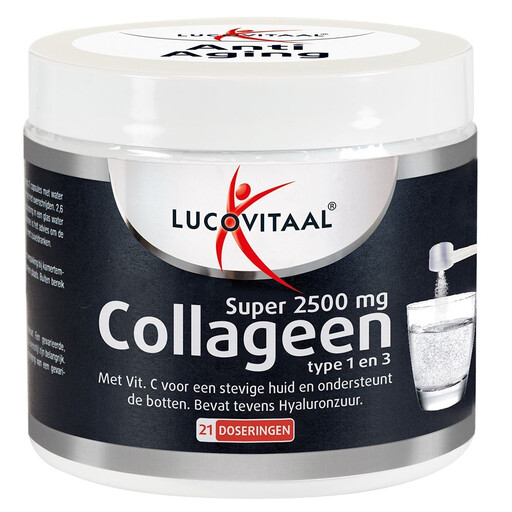
Why it suits this profile: The tub contains 21 pre-measured doses and requires one preparation with water or fruit juice per day. This makes it an easy way to get started.
The dosage is clearly stated: 2.6 grams of powder per day, providing 2,500 mg of collagen peptides, 60 mg of vitamin C and 20 mg of hyaluronic acid.
Powder format, 21 servings and, according to the product information, none of the 14 major EU allergens.
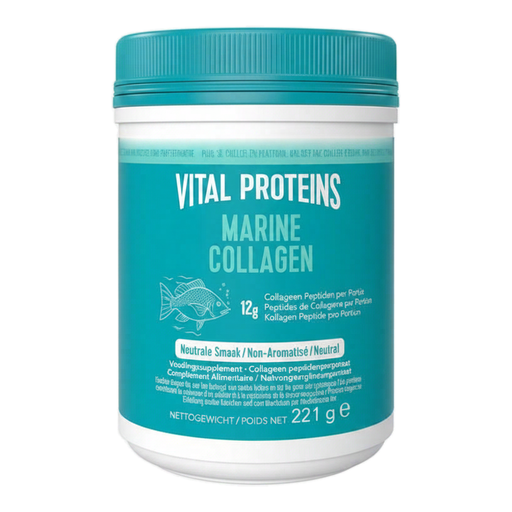
Why it suits this profile: This marine version is an appealing option for adults looking for fish collagen and a neutral powder to add to hot or cold drinks.
The product information states both the source and the serving size: white fish and 12 grams of collagen per serving, with 18 servings per pack.
Unflavoured, lactose-free and gluten-free according to the product details; it does, however, contain fish and may contain milk.
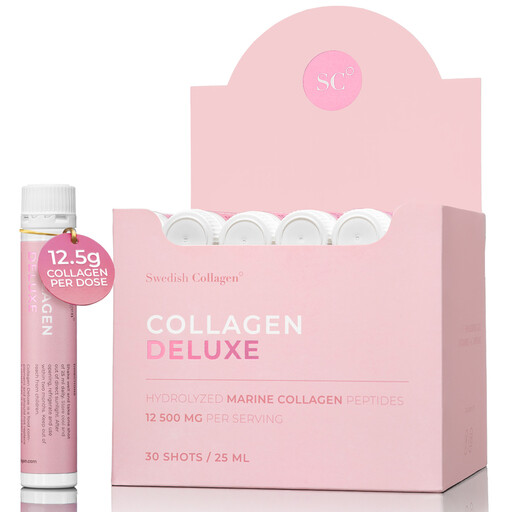
Why it suits this profile: The 25 ml shots are pre-dosed and suit active users or anyone who does not want to mix powder while on the go.
The daily amount is clearly defined: according to the product information, one shot contains 12,500 mg of hydrolysed marine collagen.
30 ready-to-drink servings, plus vitamin C, hyaluronic acid, biotin and vitamin D; may contain fish.
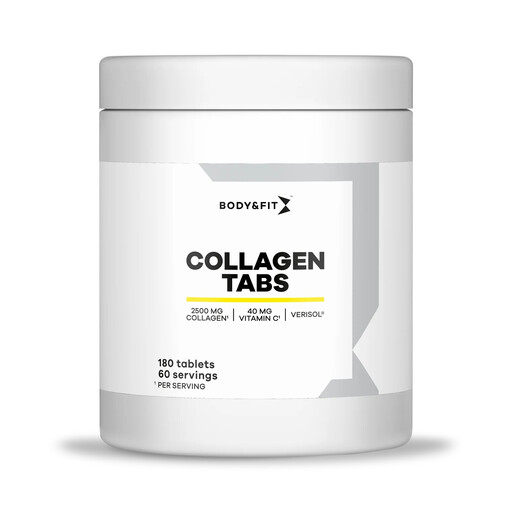
Why it suits this profile: Tablets are practical for anyone who wants a fixed routine with water and does not want any flavour or preparation in the morning.
The recommended daily amount is three tablets. This means you can estimate the number of doses and the duration of use in advance.
180 tablets, 60 servings, 2,500 mg of Verisol collagen and 40 mg of vitamin C per daily dose.
We have put together a complete, up-to-date list of products that fully meet these strict selection criteria and the applicable European safety regulations.
A collagen supplement is a food product and should be taken according to the instructions on the label. A collagen serum, cream or mask is used externally. Cosmetics containing collagen, niacinamide or hyaluronic acid may temporarily leave your skin feeling more comfortable or hydrated, depending on the formula and your skin type. Brands’ claims about firmness, glow or elasticity should be read as the manufacturer’s product information, not as a guaranteed result.
When it comes to skincare, also check how often the product should be used. A serum is often applied daily, while a hydrogel mask, for example, may be used once or twice a week. Do not combine several intensive products without considering how your skin may react, particularly if it is sensitive.
This depends on the product and the instructions on the packaging. Follow the recommended daily dosage and do not exceed it. Supplements are not a substitute for a varied diet. If you take medication, are pregnant or breastfeeding, or have a medical condition, check the product information first and ask a doctor or pharmacist for advice if necessary.
No. Marine collagen comes from fish. Products containing bovine collagen are not vegetarian either. Also look out for terms such as “vegan collagen”. This may refer to a formula that does not contain animal collagen but instead uses ingredients intended to support skincare, for example. Always check the full ingredients list.
Powder offers flexibility and is often easy to add to a smoothie or drink. Tablets are convenient if you do not want any flavour and prefer a fixed routine. A collagen drink or shot is pre-dosed and easy to take with you, but may cost more per serving. Above all, choose the format you can use consistently according to the instructions for use.
