
Vandaag of morgen in huis

Kwaliteit gegarandeerd

Welkomstaanbiedingen ontgrendelen: GRATIS bezorging | Tot 80% korting | Gratis 30 dagen JoyPlus-proefperiode
Download de app
Buying cat food seems straightforward, until you have to choose between dry cat food, wet food, grain-free recipes, treats and food for a specific life stage. Packaging is often covered in terms such as “natural”, “for sensitive cats” or “supports the urinary tract”. These descriptions only mean something when you compare them with the ingredients list, analytical constituents and nutritional status.
As a Joybuy Product Recommendation Officer, I therefore start by looking at verifiable product information. This helps you avoid paying for attractive packaging and choosing a product that does not suit your cat’s age, activity level or daily needs.
Not every product containing meat or added vitamins is suitable as a main meal. Check that the packaging states that it is complete food. Cat treats and snacks are usually complementary food and should not replace your cat’s daily meal.
For example, INABA Churu is intended as a treat or topping. According to the product information, the snack contains 86 to 91% moisture, but it is not a complete meal. Follow the recommended amount and continue to provide complete cat food as normal.
Grain-free cat food contains no grains, but that does not automatically mean every cat will tolerate it better. A recipe may contain other sources of carbohydrates, such as peas, chickpeas, tapioca starch or quinoa. So check the full composition rather than just the front of the bag.
If gastrointestinal problems, itching or changes in urination persist, it is advisable to consult a vet. Food can form part of your cat’s daily care, but it is not a substitute for professional assessment.
Dry food contains little moisture, making it practical to store. At the same time, a cat can easily eat too much if the portion is not weighed. Wet food and liquid snacks provide more moisture, but once opened they should be stored according to the packaging instructions.
A large bag is only good value if your cat accepts the food well and you can store it in an airtight container in a cool, dry place. Otherwise, a smaller pack may be the wiser purchase.
Choose a product labelled complete food for cats as the basis of your cat’s diet. Also pay attention to the intended group:
A snack such as INABA Churu or a dental-care snack belongs to the complementary food category. Give it alongside the main meal and adjust the total daily calorie intake if necessary.
The analytical constituents help you compare products more fairly. According to the product information, Farmina N&D Quinoa Cat Digestion Lamb contains 36% crude protein, 20% crude fat, 2% crude fibre and 10% moisture, for example. The composition lists fresh and dried lamb, herring meal, quinoa, peas and fish oil.
For a cat with a sensitive stomach, the protein percentage is not the only important factor. Also consider the protein sources used, the fibre content and how your own cat responds. Introduce new cat food gradually, usually over around seven days, to minimise sudden changes.
Food for a specific need requires a suitable composition:
According to Purina’s own research, the brand reports a 24% reduction in unpleasant faecal odour after 14 days with Purina One Sensitive Adult. This is a brand claim and not a general guarantee for every cat. The product information also lists turkey as the first ingredient and states that no wheat has been added.
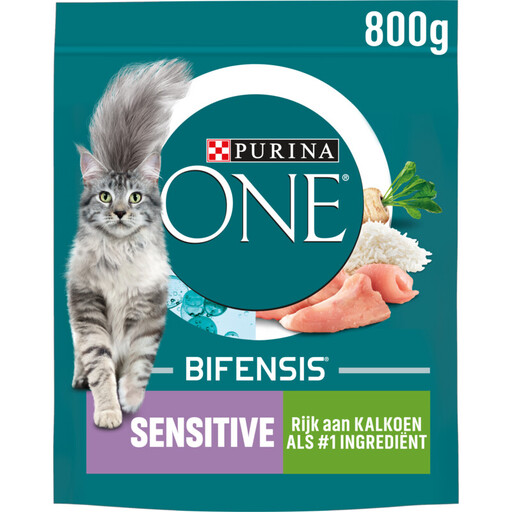
Why it suits this profile: An easy-to-manage 800g pack is practical when you first want to see whether your adult cat accepts the food. This variety is intended as complete food for adult cats.
The product information clearly states the nutritional status and composition. However, always check the current packaging and feeding quantities.
Turkey is listed as the first ingredient; according to the product description, the formula contains no added wheat.
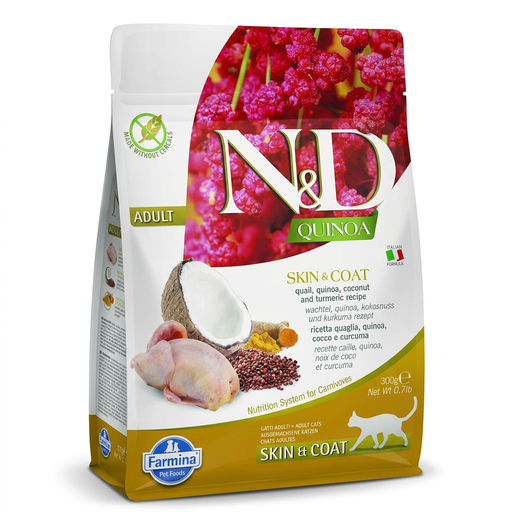
Why it suits this profile: This small pack is suitable for owners who want to try a recipe with specific nutritional constituents without buying a large bag straight away.
The product details show specific values rather than just making a general skin and coat claim, including omega 3 at 1.20% and omega 6 at 2.00%.
Grain-free composition; quinoa and fish oil are included in the ingredients list.
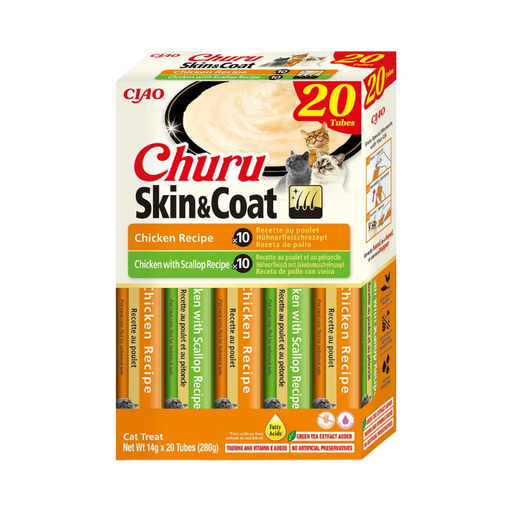
Why it suits this profile: Handy as a complementary snack, topper or reward. The soft texture and high moisture content suit cats that show little interest in ordinary cat treats.
The packaging clearly states that this is complementary food. This makes it less likely that you will accidentally use the snack as a main meal.
86% moisture; 20 sticks of 14 grams; suitable for giving separately or over dry food.
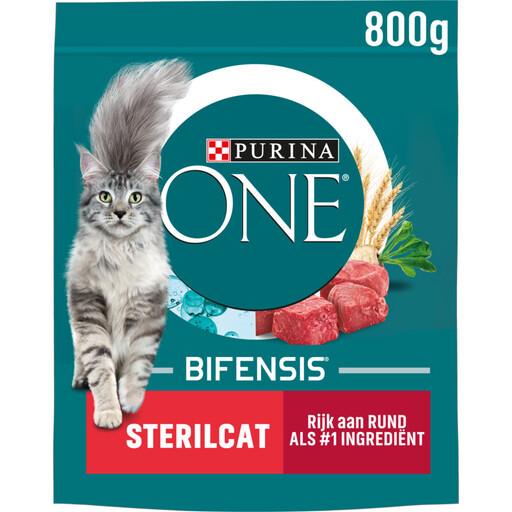
Why it suits this profile: This complete food is specifically labelled for spayed or neutered adult cats and includes a feeding guide by body weight.
The guidelines specify different portions for cats weighing 2 to 6 kg. This helps you avoid relying solely on your cat’s appetite.
37% crude protein; 13% fat; a balanced mineral content and feeding guide for spayed adult cats.
We have put together a complete, up-to-date list of products that fully meet these strict selection criteria and the applicable European safety regulations.
Look for a complete formula with clear ingredients and a limited number of easily recognisable protein sources. Farmina N&D Quinoa Cat Digestion Lamb lists lamb, herring meal, quinoa and peas. Introduce the food gradually and monitor your cat’s response. If problems persist, consult a vet.
Complete dry food can form the daily basis of your cat’s diet if its composition is suitable. As dry food contains little moisture, fresh drinking water should always be available. Some cats drink very little; in that case, combining dry food with wet food or a moist complementary snack may be practical, without losing sight of the total portion.
This varies according to the product and your cat’s body weight. According to the product information, INABA Churu usually recommends one to three sticks per day, while other cat treats specify their own maximum. Keep complementary food limited, adjust the main meal if necessary and check that the snack makes up no more than a small part of your cat’s daily calorie intake.
