
Vandaag of morgen in huis

Kwaliteit gegarandeerd

Welkomstaanbiedingen ontgrendelen: GRATIS bezorging | Tot 80% korting | Gratis 30 dagen JoyPlus-proefperiode
Download de app
Choosing the right cat food can feel like navigating a maze. The shelves are lined with packages that promise the world, but what does your cat actually need? As a Product Recommendation Officer at Joybuy, I see the challenges cat owners face every day. A lot of money is wasted on food that doesn't suit the cat or, worse, is full of vague ingredients. Let's look at the most common pitfalls so you can make an informed choice.
Pitfall 1: The "with flavour of" deception. A package that screams "with chicken" may, by law, contain as little as 4% chicken. If it says "with chicken flavour"? The percentage could be even lower. You're paying for a promise that the ingredients list doesn't always deliver on.
Pitfall 2: The "one-size-fits-all" myth. A kitten has different nutritional needs than a 12-year-old senior. And an active outdoor cat burns more energy than a sterilised indoor cat. Standard food ignores these crucial differences.
Pitfall 3: Fixating on the cat food special offer. A low price is tempting, but if it comes at the expense of nutritional value, it can lead to a lethargic cat or extra vet visits in the long run.
Before you make a choice, there are a few basics you need to check. This will help you see past the marketing and focus on what matters.
The choice between wet cat food and dry cat food is a common dilemma. Neither is inherently better; they have different advantages.
A popular approach is to combine both: dry food as a base that is available throughout the day, and one or two servings of wet food per day as a tasty, moisture-rich meal.
A cat's nutritional needs change throughout its life.
Always look at the ingredients list. The ingredients are listed in order of weight. A good indicator is a clear meat or fish source (e.g., "chicken," "salmon," "beef") as the first ingredient. Terms like "meat and animal derivatives" are vague, but not necessarily bad. They can contain nutritious organs, but the origin is unclear. Brands like Felix cat food and Whiskas cat food often provide a clear specification of the animal sources used.
To help you get started, I've selected a few products that suit different types of cat owners in the Netherlands.
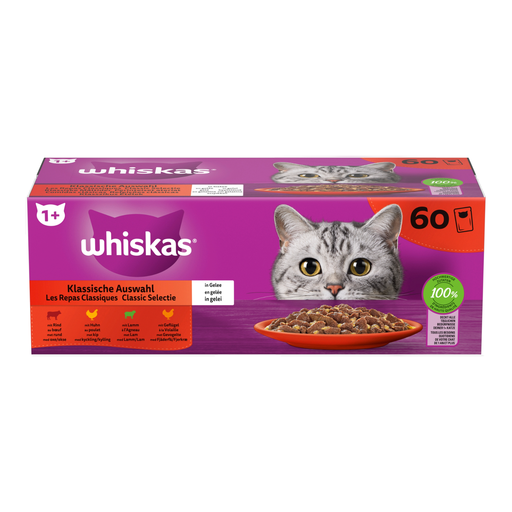
Why This Fits Their Persona: Ideal for those seeking a reliable, complete meal without paying a premium. This bulk pack offers excellent value for money and ensures you're set for a while.
This product bypasses the pitfall of a vague special offer. You get a large quantity of complete and balanced meals from a well-known brand, ensuring your cat receives all essential nutrients.
Bulk supply of 60 pouches in four classic flavours. The food is 100% complete and balanced for adult cats.
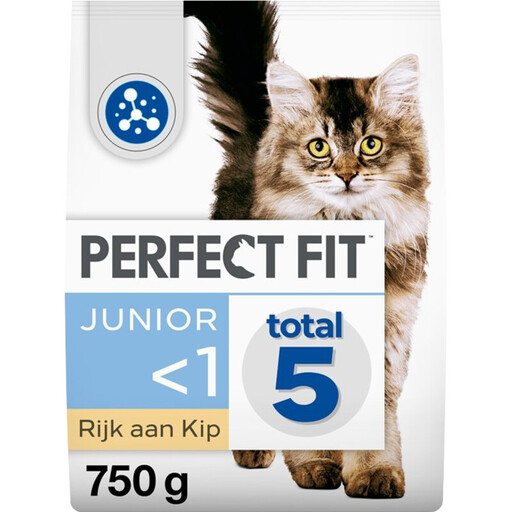
Why This Fits Their Persona: When you have a new kitten, you want to ensure they get the right start in life. This food is specifically designed for the unique needs of a growing cat.
This product avoids the 'one-size-fits-all' pitfall. It delivers the increased protein and calcium levels essential for muscle and bone development, something standard adult food doesn't provide.
High protein content (41%) for healthy growth. Contains balanced calcium and phosphorus levels for the development of strong bones.
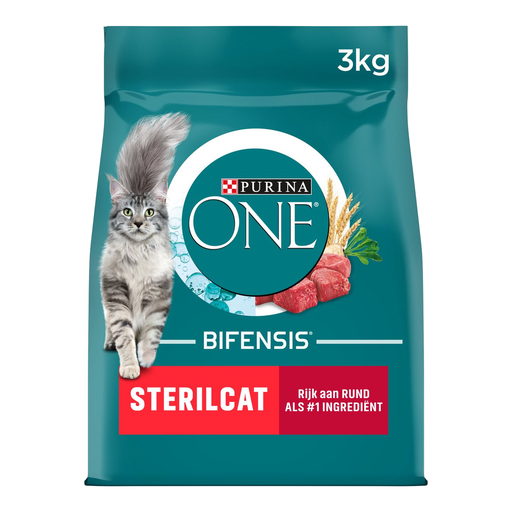
Why This Fits Their Persona: For cats that are sterilised or neutered and live primarily indoors. This food is tailored to their lower energy needs and helps keep their weight under control.
This food directly addresses the risk of weight gain after sterilisation. The higher protein-to-fat ratio (+15% compared to standard adult food) helps maintain a healthy metabolism, a common concern.
Specifically developed for weight management after sterilisation/neutering. Beef is the main ingredient for maintaining strong muscles.
We have compiled a complete, up-to-date list of products that meet these selection criteria and comply with Dutch regulations.
1. How much wet and dry food should I give my cat? The exact amount depends on your cat's weight, age, and activity level. The food packaging always provides a feeding guide. For example, a good guideline for an average adult cat (4 kg) is 2 pouches of wet food per day, supplemented with about 15-20 grams of dry food. Always provide fresh drinking water.
2. How do I safely switch to a new cat food? Always do this gradually to prevent stomach and digestive issues. Over a period of 7 to 10 days, mix increasing amounts of the new food with the old food. Start with 25% new and 75% old, and slowly increase the ratio until your cat has fully transitioned.
3. Is more expensive cat food always better? Not necessarily. A higher price can indicate more expensive ingredients, such as a higher percentage of fresh meat or specific additives. However, an affordable "complete" food from a reputable brand can contain all the nutrients your cat needs. The most important thing is that the food is "complete" and suits the life stage and health of your specific cat.
