
Vandaag of morgen in huis

Kwaliteit gegarandeerd

Welkomstaanbiedingen ontgrendelen: GRATIS bezorging | Tot 80% korting | Gratis 30 dagen JoyPlus-proefperiode
Download de app
A brush may seem like a simple product, but choosing the wrong one can quickly become frustrating. A toilet brush that won’t reach under the rim, a bottle brush that’s too short or an electric toothbrush with features you never use: these are common reasons for having to buy again.
When choosing a brush, don’t focus only on colour, price or marketing claims. Consider what you’ll use it for, the material, the dimensions and how to care for it. That way, you can choose a product that suits your household and how you plan to use it.
A cleaning brush for tiles isn’t automatically suitable for delicate surfaces. Stiff plastic bristles can be useful for grout or garage floors, but may not be right for painted surfaces. On the other hand, a soft body brush won’t be up to tackling stubborn dirt.
So start by choosing the right category:
A brush put away while wet can start to smell unpleasant more quickly and may be harder to keep clean. A brush with a holder is therefore practical for a toilet brush. Check that the holder allows water to drain away and is easy to clean.
For a bottle brush, a stand or hanging hole helps it dry between uses. For make-up brushes, a protective tube or cover can help the bristles keep their shape.
Brands may highlight results relating to cleaning, comfort or oral care. Treat these statements as manufacturer claims. According to Oral-B’s own information, certain electric toothbrushes may remove more plaque than a manual toothbrush under specific conditions. This isn’t a universal guarantee for every user.
Look for verifiable details such as a timer, pressure sensor, material, brush head, battery life, dimensions and included accessories. This information tells you more about whether a product is practical for your needs.
Plastic and polypropylene are common materials for household use. Polypropylene is moisture-resistant and is used for products such as toilet brushes and bottle brushes. The 37 cm blue toilet brush has a polypropylene handle, holder and bristles. Its bristles are 25 mm long and designed for use in the toilet bowl.
For baby bottles and narrow glasses, softer materials are usually more practical. The 5five Rubber Bottle Brush has rubber bristles, a non-slip handle and a ridged section to loosen stuck-on residue. Always check whether a product is dishwasher-safe; this is only confirmed when stated in the product information.
Synthetic fibres are commonly used for cosmetic applications. According to the product description, the docolor Mushroom Head Body Brush uses synthetic fibres and comes with a mesh tube to protect its shape. Use make-up brushes only as directed by the warnings on the packaging, and clean them regularly.
Choosing the right length can help you avoid awkward positions and reach difficult spots more easily.
Also consider the width of the brush head. A wide head works quickly over large surfaces, while a narrow one can get into bottle necks, corners and seams more easily.
Rinse your brush thoroughly after use and let it dry completely. Replace it when the bristles come loose, bend or lose their shape. The product information for the standard ORAL-B Toothbrush 1-2-3 Indicator 35 Medium states that it should be replaced every three months. For electric toothbrushes, remember to factor in replacement brush heads too.
Don’t use a toilet brush on other surfaces. For the 37 cm blue toilet brush, it’s also recommended that you avoid abrasive cleaning products and keep the holder dry.

Why it suits this need: A practical plastic brush for different areas of the home, including the kitchen, bathroom and garage.
The double brush is designed for a range of cleaning jobs, but it won’t replace a specialist brush for bottles or toilet bowls.
Plastic construction, a comfortable handle and suitability for different surfaces.
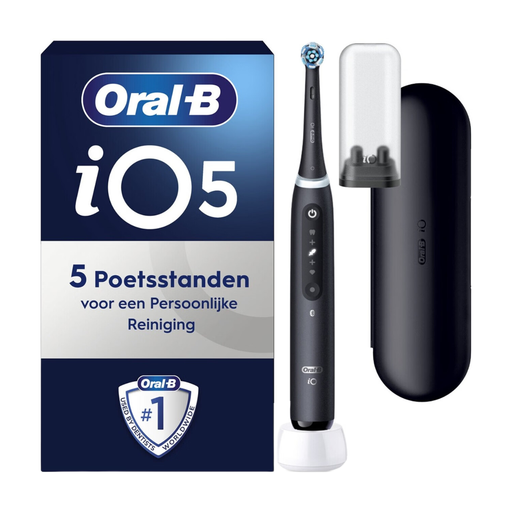
Why it suits this need: For adults looking for an electric toothbrush with multiple modes and a pressure indicator.
The specifications list five brushing modes, a timer and a pressure sensor. This lets you compare features rather than relying on advertising claims alone.
Round brush head, 60-minute battery life, timer and pressure feedback, according to the product details.

Why it suits this need: Designed for households that regularly clean baby bottles, teats, straws and breast pump parts.
The set includes separate tools for bottles, teats and straws, so you don’t have to use one wide brush for every narrow part.
A 7-piece set with a silicone bottle brush, teat brush, straw brush, drying rack and storage pouch.
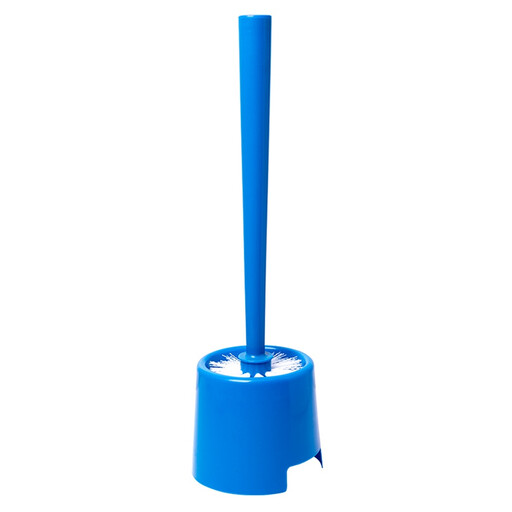
Why it suits this need: A compact toilet brush for homes, guest toilets or offices where space is limited.
The set comes with a holder and a compact 11.5 by 11.5 cm base, so the brush stays in one place.
37 cm overall height, 25 mm PP bristles and a holder included.
We’ve put together a complete, up-to-date list of products that meet these strict selection criteria and the applicable European safety regulations.
Replace a brush as soon as its bristles become bent, come loose or wear down. A replacement interval of around three months is often recommended for a standard toothbrush. For cleaning brushes, lifespan depends on how often you use them, the cleaning products you use and how you store them. A brush that stays damp all the time may need replacing sooner.
Choose a baby bottle brush with a narrow head and, if needed, separate brushes for teats and straws. Check that the materials are suitable for the cleaning method specified. The Momcozy set lists food-grade silicone, BPA-free plastic and boil-resistant silicone parts. Always follow the instructions on the packaging.
As well as the purchase price, you’ll pay for electricity or charging and replacement brush heads. So compare not only the toothbrush itself, but also the availability and price of compatible brush heads. A model with a timer or pressure indicator may offer extra features, but only choose them if you’re actually going to use them.
