
Vandaag of morgen in huis

Kwaliteit gegarandeerd

Welkomstaanbiedingen ontgrendelen: GRATIS bezorging | Tot 80% korting | Gratis 30 dagen JoyPlus-proefperiode
Download de app
When you’re looking for cleaning equipment, you’ll soon come across claims such as “extra powerful”, “long battery life” and “4-in-1”. But high suction power or a large number of accessories don’t tell you everything. The equipment needs to suit the surface, the cleaning task and the way you plan to use it.
For a Dutch household, compact appliances are particularly useful for everyday mess, while outdoor cleaning and car care call for different features. Read on to find out which specifications to check, which marketing pitfalls to avoid and which models may suit different needs.
A manufacturer may quote a high figure in Pa, watts or revolutions per minute. This is a measurable specification, but it doesn’t automatically guarantee better results on every surface. For example, a handheld vacuum with high suction power may be suitable for crumbs and sand, but less practical for cleaning an entire home if its battery runs out quickly or its dust container is small.
So, also check:
A cordless vacuum cleaner or car vacuum works without a cable while you’re cleaning, but it still needs to be charged. A window-cleaning robot is different: according to the product information, the model in this guide runs on mains power while in use. Its built-in battery is there as a safeguard in the event of a power cut, not as an independent power source.
Always check:
A hard cleaning brush for a drill can tackle dirt on tiles or alloy wheels, but it may also damage delicate paintwork, glass or leather. An electric polishing machine also requires the right pad, speed and pressure.
Use a soft brush on delicate materials and test it on an inconspicuous area first. Follow the instructions and wear safety goggles when using rotary brushes. Keep loose clothing and long hair away from moving parts.
For a handheld vacuum or car vacuum, suction power matters when you’re cleaning sand, hair and crumbs from crevices. For example, the EAFC handheld vacuum has a stated suction power of 16,000 Pa, a brushless motor and three speed settings. According to the product description, it’s designed for car interiors, sofas, keyboards and hard-to-reach areas.
A stick vacuum is better suited to larger areas. Don’t just look at the stated suction power: check the floor brush, weight and battery life too. The Lubluelu P2 lists a dust container capacity of around 0.8 to 1 litre, an anti-tangle brush and multiple filtration stages, among other features. The product specifications give different figures for suction power and run time, so check the current product page before ordering.
For a flat, 20 to 30 minutes may be enough for a quick clean. In a larger home, or if you have pets or several carpets, a longer run time is more practical. Bear in mind that the stated run time often depends on the setting you use. A higher setting will usually use up the battery more quickly.
For battery-powered products, also check the type of connection. A USB-C cable is handy for a compact car vacuum, while a stick vacuum often comes with its own charger. Use the recommended charger with lithium-ion batteries, and store the appliance somewhere dry and away from heat.
For a patio cleaner, the brush design and water control matter more than motor speed alone. The Gardena MultiCleaner AquaBrush Patio features a rotary brush, a telescopic handle and three water settings. According to the product information, it’s designed for materials including wood, composite-style WPU surfaces, stone and uneven patios.
Bear in mind that the set is supplied without a battery or charger. If you already own a battery from the 18V POWER FOR ALL system, this may be a practical advantage. However, check that your existing battery is actually compatible.
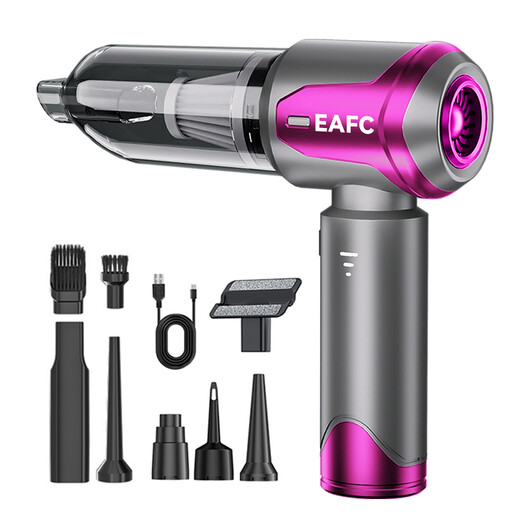
Why it suits this user: This compact model is designed for small cleaning jobs in the car, at home, in the study or while travelling. According to the product description, it combines vacuuming, blowing, inflating and vacuum sealing in one appliance.
The USB-C charging cable and battery indicator let you check the power status. The appliance is designed for specific tasks, so you won’t need to rely on it as a replacement for a full-size stick vacuum.
Stated suction power of 16,000 Pa, three speed settings, several attachments and a washable HEPA filter, according to the product information.
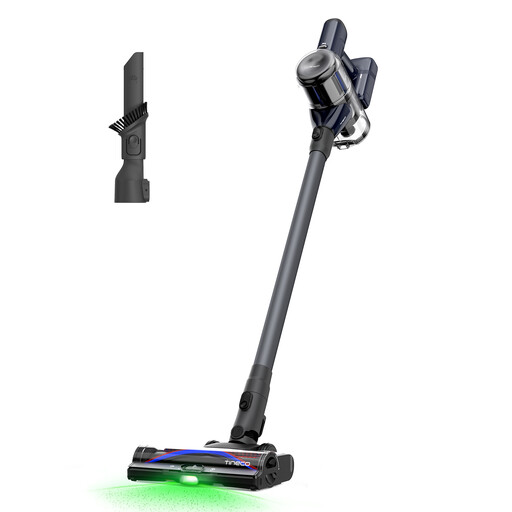
Why it suits this user: This stick vacuum is designed for households that want to clean floors and carpets regularly and value a longer stated run time.
The product name mentions a ZeroTangle brush and LED lights. Before deciding, check the current product specifications and the run time for each setting.
The listed specifications include 150 AW of suction power, up to 95 minutes of run time and a brush for larger pieces of dirt and pet hair.
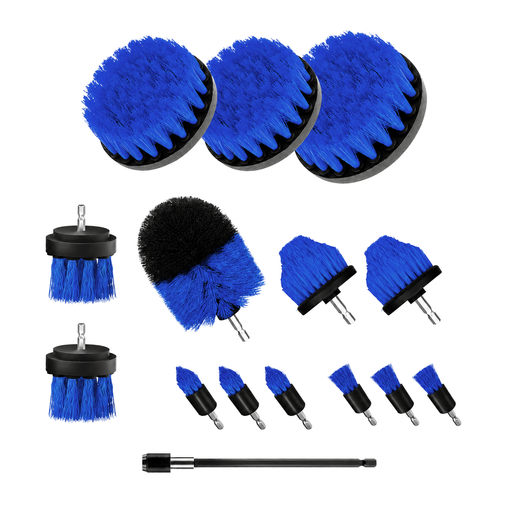
Why it suits this user: This is a targeted option for DIY enthusiasts and car owners who already have a suitable drill or electric screwdriver.
The set includes brushes with different levels of stiffness. According to the instructions, soft brushes are for delicate surfaces, while the harder versions are for durable materials.
Fifteen pieces, a hexagonal fitting and an extension for alloy wheels, tiles, baths and tight corners, among other areas.
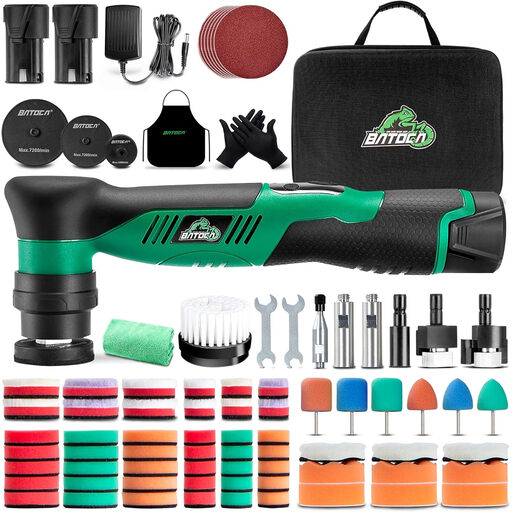
Why it suits this user: This compact car polisher is designed for headlights, badges, alloy wheels and other small areas where a large polishing machine can be harder to handle.
According to the product specifications, the machine has six speed settings and three interchangeable backing plates. This lets you match the speed and size to the task.
Two 12V 2.0 Ah batteries, speeds from 2,000 to 5,500 rpm and 25, 50 and 75 mm accessories, according to the product information.
With a carpet cleaner or wet-and-dry handheld vacuum, check which liquids are safe to use and how to clean the tanks. Allow washed filters to dry completely before putting them back. A damp filter can damage the motor.
A window-cleaning robot needs a safety rope, a suitable smooth surface and supervision. Don’t use it on cracked glass. An air blower is handy for keyboards, air vents and dirt in crevices, but don’t blow dust towards your eyes or sensitive electronics.
Remember to include consumables, batteries, filters and electricity use in the overall cost. An appliance with a low purchase price may work out more expensive if its filters or batteries are difficult to find. So, check the warranty, manufacturer details and included parts on the product page.
We’ve put together a complete, up-to-date list of products that meet these strict selection criteria and the applicable European safety regulations.
A compact car vacuum or handheld vacuum is handy for crumbs, sand and pet hair. For alloy wheels and stubborn dirt, a drill cleaning brush can help. If you want to work on paintwork or small details, look for an electric polishing machine with adjustable speed and several pads.
Its lifespan depends on how it’s used, stored and charged, as well as whether the battery can be replaced. Use the original charger, avoid prolonged exposure to heat and clean the filters regularly. Before buying, check whether a spare battery is available and what the warranty covers.
Consumption usually depends on battery capacity, charging time and the setting you choose. A compact appliance with a USB-C connection will generally use less energy per charge than a larger model with a higher-capacity battery. Compare the run time with your cleaning routine, not just the maximum power.
