
Cooking with a large stockpot
You want the base of your pan to fit the cooking zone properly and your soup to simmer gently. The Consumentenbond recommends matching the pan base to the cooking zone.


Start with the base size of your stockpot, how many pans need to be cooking at once and the connection in your kitchen. A portable single-zone hob may be enough if you’re only making soup. For several dishes at once, extra cooking zones are useful, but induction requires compatible pans, and a powerful built-in hob may need a suitable connection.
You want the base of your pan to fit the cooking zone properly and your soup to simmer gently. The Consumentenbond recommends matching the pan base to the cooking zone.
You want to cook soup and other dishes at the same time, so you’ll need to consider the layout of the zones and the power available when they’re used together. The Consumentenbond points out that some single-phase hobs have limitations when several zones are used on high settings at once.
You’re looking for extra cooking space without a built-in hob, so you’ll need to consider the socket, circuit and worktop space. The Consumentenbond outlines the requirements for high-power connections; Inventum also gives placement instructions for its portable KI120T.
Best for: one induction-compatible stockpot and extra cooking space you can move or put away.
Keep in mind: one zone leaves no room for a second dish. Check your pan size and the model’s placement instructions.
Best for: cooking soup and a second dish at the same time, without fitting a built-in hob.
Keep in mind: two zones don’t necessarily mean both can run at full power at once. Check the load on your circuit.
Best for: regularly cooking with several pans, provided your worktop, cut-out and connection are suitable.
Keep in mind: a large hob doesn’t guarantee that every pan will fit every zone. Have the installation assessed.
Best for: anyone looking for a multi-zone hob who doesn’t want to rely on induction-compatible pans.
Keep in mind: check the connection requirements for the exact model. Having several zones doesn’t automatically mean a hob is suitable for a standard socket.
Best for: heating one extra pan without having to choose induction-compatible cookware.
Keep in mind: compare your pan size with the cooking zone, and allow the hob to cool before putting it away.
Start with the pans and dishes you need to cook at the same time. Then check that the connection and available space suit the hob you’ve chosen.
| What to consider | What to check before buying | Who is this important for? |
|---|---|---|
| Stockpot and cooking zone | Measure the base of your pan and compare it with the cooking zone or the pan size specified for the exact model. For induction, the base must be magnetic. | If I want my stockpot to fit the zone properly, I check the base size and model specifications. Around 36% of consumers put the pan and zone first. |
| Cooking several dishes at once | Count the pans you’ll need at the same time and check how they’ll fit and how much power is available when used together—not just the number of zones. | For a celebratory meal, I want to cook soup and side dishes at the same time without one pan taking up all the cooking space. Around 29% of consumers give simultaneous cooking top priority. |
| Connection and placement | Check the power rating and the manual. For a built-in hob, have the connection assessed; for a portable hob, follow the instructions for the socket and ventilation clearance too. | If I don’t want to renovate my kitchen, I look for an easy-to-place option and check the load on the circuit, especially if other appliances are connected to it too. Around 21% of consumers prioritise avoiding renovation work when connecting their hob. |
| Existing pans and extra work | Check whether your pans are suitable for induction and whether their bases fit the zone. If your installation may need adapting, get advice for your kitchen first. | If I want to keep using my existing pans or avoid extra purchases and installation work, I weigh up those implications before choosing. Around 14% of consumers consider this their main deciding factor. |
The pan base needs to match the cooking zone. For induction, the pan base must also be magnetic.
Measure the base of your pan and compare it with the zone and the pan sizes specified for the exact model.
If they’re not a good match, you may need a different pan or hob.
Some single-phase hobs may be limited when used on high settings; powerful built-in hobs may need a different connection.
Compare the power rating with what you want to use at the same time, and have the installation assessed before ordering.
Adapting the connection or arranging professional installation may involve extra planning.
These models illustrate different types of portable and built-in hobs. The specifications listed apply to the models named, not to every product from each brand.
The KI120T is a portable single-zone induction hob for an extra pan that falls within the specified pan size.
The DK 1031 and KP 1091 are two different options: a portable double induction hob and a conventional single-zone hob.
The KIF5580ZT is a large induction hob; the KC260ZT is a multi-zone ceramic hob.
The Serie 4 PUE611BB5D is a 60 cm built-in induction hob.
The IK-6178 is a portable single-zone induction hob for extra cooking space.
This selection includes portable and built-in hobs for making carrot soup and cooking several dishes at once, with induction and ceramic options.
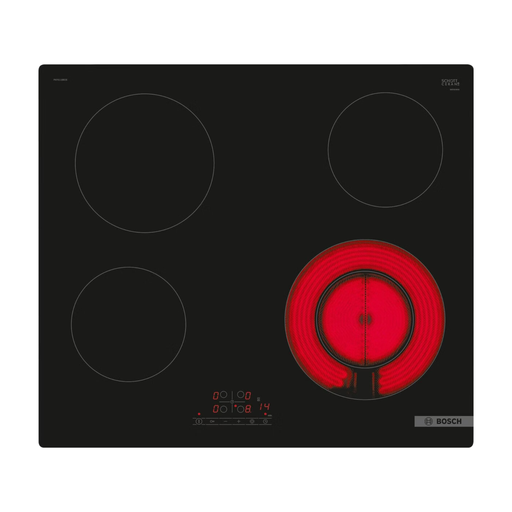 No image available
A built-in ceramic option if you want to use several pans without switching to induction-compatible cookware.
Requires a two-phase connection with a 5-pin Perilex plug; cable and plug are not included. Installation must be carried out by a professional.
 No image available
An option if you want to cook soup and a second dish at the same time without fitting a built-in hob.
The product name specifies two cooking zones and five temperature settings. Induction requires pans with a suitable magnetic base.
 No image available
A portable option for cooking soup in a separate cooking area, without choosing induction.
The product name specifies a ceramic hob with a timer, touch controls and a rotary dial. The surface gets very hot during use; keep children away and avoid touching it.
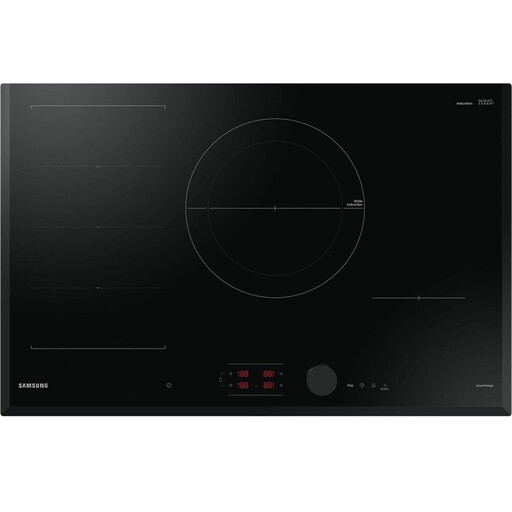 No image available
The four zones and hob width suit anyone looking to use several pans at once. Check which zone is suitable for the base of your stockpot.
The specified connected load is 7,4 kW. According to the Consumentenbond, an induction hob with a connected load above 3,65 kW needs a high-power connection. Have the installation assessed for your kitchen.
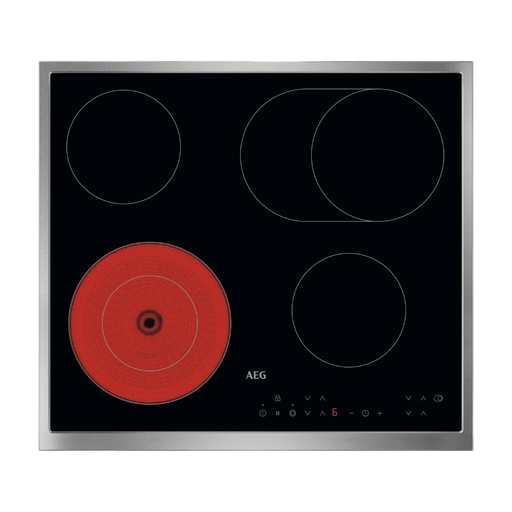 No image available
A built-in ceramic option if you want to use several pans without choosing induction.
The product name specifies expandable cooking zones and touch controls. The hob must be built in and a professional must carry out the connection; the surface stays hot after the hob is switched off.
Check whether the base of the pan is magnetic, then compare its size with the cooking zone and the model’s manual. The diameter across the top rim doesn’t tell you how large the base is.
You can’t tell from the number of zones alone. Check the connected load and installation requirements for the exact model. According to ETNA, the ceramic ETNA KC260ZT requires a two-phase connection and is supplied without a plug.
No. Use the timer as a reminder and stay nearby while cooking. The Fire Service advises keeping flammable items away from the hob.
Check that your pans suit the cooking zones and that your kitchen meets the model’s connection and installation requirements. Bear in mind that the cooking surface may stay hot after the hob is switched off.
Check that the cut-out and electrical connection suit the model, and get a quote for any alterations or installation work in advance if needed. In the Netherlands, the seller is responsible for providing a solution if a product is faulty. Your statutory rights are separate from any manufacturer’s warranty, as explained by the Rijksoverheid.