
Vandaag of morgen in huis

Kwaliteit gegarandeerd

Welkomstaanbiedingen ontgrendelen: GRATIS bezorging | Tot 80% korting | Gratis 30 dagen JoyPlus-proefperiode
Download de app
At first glance, picking a pair of wireless headphones seems straightforward. But models vary widely in comfort, battery life, water resistance and connectivity. A pair that feels great on the train might slip during a run. And headphones labelled “waterproof” aren’t automatically suitable for swimming.
The most common pitfalls:
An in-ear headphone uses earbuds that sit inside your ear canal. The right size of silicone tip affects both comfort and sound isolation. Models like the Apple AirPods Pro 3 come with multiple sizes of ear tips so you can adjust the fit.
An over-ear Bluetooth headphone covers your ear completely. That can be comfortable in the office, while travelling or at home. The Sony ULT WEAR has a foldable design, a 3.5mm socket and active noise cancellation. Do bear in mind it weighs 255 grams.
An open-ear headphone or bone conduction headphone rests around or beside your ear. This is practical when you want to stay aware of ambient noise while walking or cycling. The sound reproduction and bass response differ from a sealed in-ear model.
Pay attention to the difference between:
The Sony ULT WEAR states up to 30 hours with noise cancellation and up to 50 hours with the feature switched off, according to the product description. The JBL Wave Buds 2 claim up to 40 hours total, with the stated total applying with ANC switched off, according to JBL. The Soundcore Liberty 4 Pro offers up to 10 hours of continuous playback and comes with a USB-C charging case.
A headphone with long battery life is especially handy for long train journeys, workdays and holidays. Also check whether the charging case is easy to carry and whether a USB-C cable is used.
The IP code consists of two digits. The first digit covers protection against solid particles, the second against water. A higher rating doesn’t automatically mean every use is allowed.
The Samsung Galaxy Buds4 Pro have IP57 according to the product specification, but are explicitly not recommended for swimming. The Mojawa RunPlus is offered with IP68 and built-in storage of 32 GB. According to the product information, this model is intended for swimming, running and cycling, among other activities. After use in chlorinated or salt water, rinse the product with clean water and let it dry completely before charging.
When cycling, only use a sports earbud if you can still pay enough attention to traffic. Models with an open design keep ambient sound more audible, but you should still keep the volume low enough.
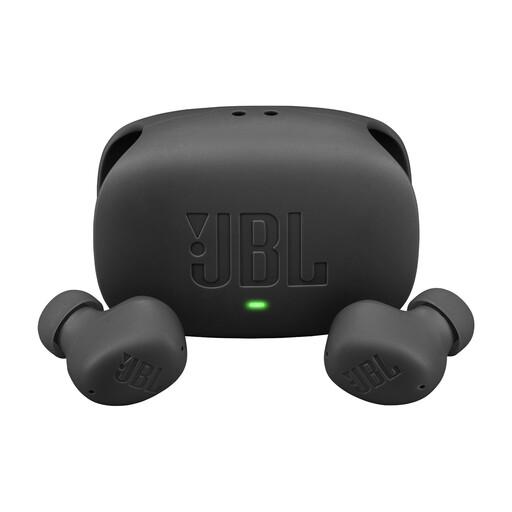
Why this fits the profile: A compact choice for daily travel, calls and listening to music. The earbuds work with Android and other Bluetooth devices and support multipoint according to the product description.
The battery claim separately states the playtime of the earbuds and the total duration with the charging case. IP54 for the earbuds and IPX2 for the case are also specified.
Active noise cancellation, USB-C quick charging, multipoint and Google Fast Pair and Microsoft Swift Pair according to the product specifications.
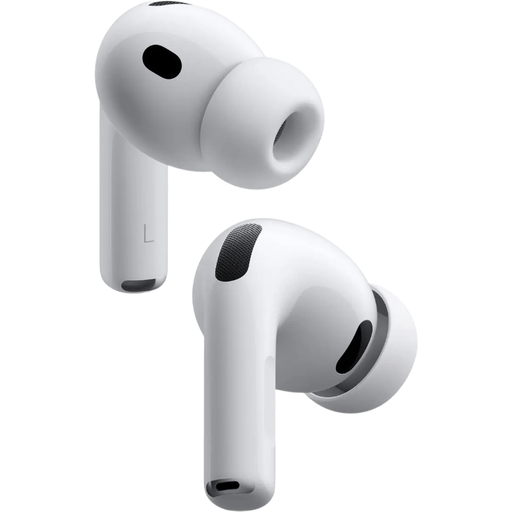
Why this fits the profile: Aimed at users of Apple devices who want active noise cancellation, spatial audio and easy pairing with the Apple ecosystem.
Five sizes of silicone ear tips help you adjust the fit. Do check whether all the smart features are relevant for your Apple device.
According to the product description, up to 8 hours of playtime with noise cancellation, IP57 and a heart rate sensor for workout data.
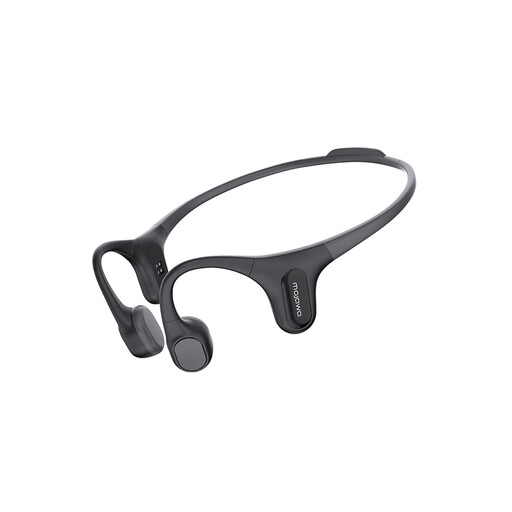
Why this fits the profile: For runners, cyclists and swimmers who want an open design, a secure fit and built-in music storage.
The product title states IP68 and 32 GB MP3 storage, which may allow listening without a smartphone. Always check the manual and terms of use for swimming.
Open-ear bone conduction design, Bluetooth, 32 GB storage and a secure fit for sports activities according to the product information.
We’ve put together a full, up-to-date list of products that fully meet these strict selection criteria and current European safety regulations.
Most Bluetooth headphones work with both Android and iOS as long as they support the right Bluetooth profile. Extra features, such as automatic device switching, an equaliser app or spatial audio, can vary by operating system. So check compatibility before you order.
The lifespan depends on battery capacity, charging habits, volume and features like ANC. A battery loses capacity over time. Store earbuds in the charging case, avoid extreme heat and use a suitable USB-C charger. The statutory warranty for consumers in the EU is separate from the expected battery lifespan.
For running, lightweight sports earbuds or an open-ear model are often practical. Pay attention to fit, sweat resistance and your awareness of your surroundings. For swimming, you need a model that the manufacturer explicitly supports for swimming, such as a suitable headphone for swimming with the right water rating and usage mode. An IP rating alone is not sufficient reason to use any Bluetooth earbud underwater.
