
Vandaag of morgen in huis

Kwaliteit gegarandeerd

Welkomstaanbiedingen ontgrendelen: GRATIS bezorging | Tot 80% korting | Gratis 30 dagen JoyPlus-proefperiode
Download de app
Wireless earbuds are great for music, podcasts, calls, travel and exercise. Yet the choice often seems simpler than it really is. A long battery life, for example, might only apply when you switch off noise cancellation. And “noise cancelling” can refer to either active noise reduction for music or microphone noise suppression for phone calls.
With this practical buying guide, you can compare wireless earbuds on the features that really make a difference in everyday use. Think about fit, Bluetooth compatibility, battery life, microphone quality and water resistance.
A stated playback time isn’t always directly comparable. Check whether the figure applies to a single charge, includes the charging case, or is measured with features like ANC switched off. Some models, for instance, offer around 8 to 10 hours per earbud with several extra charges from the case.
Also pay attention to charging time and the connection type. USB-C earbuds and charging cases are practical if you already use a USB-C cable. Wireless charging can add extra convenience, but it isn’t essential for daily use.
Earbuds with noise cancelling use ANC to reduce background noise while you listen. ENC, or microphone noise suppression, is designed to make your voice clearer during calls. These are different features.
According to product descriptions from various brands, call quality is improved by multiple microphones and algorithms. Treat such claims as a product specification, not a guarantee of the same experience on every busy street, train or windy day.
With wireless in-ear earbuds, silicone tips create a seal in your ear canal. The wrong size can lead to weaker bass, a loose feel and quicker ear fatigue. So check how many sizes of ear tips are included.
Open-ear models work differently. They don’t block the ear canal, so you can still hear ambient sound. That can be useful when walking or cycling, but it also means music sounds less isolated in noisy environments.
Almost all Bluetooth earbuds work with phones and tablets that support Bluetooth. However, extra features may depend on your operating system or a companion app.
ANC earbuds are ideal for train journeys, flights, offices and other environments with constant background noise. Transparency mode, on the other hand, lets ambient sound in. That’s handy when you want to have a conversation without removing your earbuds.
When it comes to calls, look at the number of microphones and the description of the call technology. The Soundcore Liberty 4 Pro, for example, mentions six microphones. The QCY T13 uses four microphones with ENC, according to its product description. These are verifiable features, but actual clarity also depends on wind, network connection and microphone placement.
An earbud with long battery life is especially useful if you travel often or don’t want to keep charging. Always compare:
For exercise, the IP rating is important. IPX4 usually means protection against splashes, while IPX5 indicates protection against water jets. Neither makes a product suitable for submersion. Also check whether the rating applies to both the earbuds and the charging case.
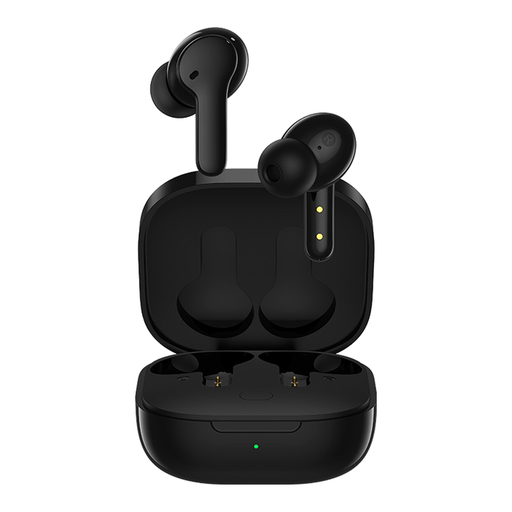
Why it fits this profile: This model is designed for everyday listening, calls and commuting without needing an extensive ecosystem. The product description mentions Bluetooth 5.1, a USB-C connection and up to 40 hours of total battery life with the case.
The specifications separately list the playback time per earbud and the total time with the case. ENC for calls is also distinguished from active noise cancellation for music.
7.2mm dynamic drivers, four microphones with ENC, IPX5 and USB-C charging.
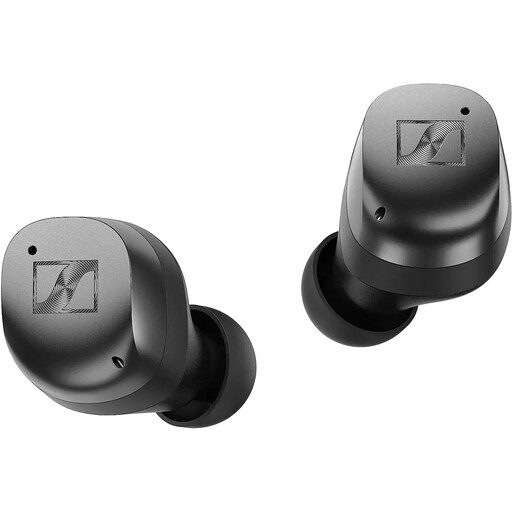
Why it fits this profile: For listeners who want to adjust sound settings and value modern wireless standards. According to the product description, this model offers Bluetooth 5.4, Auracast support and an app with equaliser functions.
The product information states the battery life including the charging case and an IP54 rating. This makes it clear that it offers splash protection, not waterproof use.
Up to 30 hours with the charging case, adaptive ANC according to the manufacturer and support for wireless Qi charging.
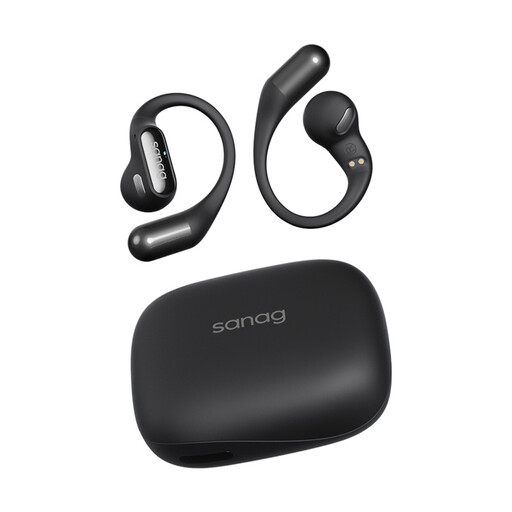
Why it fits this profile: The open-ear hook design is intended for running, cycling and workouts where you want to stay aware of your surroundings. According to the product description, each earbud weighs approximately 5.6 grams.
The open-ear construction means you don’t have to choose an in-ear seal. The product information also mentions IPX4 for sweat and light rain; submersion is still not suitable.
Bluetooth 5.3, touch controls, USB-C charging case and a manufacturer-stated total usage time of approximately 26 to 48 hours, depending on the usage mode.
We’ve put together a full, up-to-date list of products that fully meet these strict selection criteria and comply with current European safety regulations.
First, charge the earbuds and the charging case. Open the case, activate Bluetooth on your phone and select the model name from the list. For the first pairing, you may need to press a button on the case. If the connection doesn’t work, remove the model from your Bluetooth list and try again.
The usage time per charge varies by model and settings. ANC, volume, phone calls and temperature all affect the battery. The lithium-ion battery also ages over time. Store the earbuds in the charging case, keep the charging contacts clean and use a suitable USB-C charger. A statutory warranty of at least two years applies to many consumer products under EU rules, but a warranty is not the same as a fixed battery lifespan.
That depends on the fit and IP rating. Sports earbuds with IPX4 or IPX5 can be suitable for sweat and light rain, as long as the manufacturer states this. Don’t use them for swimming or submersion. An open-ear model can be handy when you want to stay aware of your surroundings during exercise, but it offers less sound isolation than in-ear earbuds.
