
Vandaag of morgen in huis

Kwaliteit gegarandeerd

Welkomstaanbiedingen ontgrendelen: GRATIS bezorging | Tot 80% korting | Gratis 30 dagen JoyPlus-proefperiode
Download de app
Wireless earbuds are great for music, podcasts, calls, travel and exercise. However, a long list of features doesn’t automatically mean a model is right for how you’ll use it. A high battery claim, for example, might refer to the charging case, while an IP rating doesn’t mean you can swim with them.
With this practical guide, you’ll focus on the features that really make a difference in everyday life. Afterwards, you’ll find some popular choices for different usage profiles.
Manufacturers sometimes list the playback time of a single earbud, and sometimes the total capacity including the charging case. The battery life can also differ when active noise cancelling (ANC) is switched on. So always check:
A model with a smaller battery may be perfectly adequate for your daily commute, whereas longer journeys call for earbuds with extended battery life and a fast-charge feature.
The IP rating indicates how well a product is protected against dust and water according to the stated standard. IPX4, for example, is designed for splash water, while IPX5 offers protection against water jets. That doesn’t make a model suitable for submersion.
For sports earbuds, it’s wise to check whether the protection applies only to the earbuds themselves or also to the case. Dry the charging contacts before putting the earbuds back in.
Noise-cancelling earbuds only work comfortably when they create a good seal. An incorrect fit can result in weaker bass, outside noise leaking in, and an uncomfortable feel. So pay attention to:
With in-ear earbuds, the fit is at least as important as the number of features on the box.
Bluetooth 5.3, 5.4 or higher can contribute to a modern, stable connection and efficient power usage. The actual experience also depends on your phone, software and surroundings. Also check whether the model supports multipoint if you want to connect to, say, a laptop and smartphone at the same time.
True wireless earbuds have no cable between left and right. That gives you freedom of movement, but it also means you’ll need to charge the case regularly. Apple AirPods, Samsung Galaxy Buds, Sony earbuds and JBL earbuds can offer extra features within their own apps or ecosystems. When using Android or iOS, check whether all features are available.
A larger driver doesn’t automatically guarantee better sound. Look at the driver type, the supported audio codecs and the ability to use an equaliser. The Baseus Bass EP10 Pro, for example, states support for SBC, AAC and LDAC, while other models mainly use SBC and AAC.
An equaliser can be handy if you prefer more bass, clearer vocals or a more neutral sound. When it comes to product claims about sound quality, look at the technical specifications and treat terms like “hi-fi” or “panoramic sound” as the manufacturer’s descriptions, not as an objective guarantee of your listening experience.
If you make a lot of calls, clear microphones and good wind and ambient noise reduction matter more than just a high maximum playback time. The number of microphones is a verifiable specification, but the final clarity also depends on software, placement and your surroundings.
USB-C is now a practical choice for charging. You’ll often be able to use the same cable as for your other devices. Do check whether a USB adapter is included; with several models, only a cable is supplied.
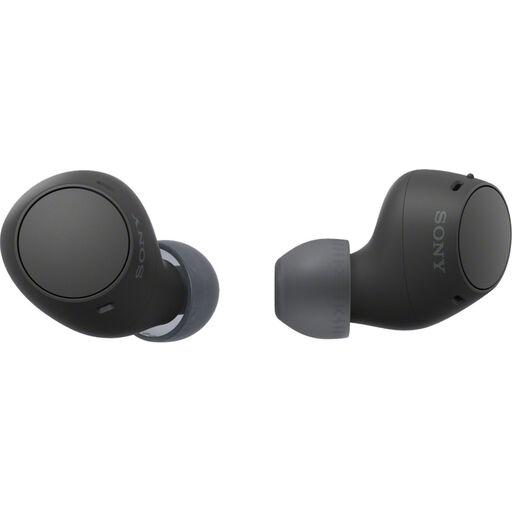
Why this fits the profile: This model is designed for everyday use and supports Android and iOS. According to the product information, each earbud weighs 4.6 grams and they feature a USB-C charging port.
The stated battery life of 22 hours includes the charging case. The IPX4 rating makes it clear this is splash-water protection, not submersion.
Bluetooth 5.3, multipoint connection, microphone, USB-C and an equaliser via the Sony app.
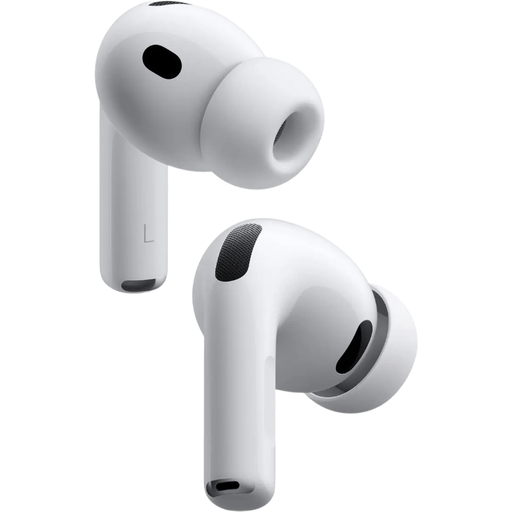
Why this fits the profile: Apple users who value integration, active noise cancellation and an adjustable fit will find several features in one model.
Five sizes of silicone ear tips are included. The stated playback time is up to 8 hours with noise cancelling and up to 10 hours in transparency mode.
Bluetooth 5.3, ANC, spatial audio, microphone, wireless charging and an IP57 rating according to the product information.
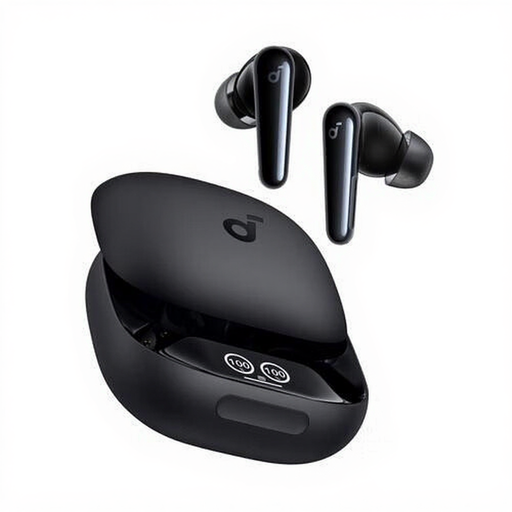
Why this fits the profile: For calls, music, sport and daily use, this TWS model offers a combination of controls, microphones and splash-water protection.
The product specification lists six microphones, up to 10 hours of continuous audio and IPX5 splash-water protection. This makes the features concretely verifiable.
USB-C case, touch controls, dynamic drivers, six microphones and an IPX5 rating.
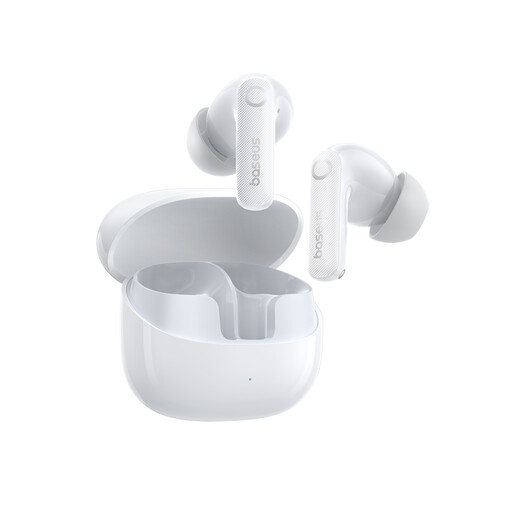
Why this fits the profile: The stated battery life and USB-C connection are practical for longer working days, travel and daily listening without constantly hunting for a power socket.
The product specification distinguishes 11 hours of listening per charge from a maximum of 55 hours with the case. These figures are stated at 50% volume; higher volumes may reduce the duration.
Adaptive hybrid ANC according to the product information, six microphones, Bluetooth 5.4, USB-C and IP55 splash-water protection.
We’ve put together a full, up-to-date list of products that fully meet these strict selection criteria and comply with current European safety regulations.
Open the charging case, activate Bluetooth on your smartphone and select the name of the earbuds from the list. For a first connection, an app may be needed for settings or firmware. If the pairing doesn’t work, put the earbuds back in the case and check that they are sufficiently charged.
The battery life per charge varies by model, volume and features such as ANC. The battery capacity will decrease over time. Store the earbuds in the case, avoid extreme heat and use a suitable USB-C charger. When buying, also check the warranty terms and the statutory minimum two-year guarantee for consumer purchases in the EU.
That depends on the fit and IP rating. A model with IPX4, IPX5 or IP55 is designed for a certain level of splash-water or dust protection, but not automatically for swimming or submersion. Test the fit during gentle movement and be aware of your surroundings. Don’t set the volume unnecessarily high and use transparency mode when you need to hear traffic or other people.
