
Vandaag of morgen in huis

Kwaliteit gegarandeerd

Welkomstaanbiedingen ontgrendelen: GRATIS bezorging | Tot 80% korting | Gratis 30 dagen JoyPlus-proefperiode
Download de app
At first glance, wireless earbuds seem simple to compare. Yet differences in fit, connection and battery life can make themselves felt every day. A low price doesn't automatically tell you whether they're suitable for calls, exercise or travel. Conversely, advanced features aren't always useful if you mainly listen to music at home.
Pay particular attention to these three common pitfalls:
For everyday use, having different sizes of ear tips is useful. Check whether extra ear tips are included. A good seal affects not only comfort, but also how much ambient noise you hear.
For sports earbuds, an IP rating is relevant. According to the product information, IPX5 means protection against water jets, while IPX4 indicates protection against splashes. These ratings don't make a product suitable for submersion or swimming. Also check whether the manufacturer states the model is suitable for sport, rather than just relying on words like "sport" in the product title.
True wireless earbuds use Bluetooth and have no cable between the two earbuds. So check the Bluetooth version, compatibility with your smartphone and whether features are available via an app. Samsung Galaxy Buds generally pair logically with Galaxy devices, while Google Pixel Buds offer features within the Google ecosystem. Apple AirPods are especially practical with Apple devices, although Bluetooth earbuds can also be paired with other devices.
A model with a USB-C connection isn't automatically wireless. The Samsung EO-IC100, for example, is a wired headset with USB Type-C. That can actually be handy for a phone, tablet or laptop without a 3.5mm jack. So always check whether USB-C is used for charging or for the audio connection.
Earbuds with noise cancelling use active noise reduction to electronically reduce ambient sound. The effect depends on fit, environment and settings. Manufacturer information about ANC should therefore be seen as a product specification, not a guarantee that every sound will disappear.
For calls, the number of microphones, their placement and features such as microphone noise reduction are relevant. Also look at the battery life of the earbuds individually and the total playback time with the charging case. With wired models, battery life isn't a factor, but the cable length and connection type are important.
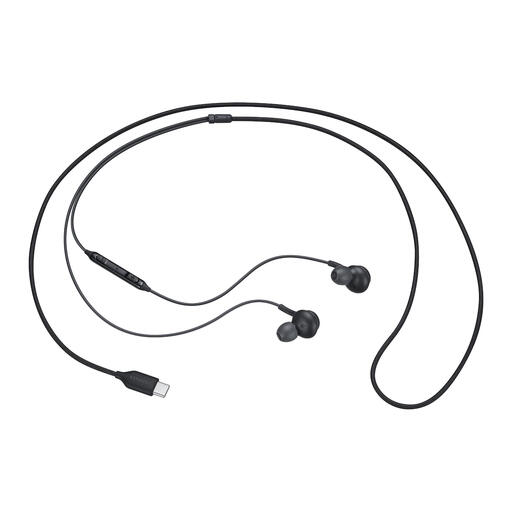
Why this fits the profile: This wired in-ear headset is ideal if you don't need Bluetooth pairing or a charging case. The USB-C connection works with many modern devices.
The cable eliminates charging and connection issues. Just check beforehand that your device supports audio over USB-C.
USB Type-C, built-in DAC, 32 ohm impedance, microphone and three sizes of ear tips according to the product information.

Why this fits the profile: This model is designed for everyday listening with Bluetooth, active noise cancellation, transparency mode and wireless charging.
The included ear tips and adjustable listening modes help you tailor the fit and ambient sound to your situation.
Bluetooth 5.0, ANC, transparency mode, Qi wireless charging and integration with Google Assistant according to the product description.
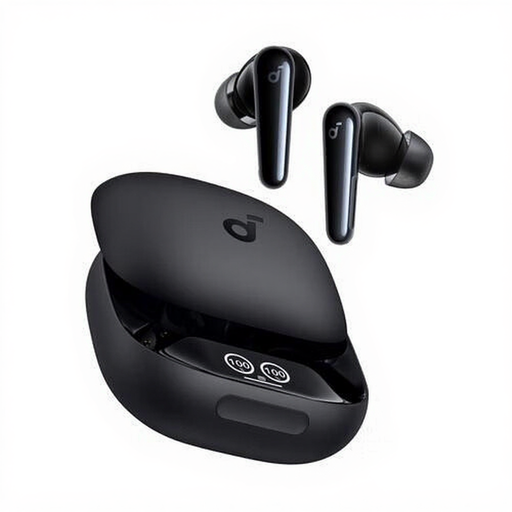
Why this fits the profile: The combination of TWS, six microphones, touch controls and IPX5 makes it suitable for calls, music, sport and daily use.
The IPX5 rating makes it more suitable against splashes than models without an IP rating. It is not intended for submersion.
Dynamic drivers, six microphones, USB-C charging case, extra ear tips and up to 10 hours of continuous audio playback according to the product data.

Why this fits the profile: This model combines ANC, Bluetooth, wireless charging and an IP57 rating for users who want plenty of features and device pairing.
The IP57 specification and stated battery life make the features verifiable. Do not use the earbuds for swimming.
ANC, six microphones, Bluetooth 6.1, USB-C, wireless charging and up to 30 hours total playback without ANC according to the product information.
We've put together a full, up-to-date list of products that fully meet these strict selection criteria and current European safety regulations.
Open your phone's Bluetooth settings, place the earbuds in the charging case and activate pairing mode as described in the manual. Then select the product name from the list of available devices. With a previously paired model, this often happens automatically when you open the case.
The battery life per charge varies by model and usage. ANC, phone calls and high volume can affect playback time. The charging case extends the total usage time, but the case's built-in battery also has a limited lifespan. Store the earbuds in the case when not in use and follow the manufacturer's charging instructions.
That depends on fit and IP rating. Choose ear tips that fit securely and check the splash protection. A model with IPX5 or IP57 offers higher water protection according to the product specification than a model without a stated IP rating. None of these ratings automatically mean the earbuds are suitable for swimming.
