
Vandaag of morgen in huis

Kwaliteit gegarandeerd

Welkomstaanbiedingen ontgrendelen: GRATIS bezorging | Tot 80% korting | Gratis 30 dagen JoyPlus-proefperiode
Download de app
Wireless earbuds are handy for commuting, the office, exercise and everyday use. However, a long list of features doesn’t always tell you how they’ll perform in practice. A model might boast a long battery life, but if the fit isn’t right, it won’t be comfortable for extended listening sessions.
So, keep an eye out for three common pitfalls:
The right shape depends on how you’ll use them and your personal preference:
A lightweight design isn’t automatically comfortable for everyone. Also consider the shape of your ear, the material of the hook or clip, and whether you can use the earbuds independently.
With Bluetooth earbuds, a stable connection matters more than just the version number. Check that your smartphone, tablet or laptop is compatible and whether the model supports features like multipoint or connection to two devices.
For calls, the number of microphones and their placement are relevant details. Some models use beamforming or noise reduction. Treat this information as a product specification, not a guarantee of flawless calls. According to the product description, the Soundcore AeroClip features four beamforming microphones, while the MINISO MS106 lists six microphones.
Look at three separate values:
The Soundcore Liberty 4 Pro, for example, claims up to 10 hours of continuous audio playback and comes with a charging case. The MINISO MS106 states up to 55 hours total battery life including the case, plus a fast-charge feature.
For sports earbuds, the IP rating is important:
Clean your earbuds after exercise and don’t charge them while they’re wet.
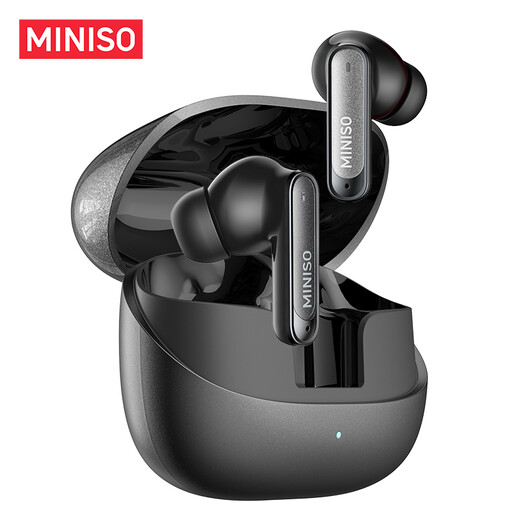
Why this fits the profile: This TWS model combines Bluetooth connectivity, touch controls and a built-in microphone for everyday use, the office, study and commuting.
The stated battery life distinguishes between use with the charging case and a quick charge. The IPX5 rating is clearer than a general water-resistance claim, but it doesn’t protect against submersion.
According to the product description: up to 55 hours total battery life, a 10 mm titanium-coated driver, six microphones and IPX5.
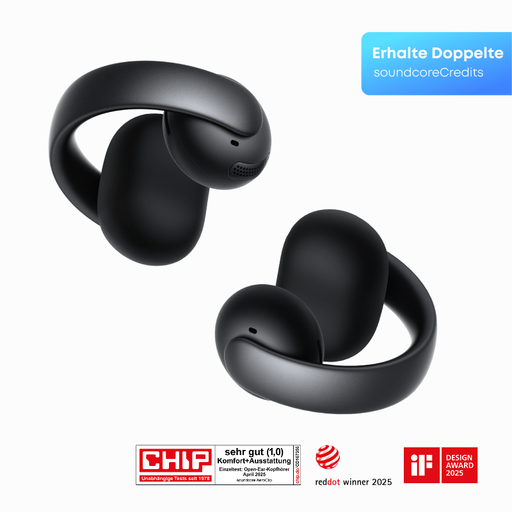
Why this fits the profile: The open-ear clip-on design is aimed at long-term wear during walking, working, cooking or other activities where you don’t want to be completely cut off.
The clip-on fit avoids the pressure some users experience with in-ear models. The stated flexibility of the open-ring design gives extra information about the material, but always check the fit yourself.
According to the product description: open-ear design, 12 x 12 mm titanium-coated driver, Virtual Bass technology and four beamforming microphones.
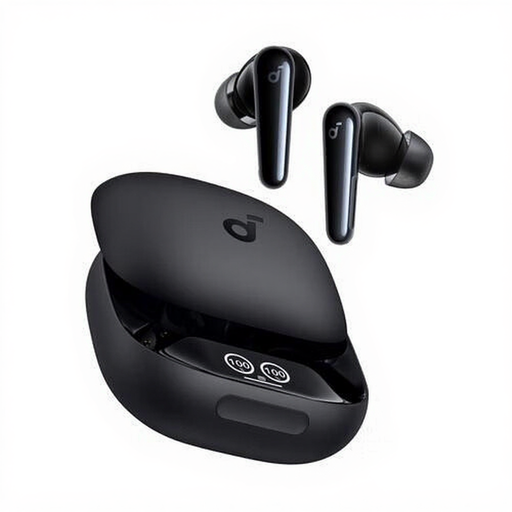
Why this fits the profile: This in-ear model is designed for calls, music, exercise and everyday use. It offers touch controls, extra ear tips and a charging case for users who are often on the go.
The packaging includes extra ear tips so you can adjust the fit. With IPX5, the model is designed for splashes, not swimming or prolonged exposure to heavy rain.
The stated specifications include TWS, Bluetooth, six microphones, USB-C, touch controls and up to 10 hours of continuous audio playback.
We’ve put together a full, up-to-date list of products that fully meet these strict selection criteria and comply with current European safety regulations.
First, charge the earbuds and put them into pairing mode. Then open the Bluetooth settings on your smartphone and select the product name. If the connection doesn’t work, remove a previously saved pairing and try again. For specific control functions, refer to the included manual.
The battery life per charge varies by model and settings. Battery capacity decreases over time, especially with many charge cycles and exposure to heat. Store the earbuds in the charging case, use a suitable USB cable and don’t leave the battery in a very hot car for long periods.
Noise cancelling can reduce ambient noise for the wearer, but it doesn’t automatically say anything about microphone quality during calls. So, look separately at the number of microphones, any wind protection and the stated call features. For traffic, cycling and other situations where you need to stay alert, it’s important that you can still hear ambient sounds and follow local safety rules.
Also pay attention to the volume with any model. Listening at high volume for long periods can strain your hearing. Take regular breaks and gradually increase the volume to a comfortable level.
