
Vandaag of morgen in huis

Kwaliteit gegarandeerd

Welkomstaanbiedingen ontgrendelen: GRATIS bezorging | Tot 80% korting | Gratis 30 dagen JoyPlus-proefperiode
Download de app
Wireless earbuds often look similar, but they differ greatly in comfort, microphone quality, battery life and moisture protection. A low price isn't automatically good value if the fit is poor or you're constantly recharging. Marketing terms like "spatial audio", "noise cancellation" and "long battery life" only mean something once you check the technical details.
This buying guide helps you compare wireless earbuds, Bluetooth earbuds, wired USB-C models and headsets on practical points. That way, you can choose a product that suits your smartphone, workplace, exercise routine or daily listening habits.
Manufacturers can state playback time under different conditions. Volume, microphone use and extra features all affect the actual usage time. So pay attention to the difference between:
The Soundcore Liberty 4 Pro, for instance, states up to 10 hours of continuous playback. The charging case is charged via USB Type-C. That's a more concrete comparison than just the general description "long battery life".
An IP rating indicates the conditions a product has been tested against according to the stated standard. IPX4 generally means protection against splashes, while IPX5 indicates protection against water jets from certain directions. Neither rating automatically makes a product suitable for submersion.
Also check whether the charging case has the same protection. With many true wireless earbuds, the IP rating only applies to the earbuds themselves. So keep the case dry and don't charge damp earbuds straight away.
Terms like noise cancellation, call noise reduction and AI noise suppression often come from brand product descriptions. Treat them as a described feature, not a guaranteed result in every environment. Wind, traffic and a noisy train can still affect clarity.
For earbuds for calls, the number of microphones, their placement and the presence of a mute or control function are relevant points to check. A office headset with a microphone arm can also be a different choice from compact Bluetooth earbuds.
In-ear earbuds partially seal the ear canal and usually come with multiple sizes of ear tips. A well-fitting tip helps you wear the product securely and can block out ambient noise. The Soundcore Liberty 4 Pro comes with extra ear tips.
Half-in-ear models sit less deeply, while open-ear or clip-on models don't seal the ear as much. The Sony WFLC900C.CE7 uses a clip-on open-ear design. According to the product description, ambient sound remains audible. That can be practical during a walk, but the sound experience differs from that of sealed in-ear earbuds.
Bluetooth earbuds are convenient for smartphones, tablets and laptops without a cable. Do check whether your device supports Bluetooth and whether you want to use multiple devices. The Soundcore Liberty 4 Pro and Sony WFLC900C.CE7 use Bluetooth 5.3; the Acer OHR548 states Bluetooth 5.4.
USB-C earbuds work via a cable and don't need to be charged separately. They're suitable for phones, tablets and computers with a USB-C port. Check beforehand whether your device supports audio over USB-C. An adapter isn't always included.
For meetings and customer service calls, a stable USB connection, volume control and a clear microphone are important. The EPOS IMPACT SC 230 USB MS II has a 2.9-metre cable, in-line controls and a flexible microphone arm. The product description also mentions a microphone with noise reduction; this is a feature described by the brand.
With wireless models, touch controls, physical buttons and mute control are key differences. Check whether you can control volume, music and calls directly from the earbuds.
Don't just look at capacity, but also at how you use the earbuds. For daily commuting, a charging case may be enough, while athletes and travellers value long total playback time more. Keep earbuds clean with a soft, dry cloth and store them in the case. Don't use them while cycling or driving when you need to be aware of your surroundings or local regulations restrict it.
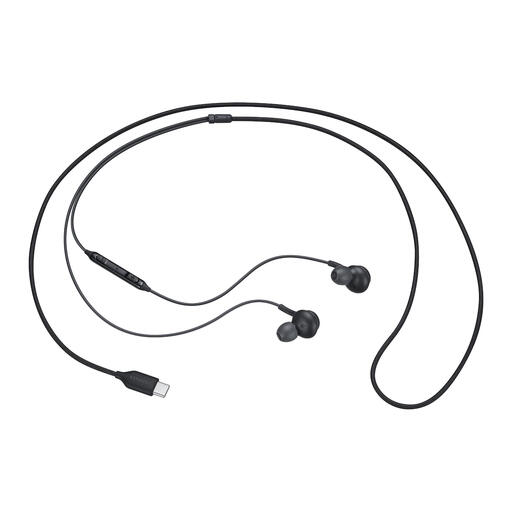
Why it fits this profile: A wired model is simple to use and doesn't need a separate battery or charging case. It suits daily listening with a phone, tablet or computer with USB-C.
You don't need to manage battery life or Bluetooth pairing. Do check beforehand whether your device supports USB-C audio.
USB-C connection, built-in controls, microphone and a weight of 18.35 grams. According to the product description, the model has a built-in DAC and AKG-tuned speakers.
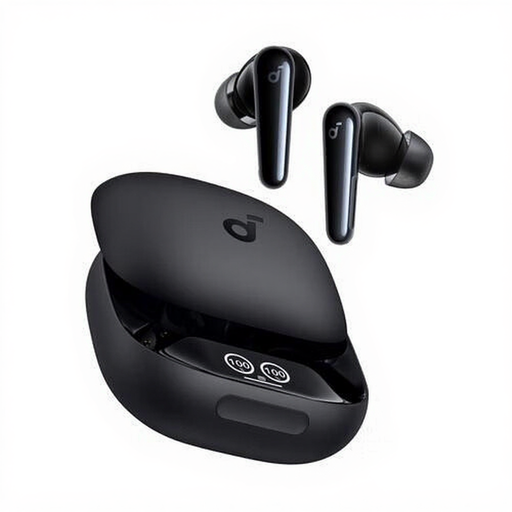
Why it fits this profile: This model combines TWS, Bluetooth, touch controls and a charging case for music, calls, sport and daily use.
The stated IPX5 rating makes the difference clear compared with fully waterproof models. Don't use the earbuds underwater and keep the case dry.
Up to 10 hours of continuous playback, six microphones, dynamic drivers, extra ear tips and USB-C charging according to the product specifications.
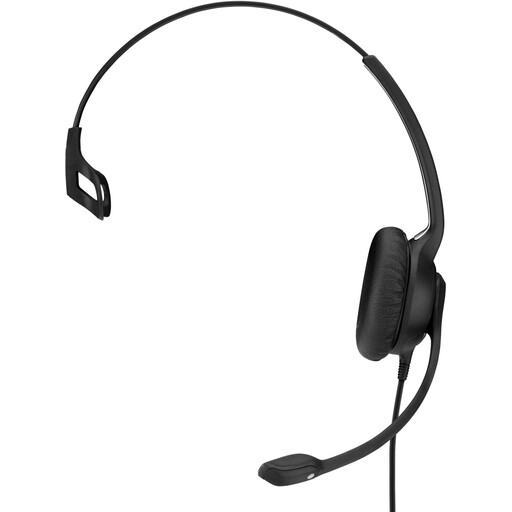
Why it fits this profile: The single-sided on-ear headset is designed for office and contact centre use, where you want to stay aware of your surroundings during calls.
The USB connection removes reliance on wireless battery life. The cable is 2.9 metres long, so check whether your desk has enough space.
58 grams, flexible microphone arm, volume control on the cable and a microphone with noise reduction according to the product information.
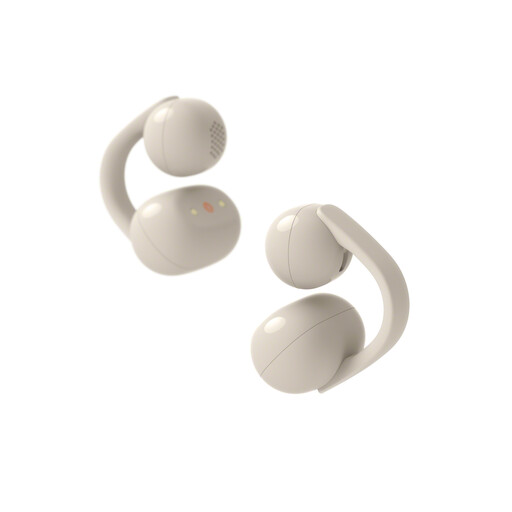
Why it fits this profile: The open-ear clip-on design is intended for users who want to listen to music or podcasts without fully sealing off their ears.
The open construction means you're not solely reliant on active noise cancellation. The IPX4 rating is suitable for splashes, not submersion.
Bluetooth 5.3, microphone, USB-C charging case, up to 9 hours of playback with the earbuds and up to 37 hours including the case according to the product information.
We've put together a full, up-to-date list of products that fully meet these strict selection criteria and comply with current European safety regulations.
First charge the earbuds and put them into pairing mode. Then open the Bluetooth settings on your smartphone and select the product name. With a previously paired device, the earbuds usually reconnect automatically. Consult the manual if the name doesn't appear or if both earbuds show up separately.
That depends on battery usage, charging cycles, storage and maintenance. Playback time typically decreases gradually with rechargeable batteries. Store the earbuds in the charging case, avoid extreme heat and use a suitable USB-C charger. Also check the warranty and return conditions when you buy.
Yes, many models have a built-in microphone. However, the call experience varies by product and environment. For short phone calls, compact earbuds are practical. For long online meetings or a noisy office, a USB headset with an adjustable microphone arm may be more suitable. So don't just look for "with microphone", but also check the microphone specifications, controls and connection.
