
Vandaag of morgen in huis

Kwaliteit gegarandeerd

Welkomstaanbiedingen ontgrendelen: GRATIS bezorging | Tot 80% korting | Gratis 30 dagen JoyPlus-proefperiode
Download de app
Wireless earbuds may look similar, but they differ significantly in everyday use. A pair designed for daily music listening doesn't need the same features as gaming earbuds for a PlayStation. A long battery life, a good microphone and noise cancellation all sound appealing, but these specs only mean something when you understand how they perform in real-world conditions.
Noise-cancelling earbuds often quote a decibel value in their product description. According to the product listing for the OnePlus Buds Pro 3, it offers hybrid ANC up to 49 dB; the Redmi Buds 6 Pro claims up to 40 dB. These figures aren't directly comparable. Performance depends on factors such as fit, the frequency of ambient noise and the settings you use.
ANC earbuds can be particularly useful on the train, in the office or during a flight. For road safety and situations where you need to hear your surroundings, transparency mode or no noise reduction at all may be more suitable.
Manufacturers usually state playback time under specific conditions. With ANC, high volumes, phone calls or an unstable Bluetooth connection, the actual usage time may be lower. So pay attention to the difference between:
The OnePlus Buds Pro 3, for example, claims up to 12 hours per charge and up to 44 hours with the case, while the product specs also indicate a shorter playback time with ANC. So don't just look at the highest number.
True wireless earbuds generally work via Bluetooth, but features such as multipoint, low latency or a dedicated app can vary depending on the operating system. Check whether your Android phone, iPhone, laptop, console or handheld device is supported.
A USB dongle can be an alternative to Bluetooth for gaming. Also note the difference between fully wireless models and those with a cable. The HyperX Cloud Earbuds II, for example, have a 3.5mm connection and a microphone, but they are not Bluetooth earbuds.
Bluetooth 5.3 or Bluetooth 5.4 tells you about the connection technology used, but it doesn't on its own guarantee flawless range. Distance, walls, other wireless devices and your smartphone's support all play a part. The OnePlus Buds Pro 3 uses Bluetooth 5.4 and states a range of 10 metres. The Redmi Buds 6 Pro uses Bluetooth 5.3 and also quotes 10 metres.
For music and calls, Bluetooth is usually sufficient. For competitive gaming, a dedicated 2.4GHz connection or USB-C dongle can reduce latency. Check whether the dongle works with your console or computer.
Comfort depends on the shape of your ear, the weight and the ear tips supplied. A model with different sizes of silicone tips gives you more options to adjust the fit. The Redmi Buds 6 Pro comes with tips in sizes S, M and L. The JBL Wave Flex 2 has an ergonomic design, but a more open fit can feel different from an in-ear model.
An IP rating is not a general guarantee that your earbuds are waterproof. IP55, according to the product information for the OnePlus Buds Pro 3, means protection against dust and water jets under the stated test conditions. The Sony INZONE Buds has IPX4, which indicates protection against splashes. Don't use such models in the shower and always check the product manual.
If you're looking for earbuds for music and calls, consider the number of microphones, their placement and features such as ambient noise reduction. The OnePlus Buds Pro 3 lists three microphones and a VPU sensor. The JBL Wave Flex 2 lists four microphones and support for hands-free calling.
Claims about voice enhancement or AI noise reduction come from the brand's product description. Treat them as a product specification rather than a guarantee of the same call quality in every environment. Wind, traffic and distance from your phone can all affect the result.
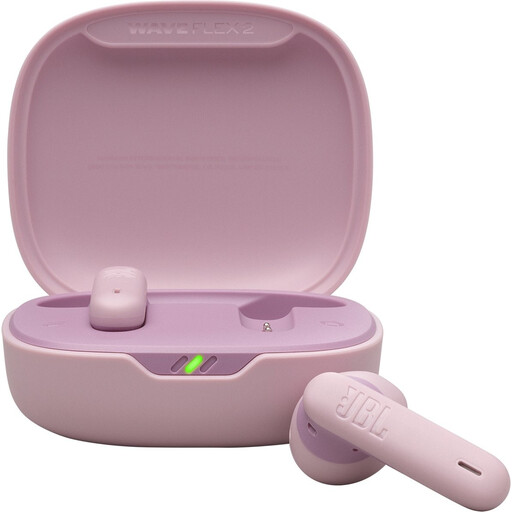
Why this fits the profile: An accessible model for music, podcasts and phone calls. Controls are on the earbuds themselves, and the JBL Headphones app offers extra settings.
The product information clearly states Bluetooth, a charging case, multipoint and IP54 for the earbuds. This makes the main usage limits easier to assess.
12mm dynamic drivers, multipoint and, according to the product description, up to 40 hours total playback time.
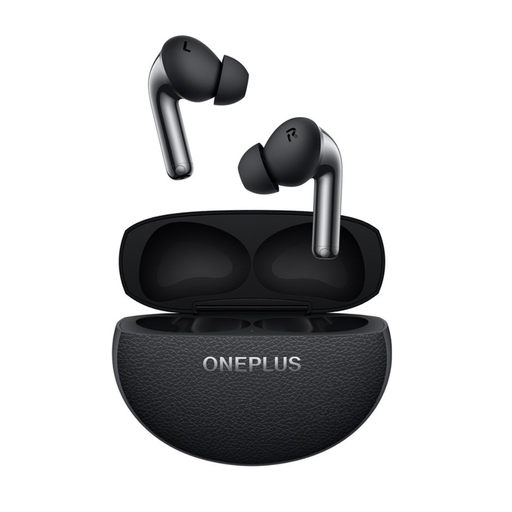
Why this fits the profile: For those who combine music, calls and multiple devices, and who value settings such as ANC, multipoint and codec support.
The specs distinguish between battery life with and without ANC. Bluetooth 5.4, AAC, SBC and LHDC 5.0 are also listed separately.
Dual drivers per earbud, three microphones plus VPU, multipoint and IP55 according to the product information.
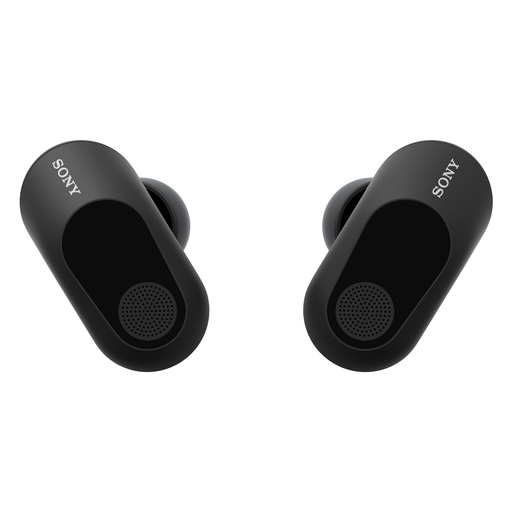
Why this fits the profile: Designed for gamers who need low latency, a gaming dongle, noise cancellation and a microphone for team communication.
The product description mentions a USB-C dongle alongside Bluetooth 5.3, with a stated latency of less than 30 ms. Do check compatibility with your platform beforehand.
Active noise cancellation, microphone, USB-C connection and, according to the product specs, up to 12 hours of battery life with the dongle.
We've put together a full, up-to-date list of products that fully meet these strict selection criteria and comply with current European safety regulations.
Generally yes, as long as the device supports Bluetooth audio. Basic functions such as playing music and making calls usually work on both platforms. Extra features, such as an app, firmware updates, a custom equaliser or Google Fast Pair, can vary depending on the operating system. So check the compatibility information before you buy.
The usage time per charge varies by model and settings. ANC, volume, phone calls and temperature all affect the battery. The lifespan of the built-in lithium battery decreases over time. Store the earbuds in the case, avoid heat and charge them with the supplied or compatible USB-C cable.
They can be, but pay attention to the number of microphones and the call technology described. For quiet environments, a simpler model may be sufficient. If you often make calls on the go, you're better off with multiple microphones and ambient noise reduction. Also read reviews and check whether the controls for answering and ending calls work with your phone.
