
Vandaag of morgen in huis

Kwaliteit gegarandeerd

Welkomstaanbiedingen ontgrendelen: GRATIS bezorging | Tot 80% korting | Gratis 30 dagen JoyPlus-proefperiode
Download de app
At first glance, picking a tub of whey protein powder seems straightforward. Yet many athletes end up paying for features they don’t need, or miss important details on the label. One protein shake is ideal for topping up your protein after a workout, while a weight gainer adds plenty of calories and carbohydrates instead.
The most common pitfalls:
Whey protein comes from milk and is often used in a protein shake after exercise or as a supplement between meals. A whey blend can consist of whey concentrate, whey isolate and hydrolysed whey.
Whey isolate typically contains a higher protein percentage and fewer carbohydrates and fats than many standard blends. Do check the full ingredients list though. A product might be 92% whey isolate, but also contain flavourings and sweeteners.
Casein protein is often chosen for its slower digestion and used between meals or before bed. This is still a dairy product and isn’t suitable for vegans.
If you want to avoid milk, look at vegan protein powder, such as a plant-based protein isolate. Check whether the product is actually labelled as vegan and watch out for possible cross-contamination with milk, soya, gluten or nuts.
Always compare the same unit. A serving can be 25g, 30g, 31g or 33g. A product with 24g of protein per serving isn’t directly comparable to one where the serving is 40g.
For a low-sugar protein powder, check the line “of which sugars”. For a low-fat protein powder, look at the total fat content, not just saturated fat. Optimum Nutrition Gold Standard Isolate, for example, states per 31g serving: 25g protein, less than 0.5g sugar and less than 0.5g fat, according to the product information supplied.
According to the permitted European health claim, protein contributes to the growth and maintenance of muscle mass. That doesn’t mean a shake on its own causes muscle growth. Training, overall nutrition, recovery and your individual protein needs remain the deciding factors.
A large tub isn’t automatically better value. Divide the price by the number of servings and then compare the grams of protein per serving. Also pay attention to the preparation method: some products require 180 to 250ml of water, while a clear protein drink may need around 600ml of water.
Always check as well:
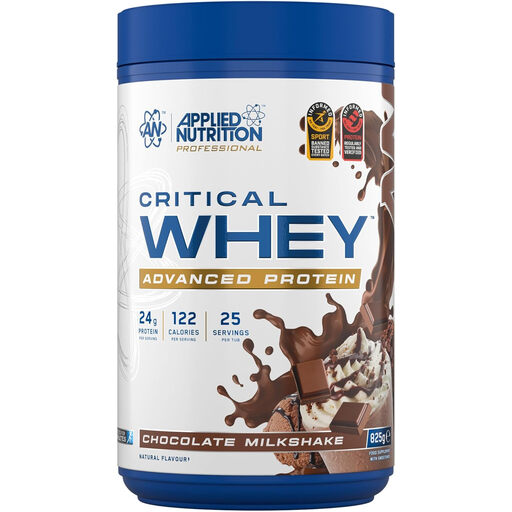
Why this fits the profile: An 825g tub is a manageable size for anyone trying protein powder for the first time. According to the product information, a serving of around 33g provides 23.6g of protein.
The nutritional values and serving size are clearly stated, so you don’t have to rely solely on the front of the tub.
Whey concentrate, whey isolate and hydrolysed whey; suitable for post-workout use or as a protein-rich snack.

Why this fits the profile: If you’re after a high protein concentration with low sugar and fat, this delivers 25g of protein per 31g serving, according to the product information.
The specifications list protein, carbohydrates, sugars and fat separately. This lets you check the “low sugar” claim in detail.
31 servings, whey isolate as the protein source and less than 0.5g sugar and fat per serving according to the product information.
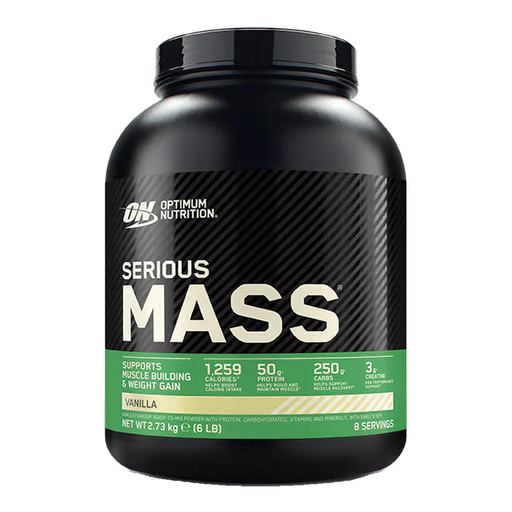
Why this fits the profile: This is a weight gainer for adults who want to add extra calories and carbohydrates deliberately, not for anyone simply after a light protein shake.
The high energy value is clearly stated: approximately 1,269 to 1,292 kcal and 250g of carbohydrates per serving.
50g of protein per serving; also contains whey concentrate, calcium caseinate and egg albumen.
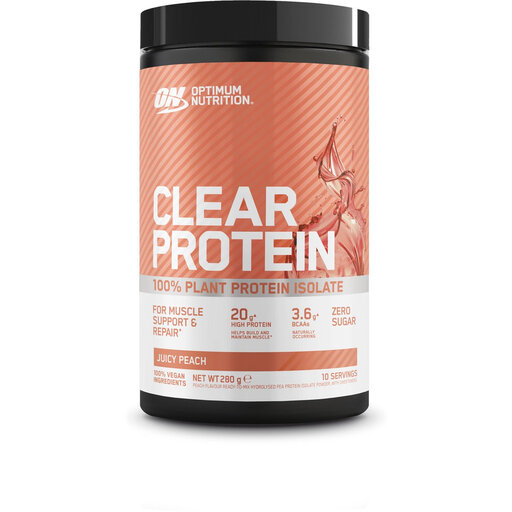
Why this fits the profile: The product information states a 100% plant-based isolate, 20g of protein per serving and a vegan label.
You don’t have to filter out whey and milk derivatives from the ingredients list afterwards; the product is described as plant-based and vegan.
20g of protein and 3.6g of naturally occurring BCAAs per serving; 10 servings of 28g.
We’ve put together a full, up-to-date list of products that fully meet these strict selection criteria and comply with current European safety regulations.
You can use a protein shake after your workout as a convenient way to add extra protein to your daily diet. The exact timing matters less than your overall eating pattern. Follow the serving size on the label and don’t use the powder as a replacement for a varied diet.
Whey isolate is a milk protein that typically provides a relatively high amount of protein and low sugar and fat per serving. Casein protein also comes from milk and is often chosen for use between meals or before bed. Check the allergens and nutritional values for both types.
No. A weight gainer contains plenty of carbohydrates and calories in addition to protein. That can suit someone who deliberately wants to increase their energy intake, but it’s less suitable if you only want to top up your protein intake. So compare your goal with the nutritional values per full serving first.
