
Vandaag of morgen in huis

Kwaliteit gegarandeerd

Welkomstaanbiedingen ontgrendelen: GRATIS bezorging | Tot 80% korting | Gratis 30 dagen JoyPlus-proefperiode
Download de app
Buying a tropical fruit drink might seem straightforward: pick a flavour, add a multipack to your basket and you’re done. Yet exotic fruit drinks vary widely in their composition, nutritional values and size. A mango drink, for example, could be mostly water, flavouring and sugar, while another variety contains 30% mango or fruit juice.
Terms like “no added sugar”, “with vitamin C” and “low calorie” also deserve a closer look. Always check the ingredients list and nutrition table on the packaging. Marketing claims don’t always tell the full story.
The name mango, lychee or passion fruit doesn’t automatically tell you how much fruit is actually in it. Some soft drinks rely mainly on flavourings. Other products state a specific percentage of juice, purée or concentrate.
Take Rubicon Classic Lychee Delu, for example. According to the product information, this drink contains 14% lychee purée. The ingredients list also includes sugar, stabilisers and flavourings. That’s quite different from a drink that’s mostly lychee juice.
A fruit drink with no added sugar can still contain natural sugars from fruit. Sweeteners may also be used. With Iam Superjuice Mango, the product description states 30% mango juice, no added sugar and 17 kcal per 100 ml. According to the description, the sweet taste comes partly from steviol glycosides.
So always compare per 100 ml, not just per can. A 330 ml pack contains more than three times the amount shown in the nutrition table per 100 ml.
A 12-pack might look appealing, but the size of each individual pack determines how much drink you’re actually buying. Twelve 330 ml cans give you 3.96 litres in total. A 1-litre bottle is more practical for serving several glasses at home, while small pouches or cans are handier for on the go.
Also pay attention to shelf life, storage and how much space you have in your cupboard. Once opened, many fruit drinks need to be kept in the fridge and used within the time stated on the packaging.
First, look at the order of the ingredients. Ingredients are usually listed from most to least. Then check whether the product contains:
With g’woon Zappie Tropical Juice, the product information provided lists water, a dairy ingredient and fruit juice from concentrate. The product details aren’t identical across all pack sizes. So always check the label on the specific variant you’re ordering.
For a fair comparison, look at energy, carbohydrates and sugars per 100 ml. Here are a few examples from the product information:
These values can vary by batch, market or pack size. Always use the product packaging as your definitive source.
A 330 ml fruit drink is a good portion for on the go or with lunch. A 1-litre pack is better suited to home use and serving several glasses. For families, portion packs like Capri-Sun Orange 10-Pack can be very practical. This pack contains 10 pouches of 200 ml.
If you’re looking for something special for a dinner party, check whether the drink contains alcohol. Safari Senza Exotic Fruit-Flavoured Drink is, according to the product information, a spirit-based drink with 14.9% alcohol. So this product doesn’t belong in your regular soft drinks stash or with children’s drinks.

Why this fits the profile: A 12-pack of 330 ml is easy to share, and the product description states 30% mango juice, no added sugar and 17 kcal per 100 ml.
The juice percentage and nutritional values are clearly stated, so you’re not relying on the mango flavour alone.
30% mango according to the product description; 12 × 330 ml; no added sugar according to the product information.
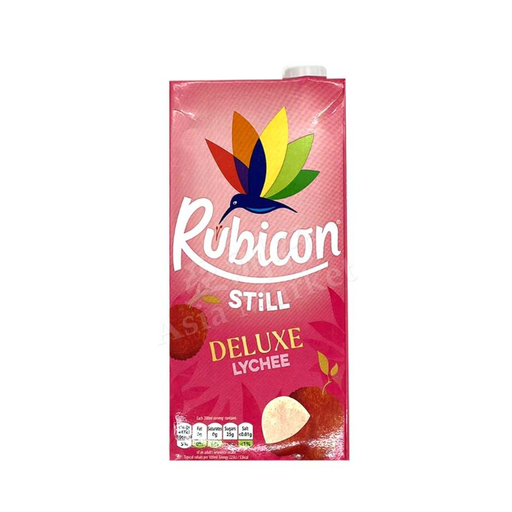
Why this fits the profile: This 1-litre lychee drink is ideal for serving at home and clearly states the proportion of lychee purée in the ingredients information.
The product information distinguishes between lychee purée, sugar and flavourings. This makes it easier to assess the composition.
14% lychee purée according to the product data; 1-litre pack; 53 kcal and 13 g sugar per 100 ml according to the stated nutrition table.

Why this fits the profile: The 12 cans are handy for regular use at home, in the office or with meals. The flavour is aimed at fans of a sweet-and-sour passion fruit drink.
The product states 30% natural passion fruit juice, 17 kcal per 100 ml and no added sugar according to the description provided.
30% passion fruit juice according to the product description; 12 × 330 ml; states vitamin C.
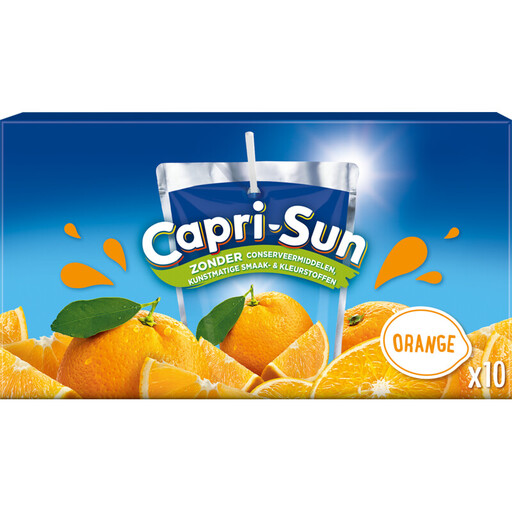
Why this fits the profile: The 200 ml portion pouches are easy to take on a day out, to sports practice or on a picnic.
The portion size means a large bottle won’t sit around after opening. The product information states no artificial colourings or preservatives.
10 × 200 ml; 19 kcal per 100 ml according to the product data; handy for use on the go.
We’ve put together a full, up-to-date list of products that fully meet these strict selection criteria and comply with current European safety regulations.
This is a drink where, according to the product information, no sugar has been added to the recipe. Natural fruit sugars may still be present, and sometimes sweeteners are used. So always check the ingredients and the number of grams of sugar per 100 ml.
A 330 ml can is suitable for a single serving and easy to take with you. A 1-litre bottle is often more convenient when several people want a glass at home. For days out, portion pouches like 200 ml are practical because you don’t need to reseal them.
Unopened drinks can usually be stored in a cool, dry place as directed. Once opened, many products need to be kept in the fridge and consumed within the time stated on the label. Always check the seal and don’t use a pack if the seal is damaged when you receive it.
