
Vandaag of morgen in huis

Kwaliteit gegarandeerd

Welkomstaanbiedingen ontgrendelen: GRATIS bezorging | Tot 80% korting | Gratis 30 dagen JoyPlus-proefperiode
Download de app
A new toothpaste might seem like a simple purchase, but the options vary considerably. Are you looking for protection against cavities, relief for sensitive teeth, a fresher feeling or a natural formula? If so, the name on the packaging alone won’t tell you enough. Products labelled “whitening”, “professional” or “natural” can contain different ingredients and come with different usage advice.
So the key question isn’t which toothpaste makes the biggest promises, but which formula suits your daily oral care routine.
For many products, “whitening” mainly means removing or polishing away surface stains. That’s different from changing the natural colour of your teeth. Check whether the description refers to surface stains, polishing ingredients or a specific formula.
Claims such as “24-hour protection” also depend on how you use the product. For example, Oral-B states that this protection applies when you brush twice a day, according to the product description. So don’t treat it as a guarantee for every usage scenario.
Fluoride toothpaste is often chosen for everyday protection against cavities. However, the fluoride content isn’t always clearly highlighted on the packaging. Product information for several options lists 1450 ppm fluoride, including Elmex Anti-Caries Professional, Sensodyne Clinical White and parodontax Strengthen & Protect Fresh Mint.
Fluoride-free toothpaste may suit your personal preference, but check why you’re choosing it first. If you’re at increased risk of cavities, it’s best to ask a dentist or dental hygienist for advice.
A multipack can lower the price per tube, but only if you like the formula and use it regularly. Check the size: 75 ml is a common format, while some offers include two, three or five tubes. For travel, a smaller pack is more convenient, such as the 15 ml Sensodyne Repair & Protect Cool Mint mini toothpaste.
For everyday protection against cavities, check the type of fluoride and the stated amount. According to the product information, Elmex Anti-Caries Professional 75 ml contains 1450 ppm fluoride in the form of sodium monofluorophosphate. Regular Colgate Caries Protection lists sodium fluoride, but the available description doesn’t state a ppm value. So always check the label on the pack you receive.
Toothpaste for cavities is no substitute for brushing properly. Use a small amount, brush as directed and swallow as little as possible.
When choosing toothpaste for sensitive teeth, look for ingredients such as potassium nitrate, Novamin or other ingredients that the manufacturer says are designed for sensitive tooth surfaces. Sensodyne Clinical White lists sodium fluoride and potassium nitrate. According to the product information, Sensodyne Repair & Protect Cool Mint contains Novamin and 1450 ppm fluoride.
Would you also like whiter teeth? Whitening toothpaste can help mainly with surface stains. According to the manufacturer, Sensodyne Clinical White has a whitening effect after eight weeks of brushing twice a day. This is a brand claim with specific usage conditions, not a general promise for every user.
If you’re sensitive to strong mint flavours or foaming formulas, it’s worth checking the ingredients list. A natural toothpaste doesn’t automatically contain fluoride, or suit every oral health need.
Weleda Plant Toothpaste and Weleda Calendula Toothpaste are described as natural toothpastes without fluoride or synthetic foaming agents. The Calendula version is also described as vegan and carries the NATRUE quality seal. These are product specifications from the product information; always check the current packaging when you buy.
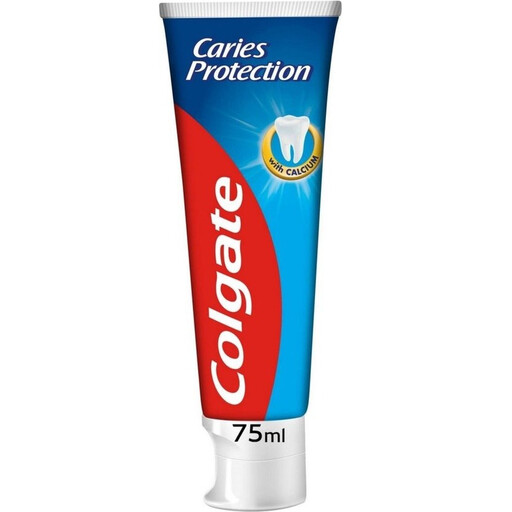
Why it suits this profile: A straightforward 75ml option for anyone looking for a simple fluoride toothpaste for everyday use, without an added focus on whitening or sensitivity.
The product information explicitly lists sodium fluoride and usage advice, so you don’t have to rely on a marketing name alone.
75 ml; fluoride formula; clear instructions to brush twice a day.
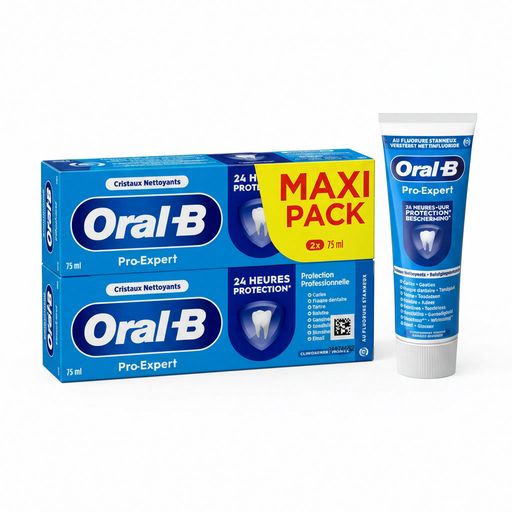
Why it suits this profile: Suitable for adults who want one formula to address several everyday concerns, such as plaque, cavities, gums and surface stains.
The eight areas of protection and the stannous fluoride complex are listed in the product description, so you can compare the claims with specific details.
2 x 75 ml; stannous fluoride complex; extra-fresh mint flavour according to the product information.
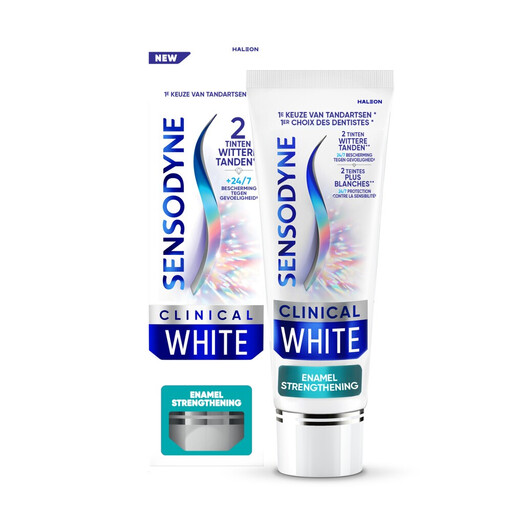
Why it suits this profile: A targeted option for adults who want to address sensitivity and surface stains as part of their daily routine.
According to the manufacturer, the whitening claim is linked to brushing twice a day for eight weeks. The packaging also lists 1450 ppm fluoride.
Everyday fluoride formula; fresh mint flavour; designed for sensitive teeth and surface stains.
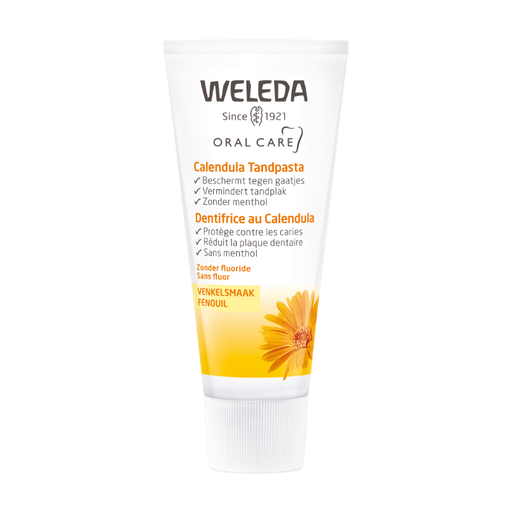
Why it suits this profile: An option for anyone specifically looking for vegan toothpaste with natural ingredients, without fluoride or synthetic foaming agents.
The choice is based on clearly stated features: fluoride-free, vegan, calendula and myrrh, plus the NATRUE quality seal.
75 ml; 100% natural ingredients according to the product description; no synthetic foaming agents.
We’ve put together a complete, up-to-date list of products that meet these strict selection criteria and applicable European safety regulations.
Many adults choose a fluoride toothpaste for their daily oral care, with advice to brush twice a day. Check the fluoride content, flavour and any personal concerns, such as sensitivity or gum problems. If symptoms persist, speak to a dentist or dental hygienist to help you choose.
A fluoride-free formula may suit someone who specifically wants to use natural toothpaste or avoid fluoride. Weleda Plant Toothpaste and Weleda Calendula Toothpaste, for example, are described as fluoride-free. If you’re prone to cavities, it’s best to discuss this choice with a dentist first.
It depends on how much you use each time you brush, how many people are using it and how often they brush. A 75 ml tube will generally last one person longer than a household. Check the expiry information and the period-after-opening symbol on the packaging too. A multipack is most practical when you know you’ll keep using the same formula.
